ViewsMax
Sign In Sign Up Free

Author: development@iclicksee.com

  • Youtube Calculate Views: How YouTube Counts Views (youtube calculate views)

    Youtube Calculate Views: How YouTube Counts Views (youtube calculate views)

    So, you've uploaded your masterpiece to YouTube and you're refreshing the page, watching that view counter. But what's actually happening behind the scenes? How does YouTube decide what counts as a legitimate "view"?

    It all boils down to one golden rule: a view is only officially counted when someone watches your video for at least 30 seconds. This isn't just an arbitrary number; it's the bedrock of YouTube's entire system for measuring viewership. It's the line in the sand that separates a real, intentional watch from a fleeting glance or an accidental click.

    What Actually Counts as a YouTube View

    Think of a YouTube view less like a simple click and more like a stamped passport. Before a view gets added to your official count, it has to pass through a digital security check to make sure it's from a real person who genuinely chose to watch.

    The platform is incredibly savvy at spotting and filtering out anything that looks like an attempt to artificially inflate numbers. It’s not just about hitting the 30-second mark; it’s about how those seconds are spent.

    Here’s what typically gets flagged and tossed out:

    • Bot Traffic: Automated scripts running on a server somewhere, programmed to watch your video over and over? YouTube’s system is designed to spot and ignore them.
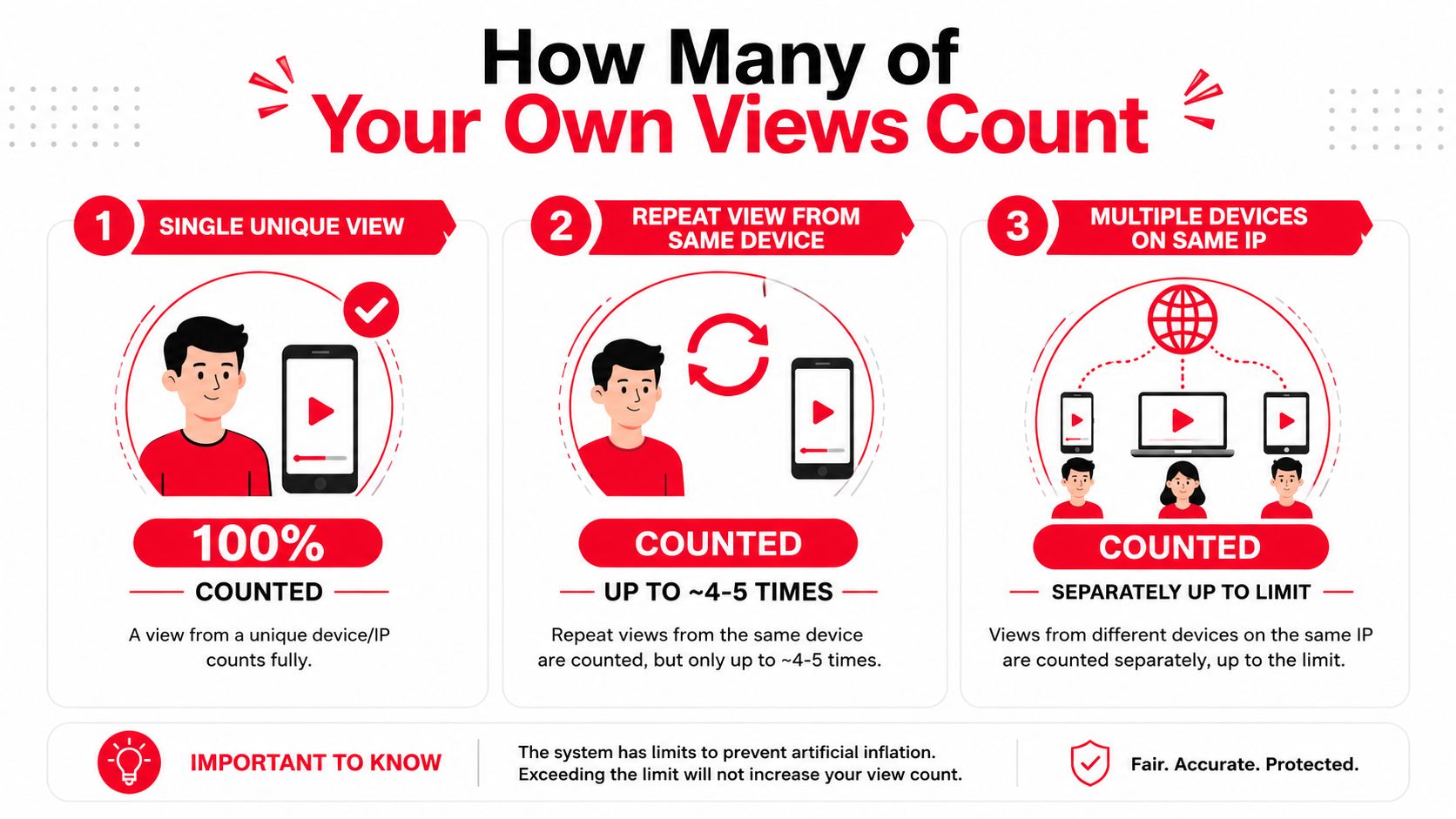
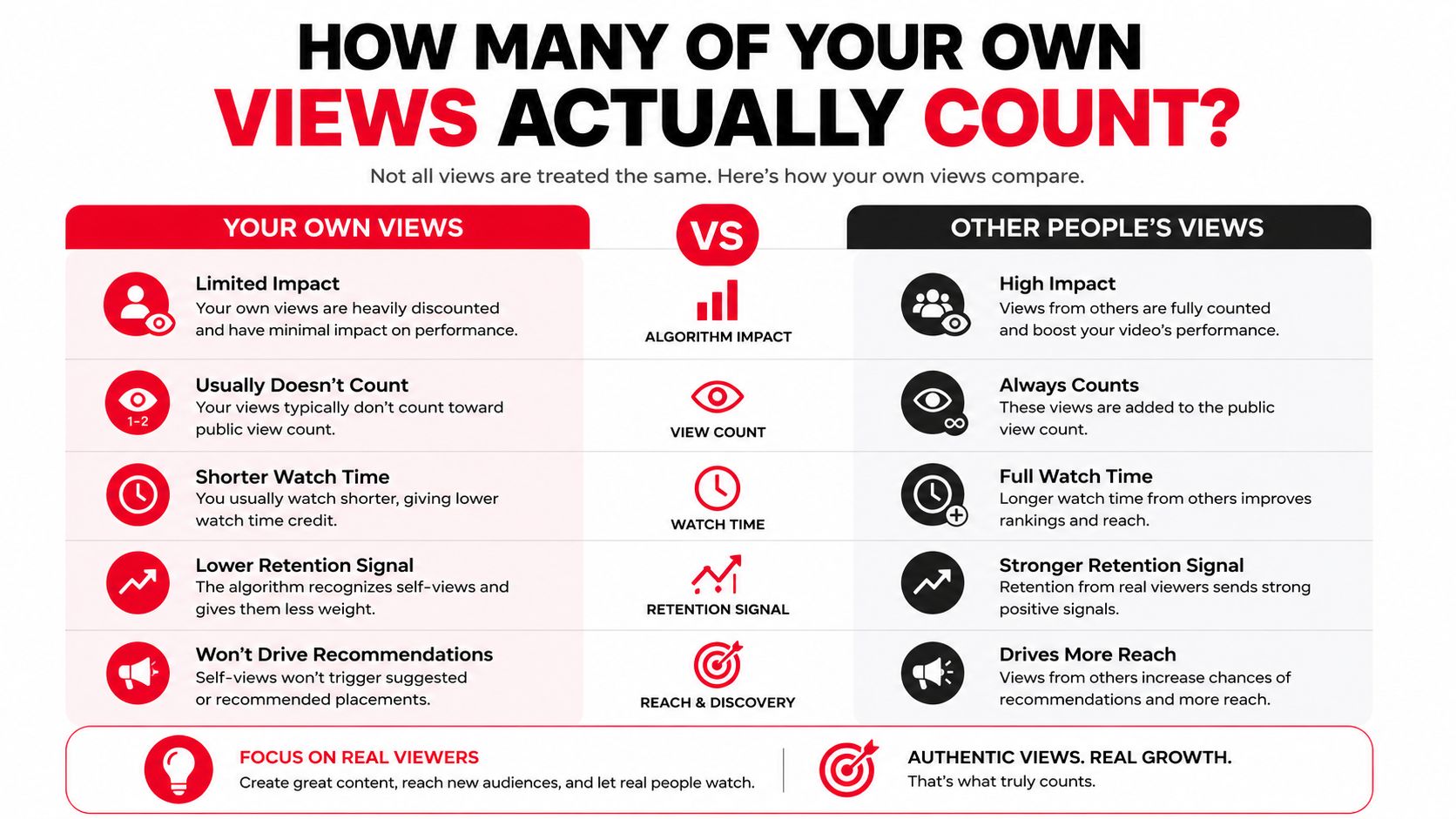
    • Your Own Views: Sure, watching your own video a couple of times to check it will likely count. But if you’re sitting there hitting the refresh button hoping to game the system, those views will quickly stop registering.
    • Accidental Plays: If your video is embedded on a website and set to autoplay, but someone just scrolls right past it without stopping, that’s not considered an intentional watch and won't be counted.

    What Qualifies as a Legitimate YouTube View

    To make this crystal clear, here’s a quick guide on what YouTube is looking for versus what it discounts. The goal is always to measure authentic audience interest.

    Viewer Action or Behavior Does It Count as a View? Why It Matters
    A user clicks on your video and watches for 32 seconds then leaves. Yes The viewer crossed the 30-second threshold, signaling clear intent to watch.
    A viewer watches the first 10 seconds, skips to the middle for 15 seconds, then leaves. No The total watch time was only 25 seconds, falling short of the required 30 seconds.
    A bot repeatedly loads and "watches" your video. No This is classic invalid traffic. YouTube's algorithm is built to detect and discard non-human activity.
    You embed your video on your blog and it autoplays as a user scrolls by. Usually No Unless the user actively stops to watch for 30+ seconds, it's seen as a passive impression, not an intentional view.
    Someone watches your 5-minute video all the way through. Yes, absolutely This is the gold standard of engagement and is always counted as a single, high-quality view.

    Ultimately, the system is designed to reward content that genuinely grabs and holds a viewer's attention right from the start.

    The Verification Delay Explained

    Have you ever noticed your view count seems stuck or even drops a little bit in the first day or two after you publish? That’s not a glitch—it’s the verification system at work.

    This is a deliberate feature. To fight manipulation, YouTube stopped counting views instantly and, back around 2012, switched to a more thorough verification window that can take 24-48 hours. You can read more about how YouTube's system has changed over time.

    This delay gives the algorithm time to audit all the incoming plays, sort the real from the fake, and ensure the number you see is a true reflection of your audience.

    The core idea is simple: YouTube prioritizes human-initiated, intentional playback. The system is built to measure genuine audience engagement, not just raw clicks. Understanding the 30-second rule and the verification process is the first step for any creator serious about real, sustainable growth.

    The Journey of a View: From Playback to Official Count

    Ever wonder what happens between a viewer hitting "play" and that number ticking up on your video's counter? It’s not as simple as you might think. Think of every view as having to pass through a digital security checkpoint before it gets its official stamp of approval.

    The moment someone starts watching your video, an internal timer kicks on. But YouTube's system is doing more than just counting to 30 seconds; it’s immediately analyzing who is watching. It's looking at things like the viewer's IP address, whether they're logged in, and their general viewing patterns to spot anything that looks fishy. This first line of defense is surprisingly good at weeding out obvious bot traffic or low-quality plays, like an embedded video on a website that autoplays but gets scrolled past instantly.

    The Initial Verification Phase

    This is where you might see something that freaks out a lot of new creators: the view counter suddenly freezes. Especially in the first few hours after you publish, the number might just stop moving. This isn't a bug—it's YouTube's system at work. The platform intentionally pauses the public counter to run a deeper check on the first wave of views.

    It’s like a bouncer at a popular club checking IDs at the door. The system is looking for and tossing out any views that seem automated, repetitive, or just plain fake.

    Key Takeaway: That temporary freeze in your view count is a totally normal part of YouTube's quality control. It’s how the platform makes sure the final number reflects real people watching, not just random clicks or bot activity.

    This simple but crucial journey is what separates a "play" from a verified "view."

    A diagram illustrates YouTube's view verification process: play video, watch for 30 seconds, then verified.

    As you can see, it’s a deliberate process. A view has to earn its place in your official count.

    From Audit to Official Count

    Once the system has audited the incoming views, the legitimate ones are finally added to your public total. This whole process can sometimes take up to 48 hours, which explains why the final 24-hour view count you see in YouTube Analytics might not match what you saw climbing in real-time right after you uploaded. A little patience is key here.

    So, when you try to youtube calculate views for your channel's performance, remember that every single one has gone through this pipeline:

    1. Playback Initiated: Someone clicks your video, and the clock starts.
    2. Initial Screening: The algorithm does a quick background check on the view's source.
    3. Verification Audit: The public counter often pauses as views are bundled and inspected for legitimacy.
    4. Official Count Update: The real, verified views are finally added to your video's total.

    Once you get your head around this validation process, you can stop stressing over those short-term freezes and focus on what really matters: making great content that earns real views that will always pass the test. It's this methodical system that keeps the playing field fair for everyone.

    Why Your View Count Is Frozen or Dropping

    It’s a feeling every creator knows and dreads. You upload a new video, the initial views start climbing, and then… nothing. The counter freezes. Or even worse, it goes down. This isn't a glitch in the matrix; it's actually YouTube’s system working exactly as intended.

    Whenever a video gets a big, sudden rush of traffic, YouTube deliberately freezes the public view count to run a thorough audit. It's a quality control check.

    Think of it like this: your video gets a shout-out from a massive creator, and suddenly thousands of people are clicking on it. This spike triggers an "audit mode." YouTube's system has to meticulously sort through every single play to make sure they're coming from real people, not bots or other shady sources. This can take anywhere from a few hours to a full day.

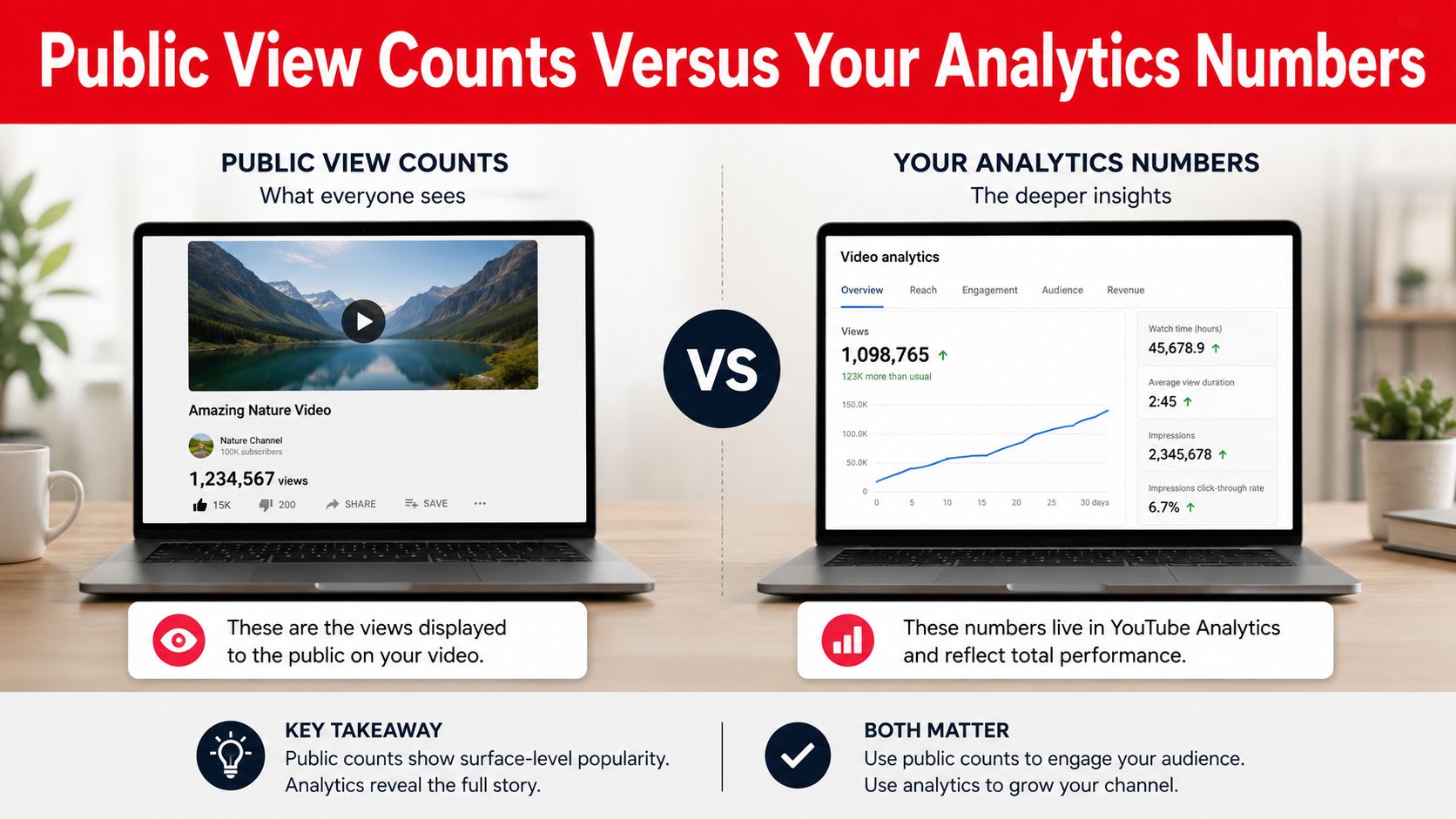
    While this is happening, you might notice a big difference between the frozen public number and what you see in your real-time analytics inside YouTube Studio. Don't panic! The Studio numbers are the raw, unfiltered data. The public count will catch up once the verification is complete. For the real story, always trust your Studio analytics.

    The Mystery of Disappearing Views

    Seeing your view count actually go down is even more jarring. But there's a simple explanation for that, too.

    If YouTube’s audit uncovers that some of those initial views came from invalid traffic—think automated scripts, endless replays, or viewers who bailed before the 30-second mark—it simply removes them. This correction is what causes the number to drop.

    This is most common when views come from questionable places. Buying views or using "growth services" almost always leads to a bunch of low-quality plays that YouTube’s algorithm is built to sniff out and throw away.

    Your view count isn't just a number; it's a verified measure of audience engagement. A drop in views is simply YouTube cleaning house, ensuring the final tally reflects genuine human interest in your content.

    Ad Blockers and View Count Fluctuations

    There's another, more surprising culprit that can mess with your view count: ad blockers.

    It turns out that some ad-blocking software can interfere with the analytics scripts YouTube uses to track views. This means a perfectly legitimate view from a real person might not get counted if they have an ad blocker running.

    If your audience is more on the tech-savvy side, they're probably more likely to use ad blockers, which can lead to a noticeable gap in your data. Some creators have reported seeing a 40-50% drop in counted views from desktop users, even while their revenue and engagement metrics like likes and comments hold steady. It's a clear sign that people are watching, but the system just can't always record it.

    So, how do you track your performance accurately without driving yourself crazy?

    • Focus on Trends: Don't get fixated on the real-time number, especially in the first 48 hours. Look at the bigger picture.
    • Trust YouTube Analytics: Your Studio dashboard is your source of truth. Rely on the detailed data it provides.
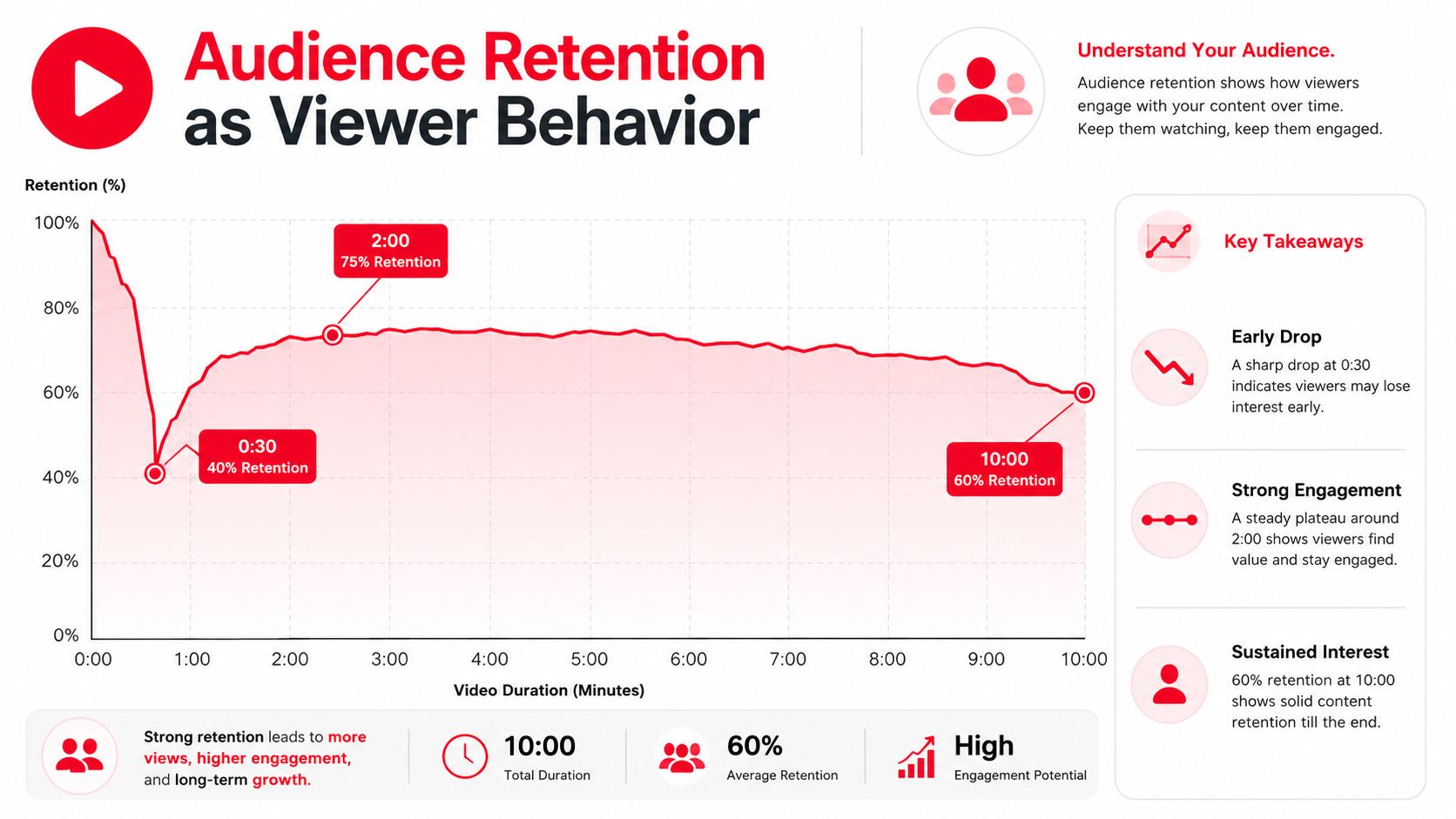
    • Analyze Engagement: Pay close attention to metrics like watch time, audience retention, likes, and comments. These often tell a much richer story about your video's success than the raw view count ever could.

    By understanding what's going on behind the scenes, you can stop stressing about the small, day-to-day fluctuations and keep your eyes on what really matters: creating great content and growing your channel.

    How to Calculate the Views Your Channel Needs to Grow

    Knowing how YouTube counts views is a good start, but the real magic happens when you use that knowledge to build a growth strategy. Instead of crossing your fingers and hoping for more views, you can set clear, data-driven targets for your biggest goals. Let's break down exactly how to figure out the number of views you need to hit your monetization, subscriber, and revenue targets.

    A desk with a calculator, notebook, and tablet, displaying watch hours for calculating views.

    The key to all of this lies in a metric you can find right in your YouTube Analytics: your channel’s average view duration (AVD). Think of it as the secret ingredient for turning vague ambitions into actionable view counts.

    Calculating Views for Monetization

    To get into the YouTube Partner Program, one of the biggest hurdles is hitting 4,000 public watch hours in the last 12 months. That number can feel huge, but a simple formula can bring it down to earth and tell you exactly how many views you need.

    Here’s the formula:
    (4,000 Watch Hours * 60 Minutes) / Your Average View Duration (in minutes) = Total Views Needed

    Let’s see how this plays out in a real-world scenario.

    Example A: The Gaming Channel
    Let's say your gaming channel has an average view duration of 8 minutes per video. Not bad!

    (4,000 * 60) / 8 = 30,000 Views

    That means you need to get 30,000 total views across all your videos within a year to hit the watch time requirement. Suddenly, that huge goal becomes a concrete target. If you want to dive deeper, you can learn more in our guide on what public watch hours are on YouTube.

    Calculating Views for Subscriber Milestones

    Now, there isn't a perfect formula that turns views into subscribers—it's not quite that simple. But what you can do is figure out your channel's typical view-to-subscriber rate to get a solid estimate. Just hop into your analytics for the last 90 days to find it.

    This is the formula to use:
    (New Subscribers in Period / Total Views in Period) * 100 = View-to-Subscriber Rate (%)

    Once you have that percentage, you can project the views needed to reach your next big subscriber goal.

    Example B: The DIY Channel
    Your DIY channel gained 500 new subscribers from 50,000 views over the last 90 days.

    (500 / 50,000) * 100 = 1% View-to-Subscriber Rate

    If your next goal is to hit 1,000 new subscribers, you can estimate needing around 100,000 more views to get there, assuming your content quality and conversion rate stay consistent. This helps you set much more realistic goals for your channel's growth.

    Estimating Potential Ad Revenue

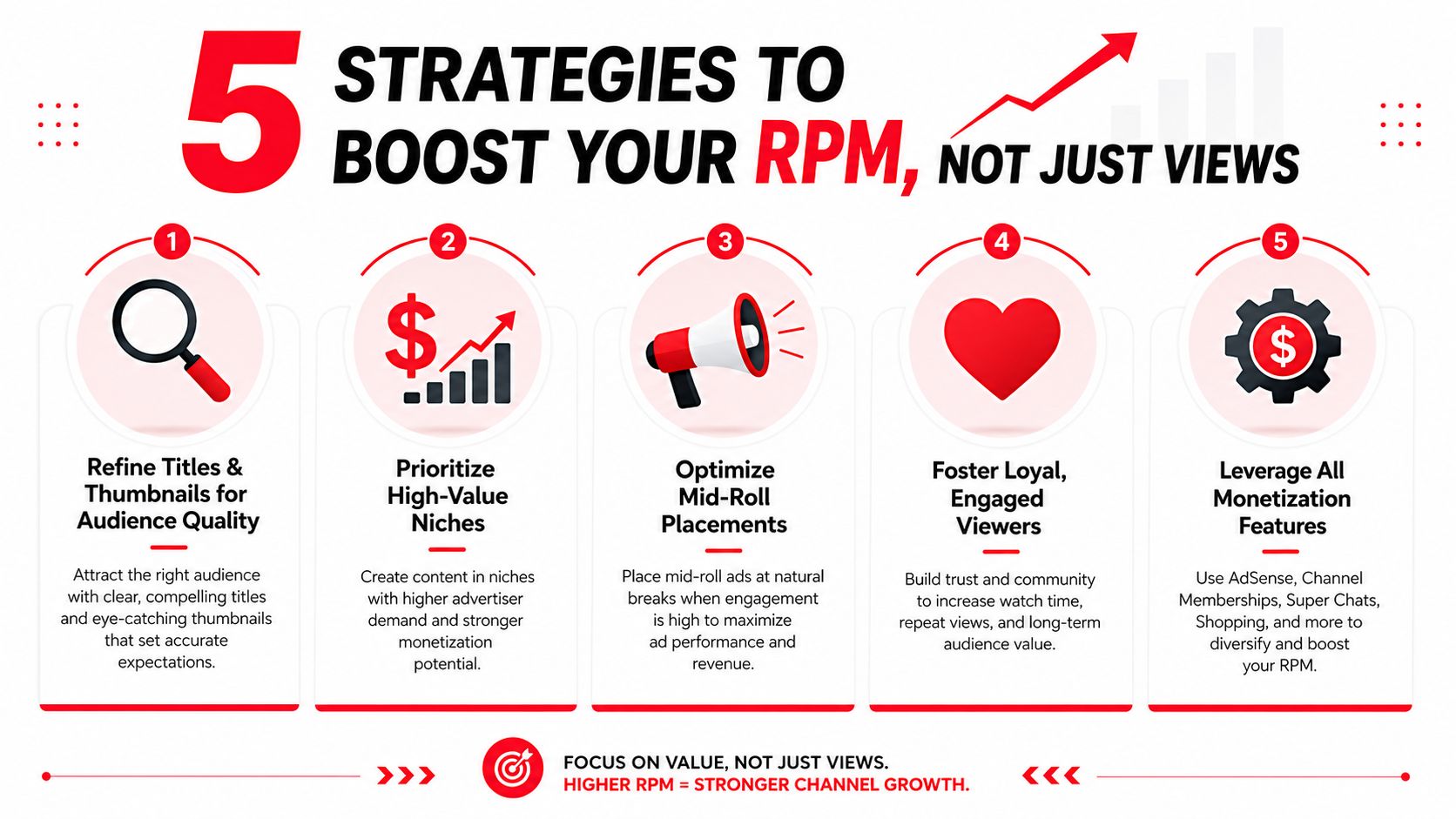
    Projecting revenue is a bit more complex because it hinges on your RPM (Revenue Per Mille), which is simply how much you earn for every 1,000 views. Your RPM can swing pretty wildly depending on your niche, where your audience is from, and even the topics of your videos.

    Here’s a basic formula to get a ballpark figure:
    (Target Monthly Revenue / Your Average RPM) * 1,000 = Views Needed per Month

    This calculation gives you a much clearer picture of the scale you need to reach to turn your channel into a reliable source of income. By using these simple formulas, you can move from guessing to strategizing and create a clear roadmap for your channel's success.

    Strategies to Increase Your Legitimate Views

    Knowing how YouTube counts views is one thing, but actually earning more of them is the real challenge. Forget about secret hacks or trying to game the system. Growing your channel comes down to creating content that feeds the YouTube algorithm exactly what it wants: real, authentic viewer engagement.

    This means you need to get laser-focused on two key metrics that dictate how many legitimate views you get and how far YouTube pushes your videos. These are your Click-Through Rate (CTR) and Average View Duration (AVD). When you nail these two, you're sending a powerful signal to YouTube that your content is worth watching, which leads to more impressions and real, sustainable growth.

    A man uses a tablet, with an alarm clock and 'INCREASE REAL VIEWS' banner on a wooden desk.

    Optimize Your Thumbnails and Titles for Clicks

    Think of your thumbnail and title as your video's digital storefront. It doesn't matter if you've created a masterpiece inside; if the outside is boring, nobody is coming in. A high CTR is your proof to YouTube that your video's "packaging" is successfully grabbing people's attention.

    • Spark Curiosity: Your title should act like a hook, asking a question or making a promise that your video directly answers. You want to create intrigue without resorting to cheap clickbait.
    • Design for a Glance: Thumbnails have to pop. They need to be clean, high-contrast, and instantly understandable, even as a tiny image on a phone screen. Bold text and expressive faces work wonders.
    • Test and Learn: Keep a close eye on your CTR in YouTube Analytics. If a video isn't getting clicks, step back and ask yourself if the title and thumbnail truly sold the concept to your audience.

    For a little help crafting titles that grab attention, you can even explore how to use AI title generators to get more views.

    Master the First 30 Seconds to Boost Watch Time

    Remember how a view only counts after 30 seconds? That first half-minute is everything. If you can't convince someone to stick around past that point, you not only lose the view but also tell the algorithm your video isn't engaging. Your number one job is to hook them—and hook them fast.

    Your video's introduction isn’t just a greeting; it’s a retention tool. A strong hook confirms the viewer made the right choice by clicking and gives them a compelling reason to keep watching.

    Kick things off with a bold claim, a thought-provoking question, or even a quick sneak peek of the best part of the video. You have to immediately reassure viewers that you're going to deliver on the promise your title and thumbnail made. A higher AVD is the ultimate proof that your content delivers, which is what encourages YouTube to recommend it to a wider audience.

    Mastering these core principles creates a powerful feedback loop of more clicks and longer watch times. For more deep-dive strategies, check out our guide on https://blog.viewsmax.com/how-to-improve-click-through-rate/.

    Common Questions About How YouTube Calculates Views

    Let's cut through the noise and tackle some of the most common questions and myths about how YouTube actually counts its views. Think of this as your quick-reference guide to understanding your analytics like a pro.

    Do My Own Views Count On My Videos?

    The short answer is yes, but only a tiny bit. When you first upload a video, watching it yourself once or twice will probably add to the initial view count. But don't get any ideas about hitting the refresh button all day.

    YouTube’s system is smart enough to know the difference between a creator checking their upload and genuine audience interest. If you keep replaying your own video, the algorithm will quickly flag that activity as unnatural and stop counting those plays. It's always a better use of your time to focus on what your real audience is doing.

    How Long Does It Take For Views To Update?

    You've probably noticed that the public view count on your video page doesn't always match what you see in your analytics. That's completely normal. The real-time stats in your YouTube Studio are almost instant, but the official number everyone else sees has to go through a verification process.

    This verification is why you sometimes see the public view count "freeze" for a few hours, or even up to 48 hours, especially on new videos or ones that are taking off quickly. It's just YouTube's way of weeding out bots and bad traffic to make sure the final number is legit.

    So, if your numbers seem stuck, just give it some time. Your YouTube Studio is always the best place to get the most up-to-the-minute picture of how your video is performing.

    Do Embedded Video Views Count?

    They sure do. A view is a view, whether it happens on the YouTube platform itself or on your personal website. As long as someone intentionally clicks play and watches for at least 30 seconds, it gets added to your total.

    There is one small caveat, though. If you have a video embedded to autoplay and a visitor just scrolls right past it, that likely won't count. The system is looking for intentional plays. Driving traffic from your blog or other websites is a great growth strategy, and you can be confident those legitimate views will count.

    Why Is My Watch Time High But My View Count Is Low?

    This is actually a great problem to have. It usually means you've built a smaller, but super-engaged, audience that absolutely loves your longer videos. This is a powerful signal to the YouTube algorithm that people find your content valuable.

    Think about it this way: if 100 die-hard fans watch your entire 30-minute documentary, you've just racked up 50 hours of watch time from only 100 views. That deep engagement can be far more beneficial for your channel's health than a viral clip that gets millions of people to watch for only 10 seconds. For creators looking to scale up, a practical guide to going viral on YouTube can offer some great strategies for boosting those view numbers without sacrificing engagement.

    Getting a handle on these details helps you focus on what really matters. If you want to dig even deeper into your channel's performance, our complete guide to YouTube view stats breaks it all down even further.


    Ready to turn insights into growth? ViewsMax is an AI-powered toolkit designed to help you create smarter, optimize faster, and grow your YouTube channel with confidence. Stop guessing and start making data-driven decisions that lead to more views, subscribers, and revenue. Explore our tools and resources today at https://blog.viewsmax.com.

  • How Do You Become a YouTube Partner and Start Earning

    How Do You Become a YouTube Partner and Start Earning

    So, you’re ready to turn your passion into a profession and join the YouTube Partner Program (YPP). Fantastic. Getting there is a huge milestone for any creator, but it's not just about flipping a switch. It’s about proving your channel has an engaged audience and is a valuable part of the YouTube community.

    This is more than just a way to earn money—it's your gateway to powerful creator tools and a validation of all the hard work you've put in. Let's walk through exactly what you need to do to get there.

    A person works on a laptop at a desk with cameras, a notebook, and a "YPP Entry Guide" poster.

    Hitting the Magic Numbers: YPP Eligibility

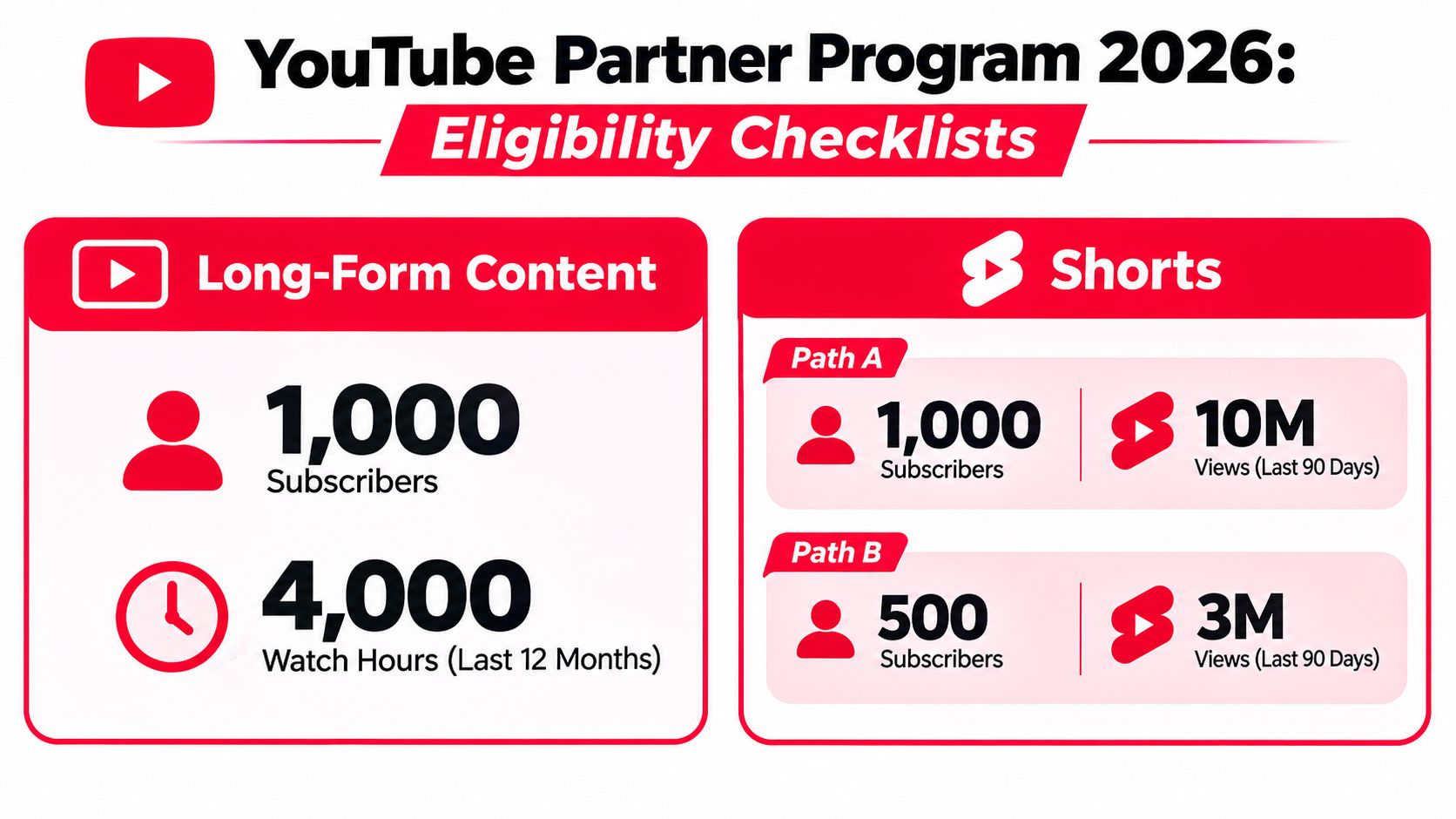
    First things first, you have to hit the entry requirements. YouTube has set up two main pathways to prove your channel is active and pulling in an audience. You don't need to meet both; just one will do.

    This flexibility is great because it lets you lean into the format that works best for your content, whether that's long-form deep dives or quick, viral Shorts.

    Your Two Paths to YouTube Partner Program Eligibility

    The table below breaks down the two distinct routes you can take to qualify.

    Qualification Path Subscriber Requirement Viewing Metric Requirement Timeframe Best For
    Traditional Long-Form 1,000 subscribers 4,000 public watch hours Past 12 months Channels focused on detailed tutorials, vlogs, documentaries, and in-depth content.
    YouTube Shorts 1,000 subscribers 10 million public Shorts views Past 90 days Channels creating short, fast-paced, and potentially viral content like skits or quick tips.

    Choosing which path to focus on really comes down to your content strategy. If you're all about detailed storytelling, the watch-hour route is your game. If you thrive on creating snappy, high-energy clips, then aiming for those Shorts views makes more sense.

    Beyond the Metrics: The Other Essentials

    Hitting your numbers is just one part of the equation. YouTube's review team is made up of real people, and they're looking for more than just stats. They want to see a channel that adds value and plays by the rules.

    This means your channel must also:

    • Follow all YouTube Channel Monetization Policies. This is non-negotiable.
    • Have no active Community Guideline strikes. A clean record is essential.
    • Live in a country where the YPP is available.
    • Have a linked AdSense account. This is how you’ll actually get paid.

    Getting into the YouTube Partner Program isn't the finish line; it's the starting gate. Meeting the thresholds is your first step toward building a sustainable career as a creator, unlocking tools that go way beyond simple ad revenue.

    Growing a channel to this point requires a serious content engine. If you're struggling to keep up, figuring out how to scale content creation is a game-changer. It's not just about making more videos; it’s about building a sustainable workflow that doesn't lead to burnout.

    Getting to Grips with the YouTube Partner Program Requirements

    Hitting those big subscriber and watch time numbers is the first mountain to climb, but the real key to getting accepted is understanding the fine print. The metrics you see on your YouTube Studio dashboard have some specific rules, and knowing exactly what counts—and what doesn't—is absolutely crucial for your strategy.

    Let's unpack what YouTube is really looking for.

    A hand uses a stylus on a tablet displaying YouTube partner program requirements, like subscribers and watch hours.

    It's interesting to see who makes up the creator economy. Most partners fall into the 25-34 year old age bracket, with millennials and Gen Z powering a massive chunk of YouTube's 2.7 billion monthly active users. The beginning can feel like a grind—about 60% of new channels make less than $100 in their first 90 days—but with the right approach, those numbers can change fast.

    It’s All About Public Watch Hours and Views

    When YouTube says you need 4,000 public watch hours, the most important word in that whole sentence is "public." This metric is laser-focused and only counts the time people spend watching videos you’ve set to public.

    Here’s a quick rundown of what gets left out of the total:

    • Private Videos: Any watch time from these is off the table.
    • Unlisted Videos: Nope, these don't count either.
    • Deleted Videos: If you delete a video, all its watch time history vanishes from your YPP total. Poof.
    • Ad Campaigns: Views you paid for through Google Ads don't count toward your eligibility.

    Essentially, your growth has to be organic. The hours must come from real viewers who found your content and chose to watch it. It’s the ultimate test of audience engagement. To really dig into the specifics, check out our guide on what are public watch hours on YouTube.

    For creators going all-in on Shorts, the goal is 10 million public Shorts views in 90 days. This is a totally different ballgame. One viral Short can rack up millions of views almost overnight, but the short 90-day window means you need to be consistently pumping out bangers. You can't rely on one great video to carry you for months like you can with long-form content.

    The Foundational Rules: More Than Just Numbers

    Hitting your metrics is only half the job. To truly understand how do you become a youtube partner, you have to nail the foundational rules. These are the non-negotiables that show YouTube you're a serious creator ready for a business partnership.

    Before you even think about clicking that apply button, make sure these four things are sorted:

    • No Active Community Guideline Strikes: Your channel has to have a clean slate. A strike is a big deal, and if you have an active one, your application is a non-starter.
    • 2-Step Verification Enabled: This is a mandatory security setting for your Google Account. YouTube needs to know your channel is secure from hackers.
    • A Linked AdSense Account: This is how you get paid. You need an active AdSense account properly linked to your channel. Heads up: you're only allowed one AdSense account per person, so if you made one years ago and forgot about it, you’ll need to track it down.
    • Live in an Eligible Country: The YPP isn’t available everywhere. You have to be a resident of a country where the program is officially supported.

    Think of these rules less like a checklist and more like the bedrock of your partnership with YouTube. A clean, secure, and compliant channel is precisely what the human review team wants to see.

    Keeping an Eye on Your Progress

    The good news is that YouTube doesn't make you guess. The "Earn" tab in your YouTube Studio is your command center for everything related to monetization.

    In there, you’ll find simple progress bars showing you exactly how close you are to the subscriber and watch time (or Shorts views) goals. It takes all the guesswork out of the process and updates regularly. Honestly, it’s super motivating to watch those bars fill up. I’d recommend checking it once a week to keep yourself focused and on track.

    Preparing Your Channel for the Human Review

    So, you’ve hit the magic numbers for subscribers and watch time. That’s a huge accomplishment, but it's only half the battle. Think of those metrics as your ticket to the show; now you have to impress the person checking tickets at the door. And in this case, that person is a real human reviewer at YouTube.

    Before you even think about clicking that “Apply” button, it’s time for a serious self-audit. You need to look at your channel not as its creator, but through the critical eyes of a YouTube employee whose job is to protect the platform's integrity. They aren't just checking boxes; they're digging deep to see if your channel genuinely aligns with the YouTube Monetization Policies, Community Guidelines, and AdSense rules.

    What the YouTube Review Team Actually Cares About

    Forget the idea that they just glance at your sub count and click approve. The review is far more comprehensive than that. A real person is trying to answer one core question: "Does this channel bring original, valuable content to the YouTube ecosystem?"

    To figure that out, they focus on a few key areas:

    • Main Theme: What’s your channel’s identity? Is there a clear, consistent niche or topic?
    • Most-Viewed Videos: Your biggest hits tell them what your audience loves and what your channel is truly known for.
    • Newest Videos: This shows them where your content is headed right now.
    • Biggest Proportion of Watch Time: They want to know which videos are really keeping people on the platform. This is a massive indicator of value.
    • Video Metadata: This is a big one. Your titles, thumbnails, and descriptions must honestly represent what's in the video, not just trick people into clicking.

    Basically, it's a quality control check. They're looking for authenticity and originality to ensure advertisers can feel good about their brand appearing next to your content.

    Your Pre-Flight Checklist: An Honest Self-Audit

    Getting rejected means you’re locked out from reapplying for at least 30 days, which can feel like an eternity. To avoid that frustrating setback, you need to be your own harshest critic. Go through your channel and ask the tough questions.

    Here are the red flags that get channels rejected all the time. Find them and fix them before you apply:

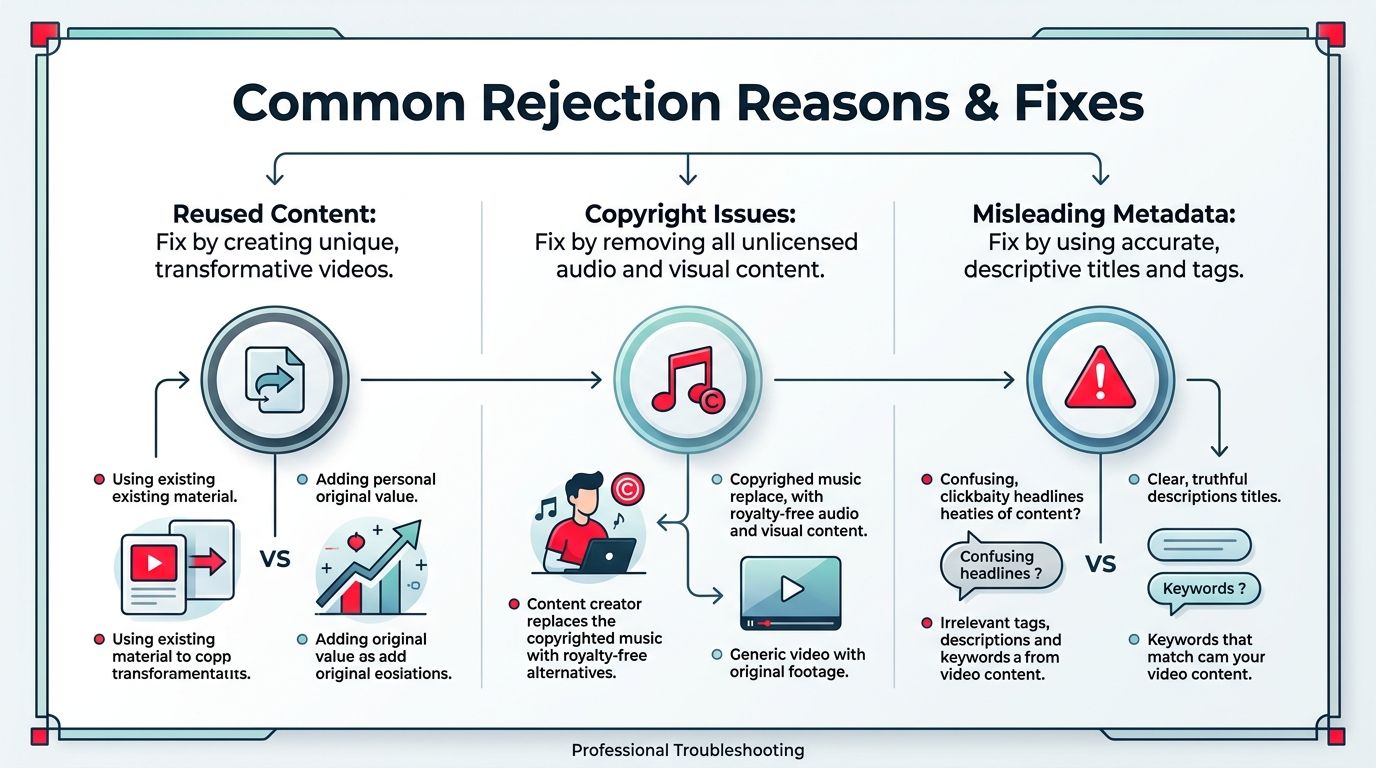
    • Reused Content: Are you just grabbing clips from other people, movies, or TV shows and re-uploading them? Unless you add significant original commentary, educational value, or a creative spin, this is the #1 reason for rejection.
    • Repetitive Content: Do you have a bunch of videos that are almost identical, with only tiny variations? Each video needs to stand on its own and offer something new to the viewer.
    • Misleading Thumbnails or Metadata: Does your thumbnail promise an epic explosion that never happens in the video? That's classic clickbait, and YouTube hates it.
    • Keyword Stuffing: Jamming dozens of irrelevant keywords into your video descriptions and tags is a dead-end tactic. It’s seen as spammy and will get you denied.

    The golden rule here is "transformative value." A reaction video where you're constantly pausing to offer sharp, funny, or insightful commentary is transformative. A lazy compilation of "funny twitch clips" with some background music is not.

    As you're getting your channel ready, think about adding value in other ways, too. A simple but effective strategy is to add subtitles to your YouTube videos. It makes your content more accessible, which can lead to longer watch times—a signal reviewers love to see.

    Real-World Examples of Rejection (and How to Avoid Them)

    Let's make this tangible. Imagine a gaming channel that just uploads raw, unedited footage of a video game. No commentary, no face cam, nothing. That channel is at high risk for a "Reused Content" rejection because, from YouTube's perspective, the creator didn't add anything. The value comes from the game, not the channel.

    Now, what if that same creator adds a voiceover explaining their strategy, cracks jokes, and edits the video to show only the most exciting moments? Suddenly, they've created something new and original. That's the kind of transformation that gets a channel approved.

    Another classic pitfall is the "relaxation" or "motivation" niche. A channel that simply pairs stock video of a rainy window with some royalty-free piano music is a prime candidate for rejection. There's zero originality. To pass the review, you'd need to add original guided meditations, write and record your own affirmations, or create unique visual art to accompany the audio.

    Your mission is to make the reviewer's decision incredibly easy. Clean house. Delete or unlist any video that feels borderline. Make sure your titles and thumbnails are honest. Present a channel that is so clearly valuable and original that they can’t help but say "yes."

    How to Actually Apply to the YouTube Partner Program

    So, you've hit the subscriber and watch time milestones. Congratulations! That's a huge achievement. Now for the final hurdle: actually submitting your application. This part can feel a little intimidating, but it’s all handled right inside your YouTube Studio.

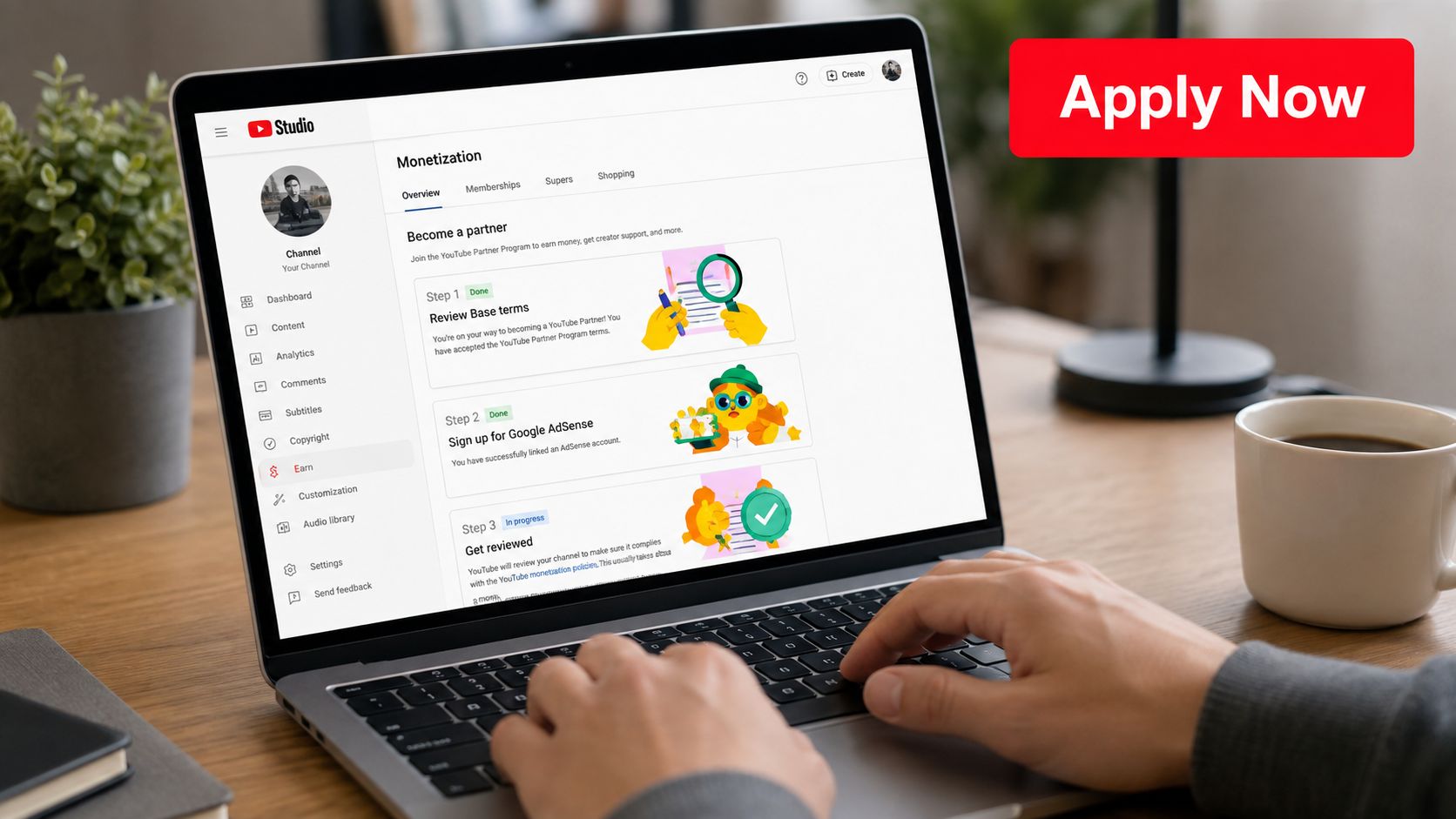
    Head over to the Earn tab—the same place you’ve been obsessively tracking your progress. That "Apply Now" button that seemed so far away should now be ready and waiting for you. Clicking it officially kicks off the process.

    Step 1: Agreeing to the Partner Program Terms

    The first thing you'll do is review the Base Terms for the YouTube Partner Program. This is the official contract, and it lays out everything from how you get paid to the rules you need to follow.

    It's tempting to just scroll to the bottom and hit "accept," but I highly recommend taking a few minutes to read through the key sections. Knowing your responsibilities upfront will save you headaches down the road. Once you agree, YouTube Studio will mark this step as complete. Easy enough.

    Step 2: Setting Up Your Google AdSense Account

    This is where creators often get tripped up, so pay close attention. To get paid, you need to link a Google AdSense account to your channel. This is the system that handles all the ad revenue and sends it your way.

    You’ll see two choices:

    • Connect an existing AdSense account you already own.
    • Create a brand new AdSense account if you don't have one.

    Here’s the critical part: Google only allows one AdSense account per person, for life. If you made an account for a blog back in 2010 and forgot about it, trying to create a new one now will get your application rejected. Before you do anything, search your old email inboxes for "AdSense" to see if an account already exists.

    Trust me, sorting this out before you apply will prevent a major delay. If you need a more detailed breakdown, our guide on how to enable YouTube monetization walks through every common AdSense issue.

    After you successfully link or create your AdSense, you'll be sent right back to YouTube Studio. The second step will show as "Done," and your channel is officially in the review queue.

    This flowchart from YouTube neatly sums up the path your channel takes from your own internal audit to the final application.

    A flowchart illustrating the Channel Review Process with steps: Audit, Comply, Apply, and related metrics.

    As you can see, the application itself is the very last piece of the puzzle after you've done the hard work of making sure your channel is compliant.

    Step 3: The Waiting Game

    Once you've submitted everything, your work is done for now. The application status will switch to "In Progress," which means your channel is in the hands of YouTube's human review team.

    And now, we wait. YouTube says the review takes "about a month," but this can be all over the place. Some creators I know were approved in under 48 hours. Others have waited over six weeks, especially when YouTube is swamped with applications.

    There's no secret trick to speed this up. The best thing you can do is get back to what you do best: creating great videos. Keep the momentum going. When the decision is made, you’ll get that magic email and a notification in YouTube Studio.

    What to Do After You Get Approved for Monetization

    That email from YouTube—the one that says "Congratulations, you've been accepted into the YouTube Partner Program"—is a huge deal. Seriously, take a moment and let it sink in. You’ve just conquered one of the biggest milestones for any creator.

    But once the initial excitement fades, the real work of building a sustainable income begins. Getting approved is the starting line, not the finish. It’s time to start flipping the switches on the features that actually get you paid.

    A man smiling at the camera, working on a laptop with 'MONETIZE NOW' text overlay.

    First Things First: Turn on the Ads

    Your first stop inside YouTube Studio should be activating video ads. This is the bedrock of most creators' earnings, so you’ll want to get this set up right away.

    The good news is you can do this in bulk for your entire back catalog of videos, which is a massive time-saver. From now on, turning on monetization will just be another part of your standard upload routine.

    You'll see a few different ad formats, and it helps to know what they are:

    • Skippable in-stream ads: The most common type, which viewers can skip after five seconds.
    • Non-skippable in-stream ads: These are shorter ads (15-20 seconds max) that viewers must watch before your video continues.
    • Bumper ads: Quick, 6-second non-skippable ads. Great for brand awareness.
    • Overlay ads: Simple banner ads that pop up at the bottom of the video player on desktop.

    For any videos you have that are longer than eight minutes, you also unlock mid-roll ads. YouTube’s system can place these for you automatically, but I always recommend manually placing them yourself. Find a natural pause or a transition in your video—it makes for a much better viewer experience than an ad jarringly cutting you off mid-sentence.

    Going Beyond Ad Revenue

    Relying solely on ad revenue is a risky game. It can fluctuate wildly based on the season, your video topics, and advertiser demand. Luckily, the YPP is about much more than just ads. It unlocks a whole suite of tools designed to create multiple income streams, many of which are powered by your most dedicated fans.

    Tapping into these is a core part of learning how do you become a youtube partner who can actually make a living from your content.

    Here are the other key monetization features you now have access to:

    • Channel Memberships: This is your own subscription program. Viewers pay a monthly fee for exclusive perks you create, like custom badges, unique emojis, or members-only videos. It's fantastic for channels with a tight-knit community.
    • Supers (Super Chat, Super Stickers, Super Thanks): During live streams, fans can buy Super Chats to make their messages stand out. Super Thanks acts like a tip jar on your regular uploads, allowing viewers to show their appreciation on any video at any time.
    • Merchandise Shelf: Got merch? You can connect your store (from a platform like Spring) and showcase your products right below your videos. It’s a seamless way to turn viewers into customers.

    Your YouTube Monetization Toolkit at a Glance

    With YPP approval, you've unlocked a powerful set of tools to generate income. Think of them as different instruments in an orchestra—each plays a unique role, but they sound best when used together. This table breaks down the core features at your disposal.

    Monetization Feature How It Works Best For Channels That…
    Video Advertising YouTube places ads on your videos, and you earn a share of the revenue. All monetized channels. It’s the foundational income stream.
    Channel Memberships Viewers pay a recurring monthly fee for exclusive perks and content. Have a strong, loyal community and can offer consistent value.
    Supers (Chat, Stickers, Thanks) Fans can purchase "tips" to highlight messages or show appreciation. Are active with live streams or have a highly engaged audience.
    Merchandise Shelf You can link an official store to display and sell your products. Have a distinct brand identity and an audience that wants to show support.
    YouTube Premium Revenue You get a portion of a subscriber's fee when they watch your content. All monetized channels. This is a passive, automatic benefit.

    By layering these options, you're not just earning—you're building a more resilient and diversified creator business.


    How Much Can You Actually Earn?

    Once you’re in the program, YouTube gives you a solid revenue split. You get 55% of the ad revenue from your long-form videos and 45% from ads shown in the Shorts feed.

    While the payout for a single ad view is tiny, it adds up fast. Your RPM (revenue per mille, or your earnings per 1,000 views) can vary dramatically, from $0.50 to over $10 depending on your niche, audience demographics, and video length. To get a better handle on these numbers, our guide on what is monetization on YouTube breaks it down even further.

    Don't forget about YouTube Premium revenue, either. This is a great passive income stream. When a Premium subscriber (who doesn't see ads) watches your videos, you get a slice of their subscription fee. It’s all calculated based on watch time, and you don’t have to lift a finger—it's an automatic perk of being in the YPP.

    By combining these tools, you move beyond just chasing viral views. You start building a real business with a direct connection to an audience that wants to support you in all kinds of ways.

    What to Do If You Get Rejected (and How to Get Approved Next Time)

    Getting that rejection email from YouTube stings. It's easy to feel defeated, but don't let it get you down. Think of it less as a hard "no" and more of a "not quite yet." It's basically a free audit from YouTube telling you exactly what needs to be fixed.

    The most common reasons for rejection—Reused Content and Repetitive Content—are often misunderstood but are absolutely fixable. The first thing you need to do is stop, take a breath, and actually read the reason they gave you in the email and inside your YouTube Studio. Don't just glance at it; this is your treasure map for getting approved the next time around.

    Understanding Why They Said No

    Reused Content is probably the number one reason I see channels get denied. This doesn't mean you can never use clips from other sources. What it really means is that you're not adding enough of your own spin to it. Your video has to add significant original commentary, educational value, or a new perspective to transform the original material.

    For example, a channel that just stitches together a bunch of "funny cat videos" from other creators will almost certainly be rejected. But, if a creator takes those same clips and adds their own hilarious voice-over commentary, edits them into a new narrative, or provides a detailed analysis of feline behavior, they're creating something new. That's the transformation YouTube's human reviewers are looking for.

    The key question to ask yourself is: Am I just re-posting content, or am I creating something fresh from it? Your personality, your analysis, your humor—that needs to be the star of the show.

    Repetitive Content is a bit different. This usually flags channels that seem to be churning out low-effort, templated videos. Think of channels that have hundreds of videos with a text-to-speech voice reading a script over generic stock footage. Even if the content is technically original, every video looks and feels so similar that it offers very little unique value to a viewer.

    Your 30-Day Game Plan for Reapplying

    After being rejected, you have to wait 30 days before you can reapply. This isn't a penalty—it's your window of opportunity to clean house and strengthen your channel.

    Here’s what you should do during that month:

    • Audit and Prune: Go through your videos, starting with your most popular ones. Be honest with yourself. If a video clearly falls into the category YouTube flagged, either unlist it or just delete it. It might hurt to remove a high-performing video, but it’s better than getting rejected again.
    • Clean Up Your Metadata: Look at your titles, descriptions, and thumbnails. Are they accurate? Or are they a little clickbaity or stuffed with keywords? Make sure everything honestly represents what's in the video.
    • Create New, High-Quality Videos: This is the most important step. The review team will pay close attention to what you've uploaded recently. Use these 30 days to create content that is a perfect example of what your channel is all about—content that is undeniably compliant and original.

    When your 30 days are up, you should be able to look at your channel and see a real difference. By taking this proactive approach, you're showing the review team that you're a serious creator who respects the platform's guidelines, which makes a successful second application much more likely.

    Common Questions About the YouTube Partner Program

    Getting into the YouTube Partner Program is a huge milestone, but the journey there can feel a bit confusing. Let's clear up a few of the questions I hear most often from creators.

    How Long Does It Take to Get 4,000 Watch Hours?

    This is the million-dollar question, and honestly, there's no magic number. It all comes down to your content and consistency. I've seen channels that post multiple high-engagement, 10-minute videos every week hit that 4,000-hour mark in as little as 6 to 8 months.

    On the flip side, a creator who uploads shorter videos less frequently might be looking at a year or more. The real drivers are your ability to hook viewers early and keep them watching, which in turn gets your videos pushed by the YouTube algorithm.

    Can I Lose Monetization if My Channel Dips Below the Thresholds?

    You can breathe a sigh of relief on this one. No, you won't get kicked out of the YPP if your subscriber count or watch hours happen to drop below the entry requirements after you've been accepted. Once you're in, you're in.

    However, there is a catch. YouTube can and will turn off monetization for channels that go completely dormant. If you haven't uploaded a video or made a Community post in six months or more, you're at risk of being demonetized for inactivity.

    The bottom line is this: while your spot in the program is safe from metric dips, you have to stay active to keep the ad revenue flowing.

    Can I Be a YouTube Partner Without Showing My Face?

    Absolutely. Plenty of massive, fully monetized channels are built without the creator ever showing their face. Think about animated story channels, gaming walkthroughs with voice-over commentary, or documentary-style content.

    The human review team is looking for originality and value, not your physical presence. As long as you're creating something unique and transformative that adheres to all of YouTube's content policies, you're just as eligible as any vlogger.


    Hitting those initial thresholds is often the steepest part of the climb. Tools like ViewsMax can give you a serious leg up by helping you craft better titles and descriptions to attract more viewers. The faster you gain traction, the quicker you'll get those subscribers and watch hours needed for the YPP.

  • Mastering Your YouTube View Stats A Creator’s Guide

    Mastering Your YouTube View Stats A Creator’s Guide

    Welcome to your no-nonsense guide to understanding YouTube view stats. If you've ever stared at your YouTube Analytics dashboard and felt like you were trying to read a foreign language, you're not alone. This guide is your translator, designed to turn those confusing numbers into your single most powerful tool for growing a successful channel.

    From Views to Victory: Decoding Your Channel’s Performance

    A desk with a desktop monitor showing YouTube videos and a laptop displaying a graph with a 'VIEWS TO VICTORY' banner.

    Ever wonder why one of your videos takes off like a rocket while another one just… sits there? The answer is always buried in the metrics. We're going to dig into the core numbers that truly define your channel's health, looking far beyond the simple view count to see what actually keeps people watching and coming back for more.

    You won't just learn what each number is; you'll learn the story it tells about your content and your audience. We'll break down how YouTube actually counts a view, show you exactly where to find this crucial data, and most importantly, teach you how to use it to make smarter videos.

    The Core Metrics at a Glance

    Before we dive deep, let's start with a quick overview of the essential YouTube stats every creator needs to know. Understanding these five pillars is the first step to mastering your analytics and building a content strategy that works.

    Metric What It Measures Why It's Important For Growth
    Views The number of legitimate, intentional plays a video receives. A basic measure of reach, but it's just the tip of the iceberg.
    Watch Time The total accumulated minutes viewers have spent watching your video. A critical signal to YouTube's algorithm that your content is engaging and valuable.
    Impressions How many times your video's thumbnail was shown to viewers on YouTube. Represents your video's potential reach and visibility across the platform.
    Click-Through Rate (CTR) The percentage of impressions that turned into a view. Shows how effective your title and thumbnail are at grabbing attention.
    Unique Viewers The estimated number of individual people who watched your videos. Helps you understand the actual size of your audience versus repeat viewers.

    Think of these as your channel's vital signs. Each one tells you something different, and when you look at them together, you get a complete picture of your channel's health and potential.

    Your Massive Potential Audience

    It’s easy to forget just how enormous YouTube really is. To give you some perspective, the platform's active user base is projected to hit 2.54 billion by July 2025. That’s nearly half of all internet users on the entire planet.

    This audience is spread across the globe, with massive concentrations in countries like India and the United States. You can read more about the platform's global reach to get a better sense of this scale.

    That staggering number is exactly why mastering your view stats is non-negotiable. You aren't just uploading videos; you're competing for attention in a global arena. Your data is what gives you an edge.

    Key Takeaway: Your analytics are the voice of your audience. Learning to listen is how you create content that truly connects, keeps people engaged, and builds a loyal community that lasts.

    By the time you finish this guide, you’ll be ready to turn that raw data into a real strategy. Let's get started.

    So, What Actually Counts as a View?

    The "view" is the most basic metric on YouTube, but what does it really mean? It's not as simple as someone just clicking on your video. To really get a handle on your analytics, you need to first understand what YouTube considers a legitimate view—and what it throws out.

    Think of it like a bouncer at a club. Just because there's a line outside doesn't mean everyone gets in. The bouncer is there to filter out the trouble and only let legitimate guests through. YouTube's view-counting system does the same thing, making sure every view it counts comes from a real person who actually wants to watch.

    The Famous 30-Second Rule

    You've probably heard of the "30-second rule," and it's the core of how YouTube counts views. For a view to be logged on your video, someone has to watch it for at least 30 seconds. This is YouTube's way of gauging a viewer's intent. A 30-second watch shows they didn't just click by accident; they made a real decision to stick around.

    But what about videos shorter than 30 seconds? In that case, a view is counted if someone watches nearly the entire video. This way, short, snappy content still gets credit for the engagement it generates. This time-based filter is the first and most important step in separating a real view from a fleeting click.

    This isn't just a technicality. It's how the algorithm learns what people genuinely find interesting. A click is momentary, but a 30-second watch tells YouTube that your thumbnail and title delivered on their promise, creating a good experience that's worth recommending to others.

    Intent is Everything

    Beyond the stopwatch, YouTube's system is built to measure intentional plays. This means a real human has to be the one who hits the play button.

    YouTube’s primary goal is to count views from real people, not bots. The system is constantly being refined to filter out low-quality or artificial plays, keeping the platform fair for creators, advertisers, and viewers.

    To make this happen, YouTube has some pretty sophisticated ways of spotting and tossing out what it calls "invalid traffic." This is a catch-all for any interaction that isn't a genuine, human-initiated view.

    Here’s what gets filtered out:

    • Automated Plays: Any view coming from a bot, script, or shady software designed to pump up numbers gets the boot.
    • Your Own Views: Sorry, but hitting refresh on your own video page over and over won't work. YouTube is smart enough to know it's you and won't count those plays.
    • Embedded Autoplays: If you embed a video on a website and it starts playing automatically, that view often won't count unless the user actually interacts with the player (like unmuting or clicking to expand).

    What This Means for Your Analytics

    This tough filtering process is exactly why you might notice your view count jump around or even drop in the first 48 hours after you publish a video. That's just YouTube auditing the initial wave of traffic, carefully separating the real views from the noise.

    Knowing this is super important. It means the final view count you see in YouTube Analytics isn't just a raw tally of clicks. It's a validated number that represents real people who intentionally chose to watch your work. With that in mind, you can trust the data and start diving into the more complex metrics with confidence.

    The Metrics That Matter Most for Channel Growth

    Let's be real: chasing a high view count is vanity. While it feels good to see a big number, the smartest creators know that the YouTube algorithm looks for much deeper signals of viewer satisfaction. These are the metrics that actually tell the story of your channel's health and pave the way for real, sustainable growth.

    Think of it this way: a single view is like someone knocking on your door. That's a great start, but what you really want is for them to come inside, kick off their shoes, and stay for a while. The stats that measure that kind of behavior are the ones that truly move the needle.

    So, let's break down the numbers that separate a fleeting click from a dedicated fan. The diagram below shows how a simple click evolves into a validated YouTube view, which requires a viewer's action, genuine intent, and a minimum time commitment.

    A diagram explaining 'what is a view,' showing relationships between click, view, intent, and time duration.

    This process makes it clear that a view isn't just a passive number—it's an active measure of someone's initial commitment to your content.

    Watch Time: The Undisputed King

    If you obsess over just one metric, make it Watch Time. This is the total, cumulative time people have spent watching your videos. To the algorithm, a high Watch Time is the ultimate signal that your content is valuable and is keeping people on the platform.

    Just look at this simple comparison. Imagine two videos, both with 10,000 views:

    • Video A is 2 minutes long, and people watch for 30 seconds on average. Total Watch Time: 5,000 minutes.
    • Video B is 10 minutes long, and people watch for 5 minutes on average. Total Watch Time: 50,000 minutes.

    Despite having the same number of views, Video B is ten times more powerful in the eyes of YouTube. It did a much better job of holding attention, which is exactly what YouTube wants. Consistently high Watch Time is your golden ticket to getting recommended in Browse and Suggested videos. If you're looking to dive deeper, you can check out our guide on boosting your YouTube watch hours.

    Average View Duration: Your Content's Holding Power

    While Watch Time is the grand total, Average View Duration (AVD) tells you how long the typical viewer sticks around. It’s a simple calculation: total Watch Time divided by the total number of views.

    Think of AVD as your content's report card. A high AVD means your video is successfully gripping viewers, while a low AVD is a clear sign that people are bouncing early. This could be because your intro is too slow, the content doesn't deliver on the title's promise, or the pacing just feels off. Keeping a close eye on your AVD helps you pinpoint exactly where you’re losing people so you can make better videos next time.

    A high Average View Duration is direct feedback from your audience saying, "Yes, this is what I wanted to see." It's one of the strongest indicators of content quality and viewer satisfaction.

    Impressions and Click-Through Rate: Winning the First Click

    Before anyone can rack up Watch Time, they first have to see your video and decide to click on it. This is where Impressions and Click-Through Rate (CTR) come in.

    • Impressions: This is simply the number of times your video's thumbnail was shown to a potential viewer on YouTube.
    • Click-Through Rate (CTR): This is the percentage of those impressions that actually turned into a click (and a view).

    Your thumbnail and title are basically a billboard on the YouTube highway. Impressions are how many cars drive past it, and your CTR is the percentage of those cars that pull over to check you out. A low CTR means your "billboard" isn't compelling enough, no matter how amazing the content is behind that click. These two metrics are a team; you can't get views without impressions, and you can't capitalize on those impressions without a strong CTR.

    Putting It All Together: What the Data Is Telling You

    These metrics don't live in isolation. They all work together to paint a complete picture of your video's performance, and understanding how they influence each other is where the magic happens.

    For instance, a high CTR paired with a low Average View Duration is a classic red flag. This tells you that your thumbnail and title made a promise that the video didn't keep. People were intrigued enough to click, but they left almost immediately because the content wasn't what they expected. This is the hallmark of "clickbait," a practice that can seriously hurt your channel's reputation with the algorithm over time.

    To help you connect the dots, here’s a look at some common scenarios and what they might be telling you.

    Interpreting Metric Combinations

    Understanding how metrics influence each other is key. This table shows common scenarios and what they likely mean for your video's performance.

    Scenario What It Likely Means Recommended Action to Take
    High CTR, High AVD You've hit the jackpot! Your topic, title, and thumbnail perfectly align with compelling content. Double down on this format and topic. Analyze what made it successful and replicate it.
    High CTR, Low AVD Classic clickbait problem. Your packaging is great, but the content doesn't deliver on its promise. Revise your titles and thumbnails to be more honest, or improve your video's intro to hook viewers faster.
    Low CTR, High AVD Your content is fantastic, but nobody's clicking to find out. Your thumbnail and title aren't doing their job. A/B test new thumbnails and titles. Make them more intriguing, clear, and relevant to your target audience.
    Low CTR, Low AVD The video is underperforming across the board. The topic may not be interesting, or the execution is weak. Re-evaluate your content strategy. Research what's working for others in your niche and find a new angle.

    By learning to read these combinations, you can stop guessing and start making data-informed decisions to improve every video you publish.

    Finally, remember to benchmark your performance against others in your niche. While the average YouTube video gets around 5,594 views, this varies wildly. Entertainment channels can pull in nearly 10,000 views per video, while gaming channels might see closer to 3,000. Knowing the baseline for your category helps you set realistic goals. Tools like ViewsMax are designed to help you analyze these benchmarks and refine your content strategy to meet and exceed them.

    How to Navigate YouTube Analytics Like a Pro

    Knowing your metrics is one thing, but knowing where to find them and how to make sense of the data is where the magic happens. At first glance, YouTube Studio can feel a bit overwhelming, but it's not a scary spreadsheet—it's your channel's command center. Once you get the hang of it, you'll see it as your most powerful tool for growth.

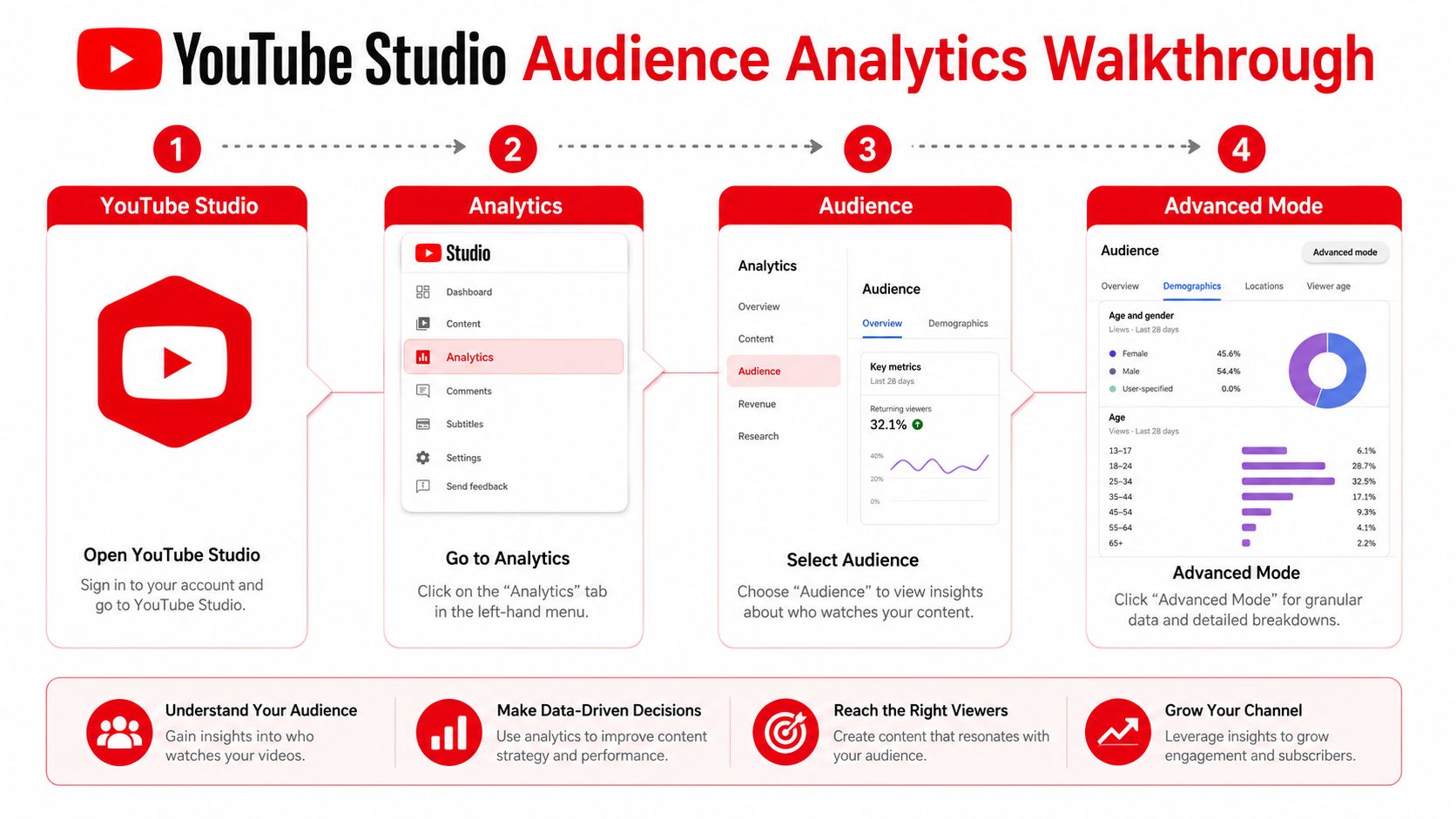
    Your starting point is always YouTube Studio. Just hop onto your dashboard and click "Analytics" in the menu on the left. This is your gateway to understanding exactly how your channel is performing. You’ll land on the Overview tab, which gives you a great high-level summary of your key youtube view stats.

    Here's a look at what you can expect to see on a typical channel analytics overview.

    A person interacts with a laptop displaying a vibrant analytics dashboard with charts and graphs.

    This snapshot shows your views, watch time, and subscriber changes, making it easy to spot big trends without having to dig around for them.

    Exploring the Core Analytics Tabs

    You'll spend most of your time moving between four key tabs: Reach, Engagement, Audience, and Revenue. Each tab tells a unique part of your channel’s story.

    • Reach Tab: This is all about how people find your videos. It's home to your Impressions, Click-Through Rate (CTR), and, crucially, your Traffic Sources.
    • Engagement Tab: Here's where you find out what happens after someone clicks. This tab holds your Watch Time and Average View Duration.
    • Audience Tab: This is where you get to know who is watching. It gives you the details on your Unique Viewers, returning viewers, and audience demographics, including when they're online most often.

    Think of it this way: Reach is your marketing team getting people in the door. Engagement is your product team making sure they have a great experience. And Audience is your research team figuring out who your customers really are.

    Using Filters to Uncover Insights

    The real power of YouTube Analytics comes alive when you start playing with filters. The default view shows data for the last 28 days, but that's just the beginning.

    In the top-right corner, you can click the date range to change the time frame. You can zoom in on the last 7 days to check recent performance, look at the last 90 days for a bigger-picture review, or set a custom range to see how things have gone since you changed up your content strategy. Comparing periods—like this month versus last month—is a fantastic way to see if your hard work is paying off.

    Pro Tip: Don't get stuck only looking at your channel as a whole. Go to the "Content" tab and click on an individual video to see its specific analytics. This is where you'll figure out exactly what makes a video a hit or a miss.

    Mastering Advanced Mode

    Ready to go deeper? Clicking on "Advanced Mode" unlocks a whole new level of analysis. It lets you compare different metrics side-by-side, add secondary data points, and build custom reports.

    For example, you could compare the Average View Duration for all the videos you published last month to see which topics really kept viewers hooked. Or, you could break down the Traffic Sources for your top-performing videos to learn if they're being found through YouTube search or suggested videos.

    When you know where your best viewers are coming from, you can start making more content that plays to those strengths. If you want to take it a step further and see how your interaction stacks up, you can use a YouTube engagement rate calculator to benchmark your performance.

    Getting comfortable with these tools helps you go from just looking at your youtube view stats to actively using them to build a content plan that truly works.

    Turning Your Insights Into a Winning Content Strategy

    All this data is useless if you don't act on it. Understanding your YouTube view stats is the first step, sure, but real growth happens when you start turning those numbers into a smarter content plan. This is the moment you shift from just watching your analytics to actually using them as a creative compass.

    Think of your analytics dashboard less like a report card on your past work and more like a roadmap showing you exactly where to go next. Every metric is a breadcrumb your audience left behind, pointing you toward the stuff they genuinely want to watch.

    High Impressions but Low Clicks: A First-Impression Problem

    One of the most common headaches for creators is seeing a ton of impressions but a disappointingly low Click-Through Rate (CTR). This means YouTube is putting your video in front of plenty of people, but hardly anyone is biting. You've got the reach, but you're missing that crucial initial hook.

    This isn't necessarily a problem with the video itself—it's a packaging problem. Your thumbnail and title are your video's billboard on the digital highway. If cars are just driving by, you need to change the sign, not rebuild the entire store.

    Here's how to figure out why your packaging isn't earning that click:

    • Is the Thumbnail Clear? Can someone get the main idea of your video in two seconds just by glancing at the thumbnail? Ditch the clutter, use big text, and show expressive faces or compelling imagery.
    • Does the Title Spark Curiosity? A great title makes a promise or asks a question that the viewer feels they need to have answered. Generic titles get lost in the noise.
    • Do They Work Together? Your thumbnail and title should be a one-two punch. They need to complement each other, not just repeat the same information. Together, they should tell a tiny story that makes clicking irresistible.

    Systematically testing and tweaking your titles and thumbnails is the most direct way to fix a low CTR. For a much deeper dive, check out our guide on how to improve click-through-rate for some really practical techniques.

    High Clicks but a Sharp Drop-Off: The Content Mismatch

    So what if you have the opposite problem? A fantastic CTR, but your Average View Duration is in the gutter. People are clicking like crazy, but they're bailing almost immediately. This is a classic sign of a mismatch between what you promised and what you delivered.

    This "bait-and-switch" can seriously poison your channel over time. It signals to the YouTube algorithm that your videos create a bad viewer experience, which can get your content suppressed in recommendations down the line. The fix? Make sure your video keeps the promise your title and thumbnail made, right from the very start.

    Your first 15 seconds are everything. You have to immediately confirm to the viewer that they made the right choice by clicking, delivering on the hook you promised them.

    Go back and watch the first 30 seconds of your videos with low watch time. Do you waste time on a long, fancy intro? Do you ramble before getting to the point? Cut the fluff. Get straight to the value and you'll stop that initial viewer exodus. And remember, interpreting the numbers is just one part of the equation; you also need to apply those insights, like figuring out the best time to upload YouTube videos to catch your audience when they're most likely to be online.

    Thriving in a Crowded Ecosystem

    Making smart, data-driven decisions is more important today than ever before. YouTube is unbelievably crowded. By the end of 2025, the platform was home to an estimated 29 billion videos. Much of that explosive growth is fueled by Shorts, which now make up over 90% of all new uploads.

    In this hyper-competitive world, the top 1% of videos command an incredible 91% of all viewing time. That leaves the other 99% of us fighting for the remaining 9% of attention.

    These numbers paint a pretty clear picture: you can't just get lucky anymore. Success demands a strategic approach where your YouTube view stats inform every single decision. This is where tools like ViewsMax come in, helping you make sense of the noise with data-backed suggestions for titles, tags, and descriptions. It's about creating a powerful feedback loop where analytics directly fuel your creative process, turning your dashboard into a command center for real channel growth.

    Time to Put Your Data to Work

    We've covered a lot of ground, from what a "view" actually means to the deeper metrics that drive real channel growth. If there's one thing you take away from all this, let it be this: your YouTube view stats are your audience speaking directly to you. When you learn to listen, you gain the power to create content that doesn't just get watched, but gets people talking and subscribing.

    This isn't about chasing empty numbers. It's about seeing the story behind the stats. By keeping a close eye on your Views, Watch Time, and Click-Through Rate, you can stop throwing content at the wall to see what sticks. The "publish and pray" era is over.

    From Numbers to Know-How

    With the information you can pull from your dashboard, you now have a roadmap. Your next hit video won't be a happy accident; it’ll be the product of a smart, analytical, and creative strategy. Every data point is a breadcrumb leading you toward what your audience truly wants.

    Think of your analytics dashboard less like a report card and more like a treasure map. It shows you exactly where your audience wants to go next. Make it your most trusted creative partner.

    This shift in thinking helps you get ahead of trends instead of just reacting to them. To make sure the map is accurate, it's crucial to focus on mastering data quality monitoring. When you can trust your numbers, you can make decisions with complete confidence.

    Your Next Step with ViewsMax

    Of course, digging through raw data can feel like a full-time job. That's where a tool like ViewsMax comes in handy. We built our platform to do the heavy lifting, turning complex analytics into straightforward, actionable advice.

    • Pinpoint Your Best Topics: We analyze your metrics to show you which content ideas have the most potential.
    • Nail Your First Impression: Get AI-powered feedback on titles and thumbnails to get more people clicking.
    • Sharpen Your Strategy: Use our insights to build a powerful feedback loop, making each video better than the one before it.

    When you combine your creative spark with solid data, you've got a recipe for serious growth. It’s time to stop guessing and start knowing. Your journey to becoming a data-savvy creator starts right now.

    A Few Common Questions About YouTube View Stats

    If you've spent any time staring at your YouTube view stats, you've probably had a few head-scratching moments. It's totally normal. Getting to grips with the platform's reporting can be tricky, but understanding the quirks will save you a ton of stress and help you make smarter moves for your channel.

    Let's break down some of the most common questions we hear from creators.

    Why Did My YouTube Views Suddenly Drop?

    That feeling when you see a sudden drop in views? It’s a gut punch, but it's rarely random. There's almost always a logical reason hiding in your analytics. Before you panic, think about seasonality. Major holidays, the start or end of the school year, or even big world events can throw viewing habits for a loop, causing temporary dips.

    If it's not the calendar, your next stop should be the Traffic Sources report in YouTube Analytics. If you see a slump in impressions from "Browse Features" or "Suggested Videos," that's a big clue. It likely means the algorithm's recommendations have shifted. It's also worth looking at your last few uploads—a couple of duds can easily drag down your channel's momentum and pull your average view count down with them.

    How Long Does It Take for YouTube Analytics to Update?

    When it comes to your stats, a little patience goes a long way. YouTube Analytics isn't instant because it has a ton of data to chew on and verify.

    • Real-time Stats: This is your early look, showing estimated views for the first 48 hours. Think of these numbers as a rough draft—they're useful, but not final.
    • Finalized Data: The official, locked-in numbers for views, watch time, and revenue usually show up after a 48-hour delay. During this time, YouTube is busy filtering out spammy views and bot traffic to make sure everything is legitimate.

    So, for the most reliable take on a video's performance, it's always best to wait at least two full days before you start making big decisions based on the numbers.

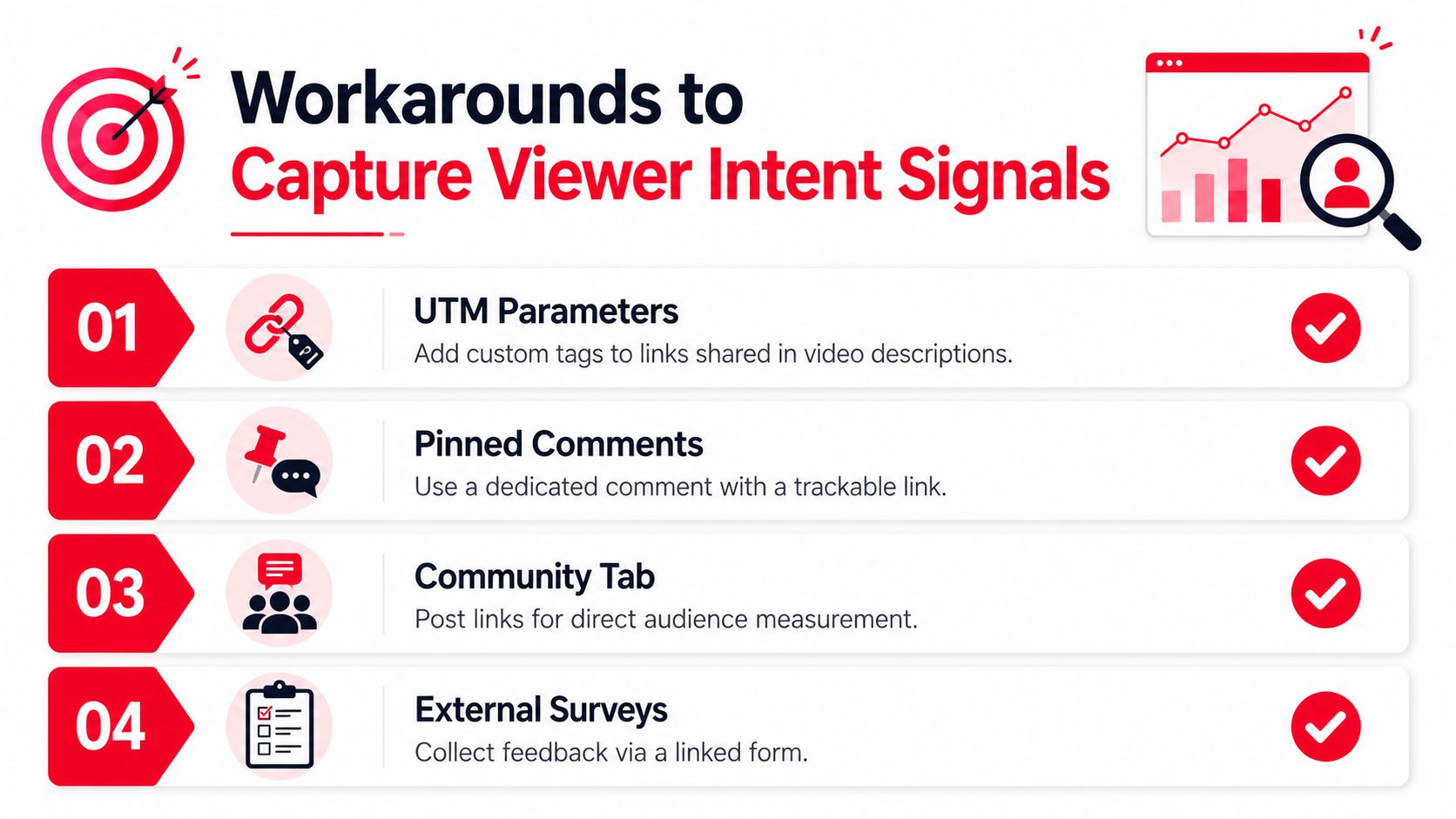
    Can I See Exactly Who Viewed My YouTube Videos?

    The short answer is no. You can't see a list of the specific user accounts that have watched your videos. YouTube takes viewer privacy seriously and keeps all of that information anonymous.

    But what you can see is actually much more powerful for growing your channel. Head over to the "Audience" tab in your analytics. There, you'll find a goldmine of aggregated data: your viewers' general age ranges, their gender distribution, and the top countries they're watching from. This gives you a crystal-clear profile of your audience without ever creeping on individuals.

    Understanding your audience demographics is way more valuable than knowing individual names. It helps you shape your content, your tone, and even your video topics to connect directly with the people who are actually tuning in. That's how you build real engagement and growth.

    What Is a Good Click-Through Rate on YouTube?

    This is the million-dollar question, but there's no single magic number for a "good" Click-Through Rate (CTR). It really depends on your niche, the video topic, and where the viewer is coming from. For example, a video found via YouTube Search will almost always have a higher CTR than one suggested on the homepage, simply because the searcher came looking for it.

    With that in mind, a CTR between 4% and 5% from impressions in Browse and Suggested is a pretty solid benchmark for many channels. Instead of fixating on a universal number, focus on improving your own channel's average. Dive into the analytics funnel to see how well your thumbnails and titles are turning impressions into actual views, and don't be afraid to experiment to see what your audience clicks on.


    Ready to stop guessing and start growing? ViewsMax translates complex analytics into clear, actionable advice to help you create videos that get discovered, watched, and loved. Start making data-driven decisions today at ViewsMax.

  • 12 Great YouTube Video Ideas That Actually Work in 2026

    12 Great YouTube Video Ideas That Actually Work in 2026

    Staring at a blank content calendar is a challenge every creator faces. The pressure to consistently generate fresh, engaging content can quickly lead to creative burnout, making it difficult to produce videos that truly connect. For those moments when inspiration seems to elude you, learning how to overcome creative block is an essential skill for any content creator. But what if the next big hit for your channel isn't a completely new invention, but a proven format adapted to your unique voice and niche?

    This guide moves beyond generic advice to provide a strategic roundup of 12 great YouTube video ideas that consistently perform well with the YouTube algorithm and resonate deeply with audiences. We’ll break down each format with actionable templates, optimization tips, and specific examples, showing you not just what to create, but how and why it works. Whether you're a vlogger, educator, brand, or gamer, these frameworks are designed to spark immediate inspiration and provide a clear roadmap for your next production.

    Instead of just telling you to "make a tutorial," we will give you a blueprint. You'll learn how to structure a "Comparison" video for maximum engagement, how to frame a "Behind-the-Scenes" story that builds community, and how to leverage "Trend-Jacking" without sacrificing authenticity. Consider this your go-to resource for turning a content slump into a strategic opportunity for channel growth. Let's dive into the ideas that will fill your content calendar and fuel your channel's success.

    1. Tutorial & How-To Videos

    Tutorials and how-to guides are a cornerstone of valuable YouTube content. This format directly addresses a user's problem or question, making it one of the most powerful and searchable types of videos you can create. By teaching a skill, explaining a process, or solving a specific issue, you establish immediate authority and provide tangible value that encourages subscriptions and repeat viewership.

    Flat lay of hands typing on a laptop with a 'HOW-TO GUIDE' banner on a wooden desk.

    This format thrives because it’s driven by user intent. Viewers actively search for solutions, leading to high-quality traffic and strong audience retention when the content delivers on its promise. Creators like Marques Brownlee and Graham Stephan have built massive followings by consistently producing high-quality instructional content. This is one of those great youtube video ideas that works across nearly every niche, from tech and finance to cooking and crafts.

    How to Implement This Idea

    • Title/Thumbnail: Use a clear, result-oriented title like "How to Set Up Your First Smart Home in 10 Minutes" or "Beginner's Guide to Adobe Premiere Pro." Your thumbnail should visually represent the final outcome or a key step in the process.
    • Production Template: Start with a hook that states the problem and promises a solution. Break the core content into numbered, easy-to-follow steps. Use screen recordings, close-ups, and text overlays to clarify complex actions. End with a summary and a call-to-action.
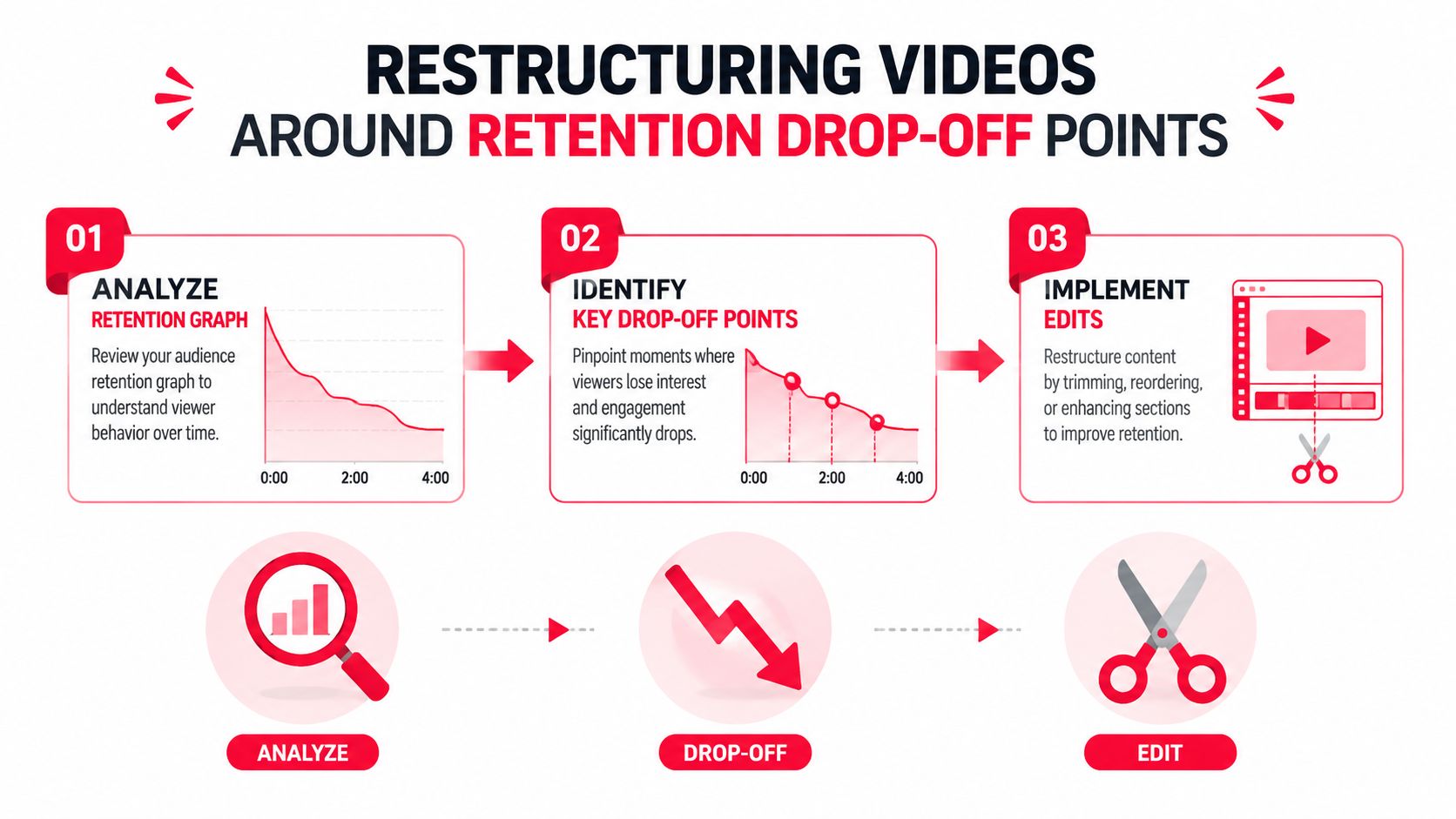
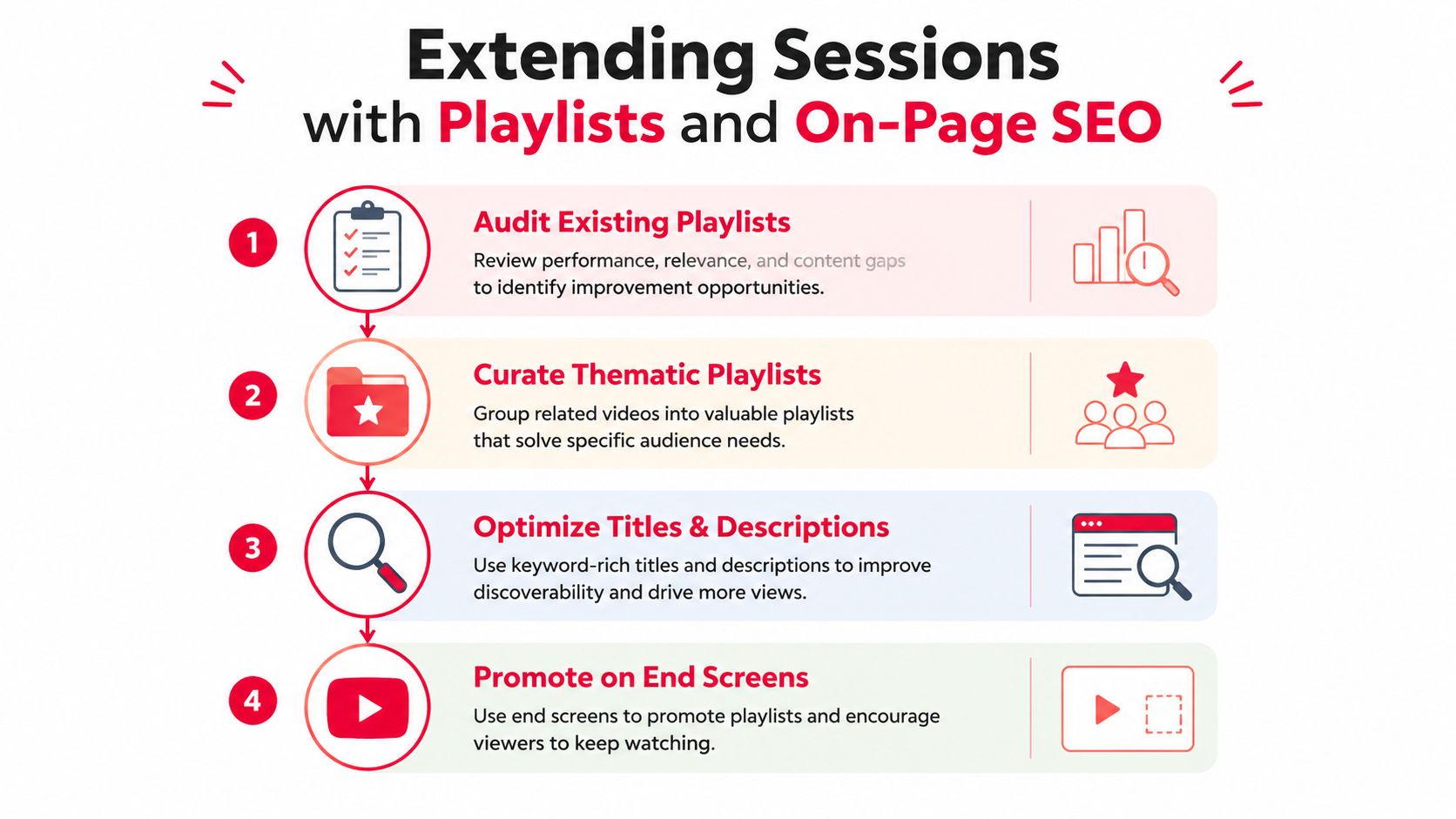
    • SEO & Tags: Focus on long-tail keywords people use when searching for help. Use tags like "how to [task]," "[software] tutorial," "DIY [project]," and "[product] setup guide."

    This approach is perfect for building an evergreen content library that generates views and subscribers long after it's published. To explore this format further, check out our comprehensive guide on developing how-to ideas for a video.

    2. Listicle & Ranking Videos

    Listicles and ranking videos are a powerhouse format on YouTube, captivating audiences with organized, easy-to-digest content. This style leverages human curiosity by promising a definitive list, such as the "Top 10 Best Laptops" or "5 Worst Beginner Mistakes in Gardening." The numbered structure creates natural pacing and an information gap, compelling viewers to watch until the end to see which item claims the top spot.

    A tablet displaying 'TOP 10 PICKS' along with coffee and stationery on a wooden desk.

    This format is highly clickable and shareable because it packages information into a finite, valuable bundle. Channels like WatchMojo have built entire empires on ranking content, proving its immense appeal and viral potential. The inherent structure makes this one of the great youtube video ideas for retaining audience attention, as viewers often have their own opinions and want to see how they compare.

    How to Implement This Idea

    • Title/Thumbnail: Use numbers and superlative adjectives in your title, like "Top 7 Must-Have Desk Gadgets" or "Ranking Every Marvel Movie from Worst to Best." The thumbnail should feature a compelling image of the #1 item and the list number prominently displayed.
    • Production Template: Hook viewers by posing the question your list will answer. Use clear on-screen graphics and numbers for each item. Place your most surprising or controversial picks at the beginning and the end to maximize viewer retention. Conclude by encouraging viewers to share their own rankings in the comments.
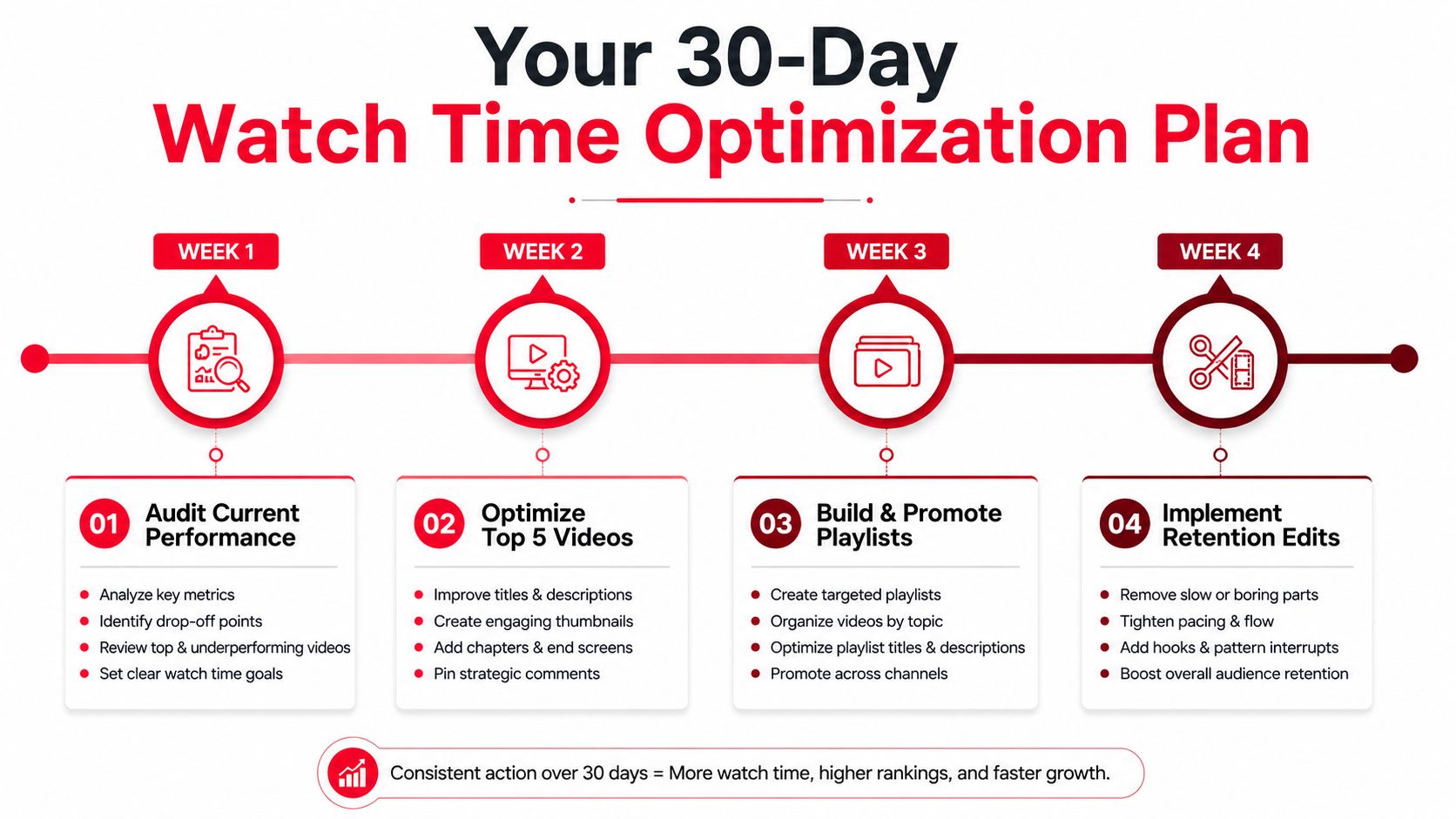
    • SEO & Tags: Target keywords like "best [products]," "top 10 [topic]," "ranking [category]," and "[year] review." Include specific item names from your list in the tags to capture more targeted search traffic.

    This video style is perfect for sparking debate and driving high engagement. To better understand the mechanics behind this format's success, discover what makes a YouTube video go viral in our detailed guide.

    3. Behind-the-Scenes & Day-in-the-Life Content

    Pulling back the curtain to show your process, workspace, or daily routine is an incredibly powerful way to build a loyal community. This authentic, often unpolished format creates a strong personal connection with viewers, making them feel like insiders. Audiences crave relatable content, and sharing your journey, including the challenges and triumphs, fosters a parasocial relationship that turns casual viewers into dedicated fans.

    This format thrives because it humanizes your brand or channel. It shows the real effort, personality, and passion that goes into your primary content, making viewers more invested in your success. Creators like Casey Neistat built an empire on daily vlogs, while MrBeast uses behind-the-scenes footage to reveal the massive scale of his productions. This is one of those great youtube video ideas that adds depth and authenticity to any niche.

    How to Implement This Idea

    • Title/Thumbnail: Use titles that spark curiosity, like "A Day in the Life of a [Your Profession]" or "How We Really Film Our Videos." The thumbnail should feature a candid shot of you in your element, looking natural and engaged rather than posed.
    • Production Template: Start with a hook that establishes the context, such as "You always see the final product, but here's what it takes to get there." Weave together clips of your routine, work process, and personal moments. Use a voiceover to add commentary and guide the narrative, and don't be afraid to show imperfections.
    • SEO & Tags: Use tags that reflect the personal nature of the content, like "day in the life," "behind the scenes," "[your niche] vlog," and "studio tour." Also, include tags related to your primary content to attract your core audience.

    This approach is perfect for building brand loyalty and providing variety in your content schedule. It complements more polished videos by giving your audience a reason to connect with you on a human level.

    4. Comparison & VS Videos

    Comparison videos tap into a powerful psychological trigger: the desire to make the best possible choice. This format pits two or more products, services, or ideas against each other in a head-to-head battle, providing clear, comparative value that helps viewers make informed decisions. The inherent conflict and suspense of a "VS" format create a natural story arc that keeps audiences engaged until a "winner" is declared.

    This format is a search engine goldmine, as viewers constantly type queries like "iPhone vs. Android" or "Canva vs. Photoshop." Creators like Unbox Therapy and MKBHD have built empires on tech comparisons by establishing clear evaluation criteria and delivering objective verdicts. These great youtube video ideas are effective because they serve viewers at the crucial consideration stage of their decision-making process, making your channel an indispensable resource.

    How to Implement This Idea

    • Title/Thumbnail: Use a classic "VS" format in your title, such as "iPhone 15 Pro vs. Google Pixel 8: The Ultimate Camera Test." The thumbnail must feature both competitors clearly, often separated by a bold "VS" graphic to instantly communicate the video's premise.
    • Production Template: Start by introducing both contenders and stating the comparison criteria (e.g., price, features, performance). Dedicate segments to each criterion, showing side-by-side evidence. Conclude with a scorecard or summary declaring the winner for different use cases and a final recommendation.
    • SEO & Tags: Target keywords like "[Product A] vs [Product B]," "[Tool] alternative," and "best [product category] 2024." Use tags that include both product names, the category, and terms like "comparison," "review," "showdown," and "battle."

    This video type is perfect for establishing credibility and capturing high-intent viewers who are close to making a purchase or decision.
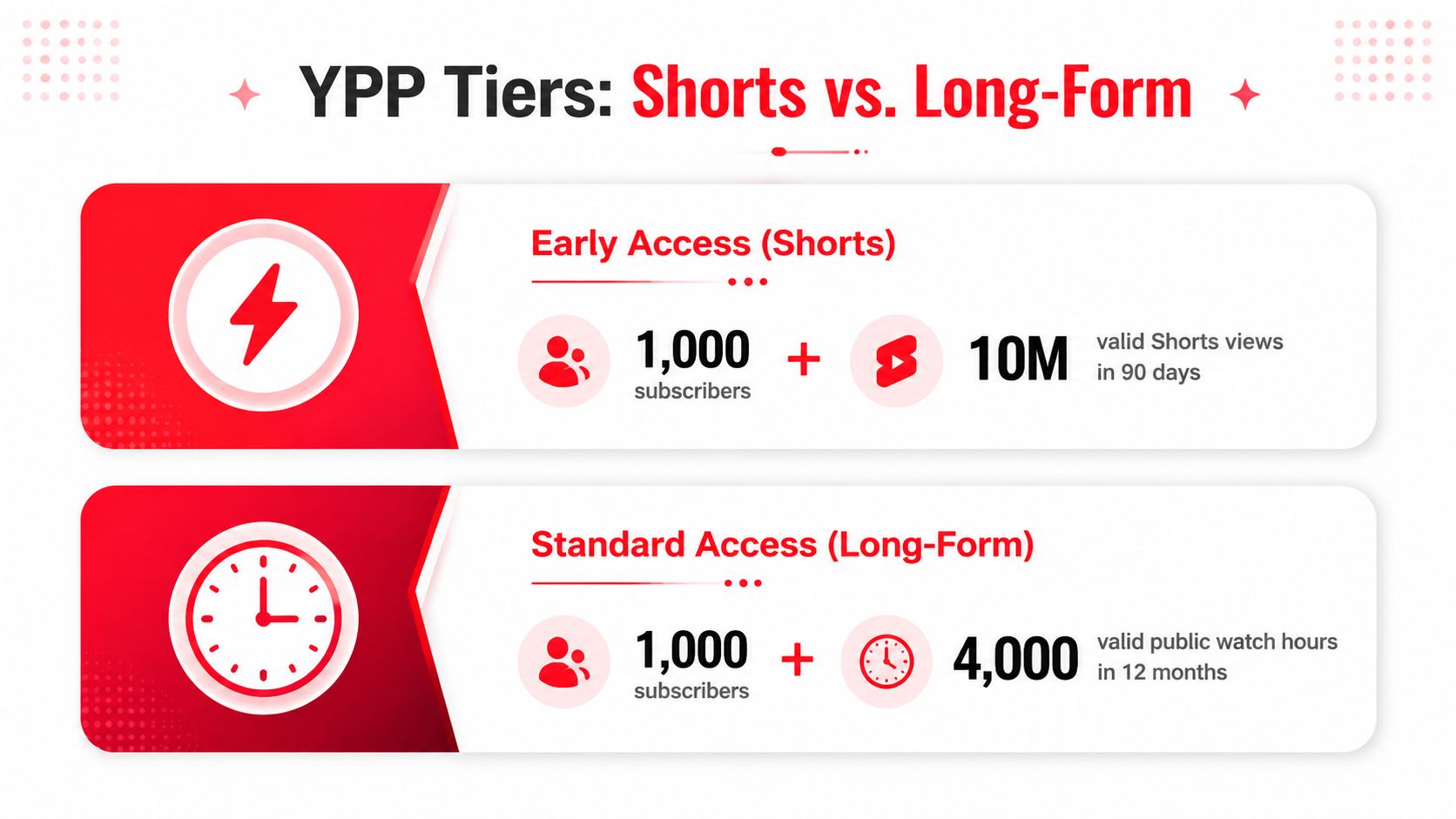
    5. Challenge & Experiment Videos
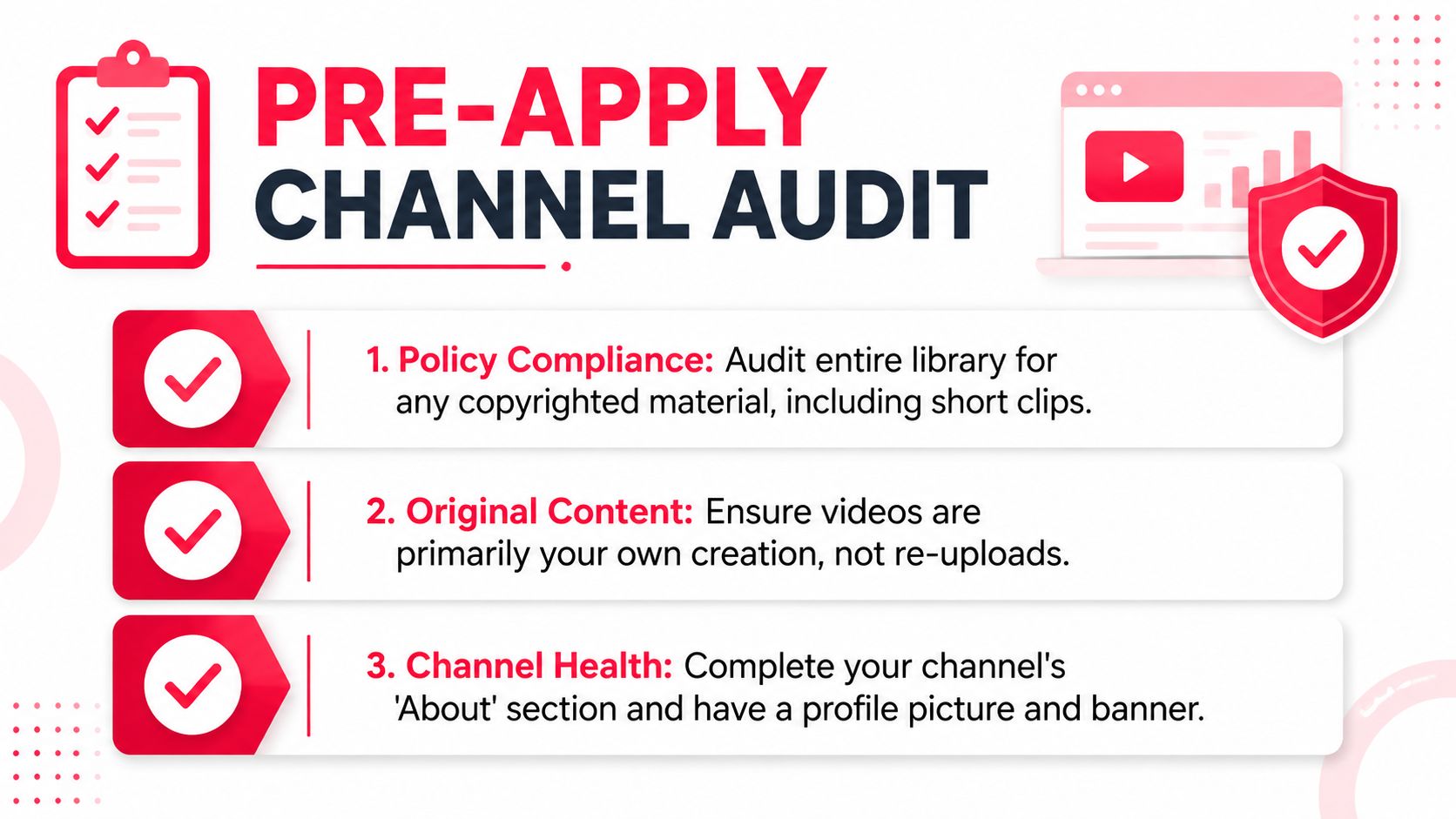
    Challenge and experiment videos tap into our natural curiosity about outcomes. This format involves attempting a difficult challenge, testing a hypothesis, or conducting an experiment to produce surprising or entertaining results. The inherent unpredictability creates a powerful narrative hook, keeping viewers glued to the screen to see what happens next. This is a fantastic way to generate buzz and high share rates.

    Scientist documenting experiment results, with red and green liquid in flasks and an alarm clock.

    The success of this format hinges on tension and resolution. By setting clear stakes and documenting the process, you create an engaging story that viewers feel invested in. Creators like MrBeast have built empires on elaborate challenges, while channels like Vsauce use experiments to explore scientific principles. This is one of those great youtube video ideas that can be adapted for nearly any niche, from fitness ("I Tried the Navy SEAL Fitness Test") to cooking ("Baking a Cake with No Recipe").

    How to Implement This Idea

    • Title/Thumbnail: Create intrigue with a title like "I Lived on $1 a Day for a Week" or "We Tried Every Viral TikTok Hack (Here's What Happened)." The thumbnail should show a dramatic moment from the challenge or the shocking final result.
    • Production Template: Start by clearly stating the rules and goals of the challenge. Build tension throughout the video by showing struggles and small wins. Use dramatic editing and music to heighten key moments. Conclude with the final result and a reflection on the experience.
    • SEO & Tags: Target keywords related to the specific challenge. Use tags like "[topic] challenge," "I tried," "24 hour challenge," "[product] experiment," and "myth busting."

    This approach is perfect for creating viral, high-engagement content that attracts a broad audience and encourages active discussion in the comments.

    6. Educational Deep-Dive & Analysis Videos

    Educational deep-dives move beyond simple how-to content into long-form, comprehensive explorations of complex topics. This format positions you as a thought leader and expert in your niche. By dissecting a subject, analyzing a trend, or explaining a system in great detail, you provide immense value that attracts a dedicated, curious audience ready to invest significant watch time.

    This type of content is a powerhouse for building authority and is particularly effective for educators, coaches, and anyone looking to sell a course or service. Creators like Kurzgesagt and Ali Abdaal use this format to generate high audience retention and build communities around knowledge. For deeper dives and analytical content, learning to master documentary filmmaking techniques can help you craft truly impactful stories that resonate with your audience. This is one of those great youtube video ideas that establishes you as a go-to resource.

    How to Implement This Idea

    • Title/Thumbnail: Use intriguing titles like "The Complete History of Artificial Intelligence" or "Analyzing the Psychology Behind Viral Marketing." The thumbnail should feature compelling graphics, charts, or a visual metaphor for the topic.
    • Production Template: Start with a bold thesis or a captivating question. Structure the video with clear chapters, using motion graphics and b-roll to illustrate abstract concepts. Use timestamps in the description for easy navigation. For these complex videos, a well-structured outline is crucial; you can learn how to write a great video script to ensure your points are clear and engaging.
    • SEO & Tags: Target broad keywords like "[topic] explained," "deep dive on [subject]," "the science of [concept]," and "[industry] analysis." Also include tags for specific terms discussed in the video.

    This format is ideal for channels aiming to become the definitive source of information in their field, fostering long-term viewer loyalty and high-value monetization opportunities.

    7. First Impressions & Reaction Videos

    First impressions and reaction videos tap into the audience's desire for authentic, unfiltered responses. This format involves capturing your genuine reaction to a new product, movie trailer, song, or trending event for the very first time on camera. It creates an immediate, relatable connection with viewers who are often experiencing the same thing alongside you, making it a powerful tool for community building.

    The viral potential of this format is extremely high because it’s tied to timeliness and popular culture. Viewers actively search for reactions to validate their own feelings or see a fresh perspective. Channels like MKBHD leverage this for tech unboxings, while film enthusiasts build entire communities around trailer reactions. This is one of those great youtube video ideas that can capitalize on trending topics to give your channel an algorithmic boost and attract new subscribers quickly.

    How to Implement This Idea

    • Title/Thumbnail: Use titles like "Reacting to the New [Movie] Trailer!" or "[Product] First Impressions: Is It Worth It?" Your thumbnail must convey a strong, clear emotion (shock, excitement, disappointment) and prominently feature the subject of your reaction.
    • Production Template: Begin by briefly stating what you're reacting to and why. Show the source content (with proper credit and fair use in mind) and capture your real-time reaction. Afterward, provide a summary of your thoughts, adding your unique expertise or commentary.
    • SEO & Tags: Optimize for timeliness. Use tags like "[product name] reaction," "[movie] trailer reaction," "first impressions," and "unboxing." Act fast, as the search volume for these terms peaks quickly after a release or announcement.

    This approach is perfect for channels that want to engage with current events and build a highly interactive community. To make the most of this format, find trending topics relevant to your audience on our blog.

    8. Personal Story & Transformation Videos

    Personal story and transformation videos are narrative-driven content that builds a profound emotional connection with your audience. This format involves sharing a personal journey, a significant struggle, or a major life change. By revealing vulnerability and detailing your growth, you create highly relatable and authentic content that fosters unparalleled channel loyalty and community.

    This format taps into a fundamental human desire for connection and storytelling. Viewers are not just consuming information; they are investing in your journey. Creators like Graham Stephan, who shares his path to financial independence, use these narratives to build trust and authority. This is one of those great youtube video ideas that can define your channel, creating a core audience that feels genuinely connected to you and your brand.

    How to Implement This Idea

    • Title/Thumbnail: Use an emotionally compelling title like "How I Overcame [Struggle] to Achieve [Success]" or "My 5-Year Transformation Story." The thumbnail should feature a clear "before and after" visual or a powerful, emotive portrait that sparks curiosity.
    • Production Template: Begin by establishing the initial state or "the before." Detail the key challenges, turning points, and struggles in the middle. Conclude with the transformation and share the key lessons learned. Use photos, old video clips, and B-roll to visually support your narrative.
    • SEO & Tags: Optimize for keywords related to your specific journey. Use tags like "[your niche] journey," "transformation story," "how I started," "my story," and "[goal] success story."

    This approach is perfect for building a strong community, launching a personal brand, or adding a layer of authenticity to an existing channel. The emotional impact often leads to high engagement and shareability.

    9. Collaboration & Interview Videos

    Bringing other creators or experts onto your channel is a powerful growth strategy that introduces your content to a new, relevant audience. This format leverages the established trust and viewership of your collaborator, providing a warm introduction to potential new subscribers. By featuring guests, you inject fresh perspectives and authority into your content, making it dynamic and more credible.

    This format excels at audience cross-pollination. When creators like Ali Abdaal interview other productivity experts, both channels benefit from the exposure. The interview style naturally creates engaging, conversational content that can be repurposed into clips for Shorts, TikTok, and Instagram. This is one of the best great youtube video ideas for networking and rapidly expanding your reach beyond your existing followers.

    How to Implement This Idea

    • Title/Thumbnail: Create titles that feature both names prominently, such as "Unlocking Creativity with [Guest's Name]" or "[My Channel] x [Collaborator's Channel]: The Ultimate Challenge." Thumbnails should show both creators' faces clearly to attract both audiences.
    • Production Template: Begin with a short introduction of your guest and the topic. Structure the conversation with pre-planned, insightful questions, but allow for natural detours. Ensure both participants get equal screen time and speaking opportunities. Conclude with a clear call-to-action for viewers to check out the guest's channel.
    • SEO & Tags: Use tags for both your niche and your collaborator's niche. Include both channel names and specific topics discussed, like "[expert name] interview," "creator collaboration," and "[niche] expert explains."

    This approach is perfect for breaking through growth plateaus and building relationships within your community. To find potential collaborators, you can analyze your audience's other watched channels in YouTube Studio.

    10. Trend-Jacking & News Commentary Videos

    Trend-jacking is the art of tapping into current events, viral topics, and breaking news to create relevant, timely content. These videos capitalize on the massive, immediate surge in search volume and audience interest surrounding a trending subject. By offering your unique commentary, explanation, or reaction, you can "ride the wave" of a popular topic to gain explosive visibility and attract new viewers who are hungry for information.

    This format thrives on speed and relevance. When a new product is announced or a major event happens in your niche, viewers flock to YouTube for analysis and opinions. Creators who can produce quality content quickly position themselves as go-to sources, earning a significant boost in views and subscribers. This is one of those great youtube video ideas that rewards agility and can quickly put a smaller channel on the map.

    How to Implement This Idea

    • Title/Thumbnail: Use urgent, topical language like "My Honest Reaction to the New [Product Name]" or "[Trending Event]: What It Means for You." Your thumbnail should feature a clear image of the trend's subject and a strong, emotive facial expression.
    • Production Template: Start with a hook that immediately addresses the trending topic. Provide your unique angle or analysis, breaking down the key points. Avoid simply repeating the news; add value with your expertise or opinion. End with a question to encourage comments and community discussion.
    • SEO & Tags: Use the exact name of the trending topic, person, or event as your primary keyword. Add related tags like "[topic] news," "[topic] explained," "breaking news," and "[event] reaction" to capture a wider search audience.

    This strategy is ideal for channels aiming for rapid growth and establishing themselves as timely authorities in their niche. To stay ahead, set up Google Alerts for keywords relevant to your industry and have video templates ready for quick deployment.

    11. Mistakes, Failures & What-Not-To-Do Videos

    Content that documents what went wrong, highlights common mistakes, or shares lessons from failure is incredibly powerful for building audience trust. This format moves beyond success-only narratives, showing vulnerability and providing practical, hard-won wisdom. Viewers often find these "what not to do" guides more relatable and useful than a simple success story because they address real-world challenges.

    This type of content humanizes the creator and establishes deep credibility. By sharing your failures, you save your audience from making the same errors, providing immense value that fosters loyalty. Creators in high-stakes niches like finance, entrepreneurship, or even complex hobbies use this format effectively. It's a fantastic example of great youtube video ideas because it turns setbacks into teachable moments that resonate strongly with viewers seeking authentic guidance.

    How to Implement This Idea

    • Title/Thumbnail: Use titles that spark curiosity and promise valuable lessons, like "5 Beginner Mistakes That Cost Me $1,000" or "Why My First Business Failed (& What I Learned)." The thumbnail should visually represent the "pain point" or the lesson learned, not just the failure itself.
    • Production Template: Start by introducing the failure or mistake and the negative outcome. Dedicate the core of the video to explaining why it happened, breaking down the contributing factors. Most importantly, conclude with clear, actionable lessons and advice on how viewers can avoid the same pitfall.
    • SEO & Tags: Target keywords focused on prevention and learning. Use tags like "common [niche] mistakes," "what to avoid," "[topic] pitfalls," "lessons learned," and "beginner mistakes."

    This approach is ideal for building a strong, trust-based relationship with your audience and creating content that serves as a genuine, helpful resource.

    12. Beginner Guide & Foundational Content Videos

    Every expert was once a beginner, and foundational content is your channel's front door for newcomers. These videos explain the absolute basics of your niche, breaking down core concepts, terminology, and first steps. This format is crucial for attracting a wide audience, as it directly targets users at the very beginning of their learning journey, establishing your channel as the go-to starting point.

    This strategy builds a powerful, evergreen content funnel that continuously draws in fresh viewers. By creating the definitive "getting started" guide, you position yourself as a welcoming and knowledgeable authority. Channels like Crash Course and Ali Abdaal have mastered this by creating accessible entry points to complex subjects, making this one of the most sustainable and great youtube video ideas for long-term channel growth.

    How to Implement This Idea

    • Title/Thumbnail: Use clear, inviting titles like "Learn [Your Niche] in 15 Minutes" or "The Absolute Beginner's Guide to [Topic]." Your thumbnail should be simple, using bold text like "START HERE" or "Level 1" to signal its foundational nature.
    • Production Template: Start by acknowledging the viewer is new and promising a clear, jargon-free explanation. Break the topic into fundamental pillars (e.g., "The 3 Core Principles of…"). Use simple analogies, slow pacing, and on-screen definitions. End with a roadmap of what they should learn next, ideally linking to your other videos.
    • SEO & Tags: Target high-volume, low-competition keywords beginners would search. Use tags like "[topic] for beginners," "getting started with [topic]," "[topic] basics," and "what is [core concept]."

    This approach is perfect for building a loyal subscriber base from the ground up, as you become the trusted guide for their entire journey.

    12 YouTube Video Ideas Comparison

    Video Type 🔄 Implementation Complexity ⚡ Resource & Time Requirements ⭐📊 Expected Outcomes / Impact 💡 Ideal Use Cases ⭐ Key Advantages
    Tutorial & How-To Videos Medium 🔄 (structured steps, clarity) Moderate ⚡ (screen recording, editing) High ⭐📊 (evergreen traffic, strong retention) Educators, Coaches, Skill channels SEO-friendly; authority building ⭐
    Listicle & Ranking Videos Low–Medium 🔄 (format rules, research) Moderate ⚡ (research, thumbnails) High ⭐📊 (strong CTR, engagement) Review, Niche, Gaming channels Highly clickable; debate-inducing ⭐
    Behind-the-Scenes & Day-in-the-Life Low 🔄 (informal capture) Low–Moderate ⚡ (ongoing filming) Medium ⭐📊 (loyalty, engagement) Vloggers, Personal brands High authenticity; low production barrier ⭐
    Comparison & VS Videos Medium–High 🔄 (balanced evaluation) High ⚡ (access to items, higher production) High ⭐📊 (search intent, CTR) Tech, Product review, Productivity Clear value proposition; strong debate ⭐
    Challenge & Experiment Videos Medium–High 🔄 (planning, safety) High ⚡ (prep, multiple takes) High ⭐📊 (shareable, high retention) Entertainment, Science, Lifestyle Viral potential; highly engaging ⭐
    Educational Deep-Dive & Analysis Videos High 🔄 (research, scripting) Very High ⚡ (graphics, long production) Very High ⭐📊 (authority, long watch time) Educators, Thought leaders, Niche experts Authority-building; monetization-ready ⭐
    First Impressions & Reaction Videos Low 🔄 (real-time filming) Low ⚡ (quick turnaround) Medium–High ⭐📊 (trend-driven spikes) Tech, Entertainment, Trending channels Fast production; timely engagement ⭐
    Personal Story & Transformation Videos Medium 🔄 (narrative crafting) Moderate ⚡ (editing for emotion) Very High ⭐📊 (deep engagement, loyalty) Personal brands, Coaches Strong emotional resonance; shareable ⭐
    Collaboration & Interview Videos Medium 🔄 (coordination, questions) Moderate–High ⚡ (scheduling, multi-record) High ⭐📊 (audience growth, credibility) Networking-focused, Growing channels Cross-audience reach; credibility boost ⭐
    Trend-Jacking & News Commentary Videos Low–Medium 🔄 (fast angle selection) Low ⚡ (rapid production) Medium–High ⭐📊 (short-term algorithm boost) News, Tech, Commentary channels Topical relevance; quick exposure ⭐
    Mistakes, Failures & What-Not-To-Do Videos Low–Medium 🔄 (careful framing) Moderate ⚡ (storytelling, examples) Medium ⭐📊 (trust-building, engagement) Coaching, Business, Expertise channels Builds credibility; practical lessons ⭐
    Beginner Guide & Foundational Content Videos Low 🔄 (simple structure) Low–Moderate ⚡ (clear visuals, pacing) Medium ⭐📊 (attracts newcomers, high completion) Educational channels, New audiences Onboards beginners; approachable authority ⭐

    Turning Ideas Into Views and Subscribers

    We've explored a comprehensive arsenal of twelve powerful video formats, from the evergreen utility of "Tutorial & How-To" guides to the magnetic relatability of "Mistakes & Failures" content. This journey has armed you with more than just a list of great youtube video ideas; it has provided a strategic framework for creating content that captivates, educates, and converts viewers into a loyal community. The common thread connecting every successful format is its ability to deliver clear, undeniable value to a specific audience.

    The true magic, however, lies not in simply selecting an idea from this list, but in the art of adaptation. A "Day-in-the-Life" video for a software engineer will look vastly different from one for a freelance artist, yet both build powerful human connections. Similarly, a "Comparison" video can be as simple as putting two microphones head-to-head or as complex as analyzing competing business philosophies. Your unique voice, expertise, and perspective are the catalysts that transform these proven templates into original, must-watch content.

    From Blueprint to Banger: Your Actionable Next Steps

    Execution is the bridge between a good idea and a great video. The most brilliant concept will fall flat without a commitment to quality, consistency, and audience analysis. As you move forward, your focus should shift from "what to make" to "how to make it resonate."

    Here is your post-brainstorming checklist to ensure your next video has the best possible chance of success:

    • Select and Specialize: Choose one or two formats from this list that genuinely excite you and align with your channel's goals. Don't try to do everything at once. Master a format before diversifying.
    • Define Your Angle: For your chosen idea, what is your unique spin? If it's a tutorial, what common mistake will you help viewers avoid? If it's a reaction video, what specific expertise do you bring to your commentary?
    • Script Your Hook: Revisit the hook examples provided. The first 15 seconds are non-negotiable. Write down three different opening hooks for your video and read them aloud. Pick the one that creates the most immediate curiosity or promises the clearest benefit.
    • Analyze and Iterate: Once your video is live, the work isn't over. Dive into your YouTube Analytics. Look at audience retention. Where did viewers drop off? Which moments saw engagement spikes? Use this data to refine your next execution of that video idea.

    Key Insight: Consistency isn't just about a publishing schedule; it's about consistently delivering on the promise your channel makes to its audience. Whether that promise is expert advice, behind-the-scenes access, or entertaining challenges, every video must reinforce it.

    Ultimately, this extensive list of great youtube video ideas serves as your launchpad. The goal is to move beyond simply following templates and begin to intuitively understand what your audience craves. Use these formats as a creative playground to test, learn, and discover the unique content rhythm that will define your channel's success. The journey from zero subscribers to a thriving community is built one well-executed, value-packed video at a time.


    Ready to supercharge your brainstorming and stop guessing what works? ViewsMax uses AI to help you discover high-potential video ideas tailored to your niche, generate optimized titles that grab attention, and find the right keywords to get your content discovered. Move from idea to upload faster by visiting ViewsMax and see how top creators accelerate their growth.

  • How to Get Lots of Subscribers on YouTube A Proven Growth Guide

    How to Get Lots of Subscribers on YouTube A Proven Growth Guide

    Forget the idea of a "viral hit." Growing a loyal subscriber base on YouTube isn't about luck; it's a craft. It all boils down to a pretty straightforward loop: create truly valuable content for a specific group of people, and then make sure they can actually find it. Over and over again.

    This guide is your playbook for mastering that loop, from the foundational strategy to the nitty-gritty of getting your videos discovered.

    Building Your Channel's Strategic Foundation

    Before you even think about hitting that record button, the real work begins. Trying to get subscribers without a clear strategy is like driving cross-country without a map—you'll burn a lot of gas and end up frustrated. The channels you see with steady growth and engaged communities? They all started with a rock-solid plan.

    This isn't just about picking a topic you find interesting. It’s about getting crystal clear on your channel's purpose, knowing your audience better than they know themselves, and carving out a unique corner on the platform. This upfront work is what will guide every title you write, every video you film, and every thumbnail you create.

    Defining Your Channel's Core Purpose

    Let's get straight to it: what problem are you solving? With thousands of other channels out there, why should someone watch yours? Your answer is your channel value proposition—it's the promise you make to every single person who clicks on your video.

    A weak proposition is vague, like "a channel about cooking." A strong one is specific and gets an immediate nod of understanding, like "the channel that teaches busy professionals how to cook healthy meals in 30 minutes." That kind of clarity is a magnet for the right audience and gives them a reason to stick around.

    Key Takeaway: A subscriber is someone who trusts you to deliver consistent value. Your channel's strategy is the blueprint for earning and keeping that trust.

    Conducting Meaningful Audience Research

    You can't solve a problem if you don't understand it from your audience's point of view. This means going way beyond just looking at keywords. You need to become part of the communities where your ideal viewers already are.

    • Become a Comment Section Detective: Dive into the comments on channels similar to yours. What questions pop up again and again? Those are content ideas and pain points served up on a silver platter.
    • Hang Out in Forums: Browse Reddit, Quora, and other online forums in your niche. Pay close attention to phrases like "how do I," "I'm struggling with," or "can anyone recommend."
    • Spot the Content Gaps: What are the big channels in your space not covering? Is there a topic they only touch on briefly, or an angle they've completely missed? That's your opening to become the go-to expert.

    Doing this kind of deep-dive research ensures you're making videos people are desperately searching for, not just content you assume they want. Taking the time to find the https://blog.viewsmax.com/best-niche-for-youtube/ is a non-negotiable first step that will pay off for years.

    Establishing Your Content Pillars and Brand

    Your content pillars are the 2-4 core topics your channel will be known for. If you run a home repair channel, your pillars might be "DIY Plumbing Fixes," "Beginner Woodworking Projects," and "Essential Tool Reviews." These pillars give your channel a predictable structure, which is exactly what makes a viewer feel confident enough to subscribe.

    Your brand is the personality that weaves it all together. It shows up in everything you do:

    • Visual Identity: The consistent colors, fonts, and logos across your channel banner, thumbnails, and in-video graphics.
    • Tone of Voice: Are you the serious, authoritative teacher, or the funny, relatable friend?
    • Editing Style: Do you lean toward fast cuts and high-energy music, or a more cinematic, laid-back feel?

    A cohesive brand makes your channel instantly recognizable and signals that you’re a serious creator.

    To help you nail this down, I've put together a quick checklist. Run through these questions to make sure your foundation is solid.

    Core Channel Strategy Checklist

    Strategy Element Key Question to Answer Example (DIY Home Repair Channel)
    Value Proposition What specific problem do I solve for a specific audience? "I help first-time homeowners fix common issues themselves to save money and gain confidence."
    Target Audience Who am I talking to? What are their biggest frustrations? New homeowners (25-40) who are on a budget and feel intimidated by home maintenance.
    Content Pillar 1 What is a core recurring topic? "Emergency Fixes" (e.g., leaky faucet, running toilet)
    Content Pillar 2 What is another core recurring topic? "Simple Upgrades" (e.g., installing a new light fixture, painting a room)
    Content Pillar 3 What is a third core recurring topic? "Tool Basics" (e.g., what's in a beginner's toolkit, how to use a drill)
    Unique Angle What makes my channel different from others? My focus is on absolute beginners, using only basic tools. I explain the "why" behind each step.

    Thinking through these elements gives you a powerful filter for every future decision. When you have a clear foundation, you can then build a smart plan for how to grow your YouTube channel fast by making sure every video aligns with your core strategy. You're not just creating content; you're building a resource.

    Creating Content That Actually Earns Subscriptions

    Your channel strategy is the roadmap, but your content is the fuel. Let's be real: subscribers are earned one video at a time, and that only happens when you consistently deliver the goods. It's not about having the flashiest gear or a Hollywood budget. It's about getting into the head of your viewer and understanding what makes them go from a one-time visitor to a loyal fan.

    This whole process kicks off way before you even think about hitting the record button. It starts with an idea that provides genuine value to your target audience, structured in a way that respects their time and hooks them from the very first second. This is how you build a library of binge-worthy content that turns a single click into a full-blown viewing session.

    Brainstorming Ideas That Resonate

    The best video ideas aren't pulled out of thin air; they come from listening. Your audience is constantly dropping clues about what they want to see—you just have to know where to look. Instead of throwing darts at a wall, start with what's already proven to work.

    • Solve a Specific Problem: People subscribe to channels they see as a resource. Stop thinking in broad topics and start thinking in terms of problems. A video titled "How to Fix a Wobbly Ceiling Fan in Under 10 Minutes" will always outperform a generic "Ceiling Fan Maintenance" video. It's specific and actionable.
    • Find Your Performance Gaps: Pull up your analytics and look at your most popular videos. What’s the common thread? Now, do the same for your least popular ones. The difference between the two tells a powerful story about what your audience truly wants from you.
    • Use Keyword Research as a Compass: Tools are great for showing you what people are searching for, but your job is to give it a human touch. If everyone is searching for "best budget microphones," your angle could be "The Only 3 Microphones Under $100 You Actually Need." It’s opinionated, specific, and instantly more valuable.

    To keep your content ideas flowing without getting bogged down, you might want to look into some of the newer AI script-to-video tools. They can help turn your outlines into a solid visual starting point, freeing you up to focus more on the high-level strategy and research.

    Structuring Videos for Maximum Retention

    Getting someone to click is only half the battle. The real magic happens when you can keep them watching. Audience retention is a massive signal to the YouTube algorithm that your content is worth pushing to more people, which is your fast track to more subscribers.

    The first 15 seconds are, without a doubt, the most important part of your video. You have to immediately prove to the viewer that they made the right choice by clicking and clearly state the value they’re about to get.

    Pro Tip: Open your video by directly addressing the promise you made in your title. If the title is "5 Mistakes Beginner Gardeners Make," your opening line should be something like, "In the next few minutes, you're going to learn the five mistakes that are killing your plants, and I'll show you exactly how to fix each one."

    Once you've hooked them, the body of your video needs to keep that momentum going. Don't be afraid to use quick cuts, B-roll, on-screen text, and sound effects to keep the energy high. Every section should flow logically into the next, building up to a satisfying payoff. Honestly, just having a detailed outline can be a game-changer. Learning how to write a great script for your YouTube videos is one of the single best ways to improve your pacing and keep people watching longer.

    Production Quality That Builds Trust

    Let’s be clear: "high production value" doesn't mean you need a RED camera. It just means you need to remove any distractions that might pull the viewer out of the experience. When you're starting out, only two things truly matter:

    1. Clear Audio: People will forgive grainy video, but they will click away instantly from terrible audio. A decent microphone is one of the best investments you can make. Just make sure there's no background hum, echo, or hiss.
    2. Good Lighting: A well-lit shot just makes you look more professional and trustworthy. You don't need a pro lighting kit—a simple ring light or even just facing a window can make a night-and-day difference.

    Master these two fundamentals before you even think about upgrading your camera. That clarity and professionalism build the subconscious trust that turns a viewer into a subscriber. This focus on the viewer's experience is more important than ever.

    Just look at the explosive growth of YouTube's own subscription services. The number of YouTube Premium subscribers is projected to jump from just 18 million in 2019 to an incredible 125 million by 2025. That's a 594% increase. These are super-users who contribute heavily to watch time, a metric the algorithm absolutely loves. Channels that deliver a premium, high-retention experience are the ones that get rewarded. It’s a clear sign that a dedicated audience is a powerful signal of a channel's quality.

    Get Found: A Deep Dive into YouTube SEO and Discoverability

    Making a great video is just half the battle. If nobody can find it, it's like hiding a masterpiece in a closet. This is where getting a handle on YouTube SEO becomes your secret weapon for growing your subscriber count. It’s less about "gaming the system" and more about giving YouTube clear, powerful signals that your content is exactly what people are looking for.

    At the end of the day, YouTube’s job is simple: keep people on the platform. To do that, its algorithm zeroes in on two critical viewer signals: click-through rate (CTR) and watch time. A high CTR proves your title and thumbnail are grabbing attention, while solid watch time shows your content delivers on the promise. Nail both, and YouTube will start showing your videos to whole new audiences.

    Titles and Thumbnails: Your One-Two Punch

    Think of your title and thumbnail as your video's billboard on a very crowded highway. They have one job: to make someone stop scrolling and click. The best ones work together to create a "curiosity gap"—that irresistible urge to find out the answer or see the result.

    A great title is sharp, packed with relevant keywords, and usually has a hook that piques interest. The thumbnail needs to be visually striking, with clean text and an expressive image that complements the title without just repeating it.

    For instance, a title like "Gardening Tips" is bland and will get lost in the noise.

    • Better: "5 Common Gardening Mistakes That Are Killing Your Plants"
    • Even Better: "Stop Making These 5 Gardening Mistakes (Your Plants Will Thank You)"

    That second title creates a sense of urgency and feels personal. Pair it with a thumbnail showing a sad, wilted plant next to a thriving, vibrant one, and you’ve created an emotional hook that makes clicking almost a reflex.

    Write Descriptions for People First, Algorithm Second

    The video description is some of the most valuable, and most wasted, real estate on YouTube. It’s your opportunity to give your viewers a ton of value while also feeding the algorithm exactly what it needs to understand your video.

    Those first two or three sentences are gold—they're what show up in search results. Use this space to summarize the video's core promise and naturally weave in your most important keywords.

    My Go-To Strategy: I structure every description for easy scanning. I use timestamps to create video chapters, link out to any tools or resources I mentioned, and drop in a quick "about my channel" pitch at the bottom. This turns a boring text block into a genuinely useful resource for the viewer.

    Think of the description as the full story behind your title's headline. By filling it with helpful context, relevant keywords, and useful links, you're not just helping your search rankings; you're building trust with your audience. For a much deeper look, our guide on YouTube SEO optimization tips covers more advanced strategies.

    A No-Nonsense Approach to Video Tags

    Tags used to be a huge ranking factor, but now their role is more subtle, yet still important. Their main job is to give YouTube extra context about your video, helping it connect your content with similar videos and the right audience.

    I've found the most effective strategy is to break tags into three simple buckets:

    1. Broad Tags: These are the high-level categories for your niche (e.g., "Home Repair," "DIY Projects"). They help YouTube understand the general ballpark your video plays in.
    2. Specific Tags: This is where you get granular with long-tail keywords that describe exactly what's in the video (e.g., "how to fix a leaky faucet," "leaky kitchen sink repair," "Delta faucet drip fix").
    3. Channel Tags: Don't be afraid to include the names of a few larger, well-respected channels in your space. This is a subtle hint to YouTube that your video might be a good recommendation to show after someone watches one of their videos.

    This structured approach makes sure you're covered from all angles, from the big-picture category down to the specific problem you're solving.

    How Playlists Drive Binge-Watching

    Playlists are one of the most powerful and criminally underused tools for growth. When a viewer watches a video in a playlist, the next one automatically starts playing. This is a huge win for boosting session watch time—the total amount of time a person spends on YouTube in one sitting.

    High session time sends a massive signal to the algorithm that your channel is great at keeping people engaged. By grouping your videos into logical, themed playlists, you're basically engineering binge-watching sessions.

    Here are a few playlist ideas that always work well:

    • Series Playlists: An obvious one. If you have a multi-part series, put it in a playlist.
    • Topic Playlists: Group videos around your main content pillars (e.g., "Beginner Woodworking," "Advanced Plumbing Fixes").
    • "Greatest Hits" Playlists: Create a playlist of your most popular videos to give new viewers a perfect starting point.

    When you organize your videos into playlists, you transform your channel from a random collection of videos into a curated library of content. That makes it a destination—and a much more compelling reason for someone to subscribe.

    Smart Promotion: Getting Your Videos Seen

    Hitting "publish" is just the beginning. So many creators put all their energy into making a video, but then they just let it sit there, hoping the algorithm finds it. That's a recipe for stagnation. If you want your channel to grow, you need to actively get your content in front of the right people.

    This isn't about spamming your links everywhere you can think of. It's about a smart, strategic plan to place your video where your ideal viewers are already hanging out and to strengthen the connection you have with your existing fans.

    Don't Just Build an Audience, Build a Community

    Your most dedicated subscribers—the ones who watch every video and tell their friends about you—don't just feel like viewers. They feel like part of something. That sense of community is your secret weapon, and it starts right in your comment section.

    Make it a non-negotiable rule to reply to as many comments as you can, especially within the first day a video is live. It's a simple act, but it shows you're listening and that you value their time. This little touch encourages more people to join the conversation, which is a massive signal to the YouTube algorithm that your video is worth pushing.

    Your Community tab is another goldmine for this. Don't let it collect dust.

    • Spark a conversation: Post a poll or ask a question related to your niche. "What topic should I cover next?" or "What's the one thing you struggle with when it comes to [your topic]?"
    • Show them the real you: A quick photo from behind the scenes or a short text update about your next project makes the channel feel human and authentic.
    • Breathe life into old content: Remind your audience about a great video they might have missed from a few months back.

    This steady interaction turns casual viewers into true fans who become your biggest advocates.

    Slice and Dice: Repurpose Your Content for Every Platform

    Your long-form YouTube video is a treasure trove of smaller content pieces. Instead of just dropping a raw link to your new video on Instagram, you need to chop it up and serve it in a way that feels native to each platform. This creates multiple doorways that all lead back to your main channel.

    Think about it: a single 10-minute video can become an entire week's worth of content for your other social media accounts.

    1. Clip it for a TikTok or Reel: Find the most compelling 30-60 second moment in your video. Add some captions, maybe throw in a trending sound, and you've got a short-form video with a real shot at going viral.
    2. Create an Instagram Carousel: Pull out 3-5 key points or takeaways and turn them into a simple, swipeable graphic post. The final slide? A clear call-to-action to check out the full video on YouTube for the deep dive.
    3. Share a Quote Graphic: Did you say something particularly insightful or funny? Pull that quote, put it on a clean background, and share it on Twitter or Facebook.

    Each one of these repurposed pieces is a breadcrumb. You're leading new audiences from platforms where they already are directly to your YouTube channel.

    The Ultimate Growth Hack: Collaborations

    While all the other tactics create steady, solid growth, nothing skyrockets a channel faster than a great collaboration. When you partner with another creator, you get an introduction to their entire audience—a group of people who already trust that creator's taste. It’s like a warm referral, and it can give you a massive subscriber boost almost overnight.

    The trick is finding the right partner. You're looking for someone who is in a similar ballpark in terms of channel size and whose audience overlaps with yours without being identical. For instance, if you review tech gadgets, collaborating with someone who teaches video editing is a perfect match. The audiences have a clear shared interest, creating a natural and valuable crossover.

    Expert Insight: When you reach out to someone about a collaboration, make your pitch all about them. The worst thing you can do is send a generic "wanna collab?" message. Instead, come with a specific video idea that would provide immense value to their audience and play to their strengths. A well-thought-out pitch proves you respect their work and are serious about creating something great together.

    The data backs this up, especially when you think beyond just YouTube-to-YouTube collabs. Research shows that cross-platform collaborations are one of the most powerful growth strategies out there. In fact, these partnerships can drive an average subscriber gain of 15%, which is significantly higher than collaborations with creators in the exact same niche (12%). The real power comes from tapping into unique fanbases on platforms like TikTok or Instagram, creating new funnels to bring people to your channel. You can dive deeper into these YouTube statistics and insights on DataGlobeHub to see the full picture.

    Using Analytics to Fuel Continuous Growth

    You can't grow what you don't measure. If you're serious about getting more subscribers, you have to move beyond guesswork and start listening to what your data is telling you. Once your videos are live, they become a goldmine of information. Learning to read your YouTube Analytics is probably the single most powerful skill you can develop.

    It’s not about getting lost in endless spreadsheets. It’s about building a feedback loop: you publish a video, analyze its performance, and use those insights to make the next one even better. This is how you stop guessing what your audience wants and start giving them exactly what their viewing habits say they love.

    The Two Metrics That Matter Most

    Forget about vanity metrics for a moment. To really understand what's working, you need to look at Click-Through Rate (CTR) and Average View Duration (AVD) as a team. They tell a complete story.

    A high CTR means your thumbnail and title were fantastic—they grabbed attention and earned the click. A high AVD means your content delivered on that initial promise and kept people glued to the screen.

    Here’s how to diagnose your videos using this combo:

    • High CTR, Low AVD: You've got a classic "clickbait" problem, even if it's unintentional. Your packaging (title/thumbnail) is great, but the video itself isn't holding attention. The issue isn't discovery; it’s the content's hook, pacing, or value.
    • Low CTR, High AVD: This one is almost more frustrating. It means the people who did click absolutely loved your video. The content is solid, but your title and thumbnail are failing to convince people to even start watching.
    • High CTR, High AVD: This is the magic formula. You've nailed it. A great idea was packaged perfectly, leading to tons of clicks and fantastic watch time. The YouTube algorithm loves this signal and will push your content to more people.

    When you think this way, you can stop blindly "improving" and start making targeted fixes to the weakest part of your strategy.

    Going Deeper: Reading the Audience Reports

    Beyond CTR and AVD, two specific reports in YouTube Analytics will give you an almost unfair advantage: Traffic Sources and Audience Retention.

    Your Traffic Sources report shows you precisely how people are finding you. Is it through YouTube search? Are your videos popping up as suggested content next to other popular videos? This tells you which of your strategies are actually paying off. For instance, if "Browse features" is a top source, it means your thumbnails are compelling enough to stop people from scrolling on their homepage.

    But the Audience Retention graph? That’s the most brutally honest feedback you’ll ever get. It’s a line graph showing you, second-by-second, where people are dropping off.

    Pro Tip: Look for the sharp dips. A huge drop in the first 15 seconds means your intro is too long or doesn't deliver on the title's promise. A sudden dip halfway through might highlight a boring segment or a confusing explanation. These are your exact moments to fix in future content.

    By spotting these patterns, you learn what bores your audience and can start creating tighter, more engaging videos that people watch all the way through.

    After publishing, your next move depends on your immediate goal. This simple decision tree can help you decide where to focus your energy.

    Flowchart outlining a video promotion strategy: publish, then decide whether to collaborate or engage the community.

    As the flowchart shows, you have a choice: either rally your existing community to build momentum or collaborate with another creator to tap into a fresh audience. Both are powerful tactics for growth.

    To bring it all together, think of your analytics as a diagnostic tool. The table below provides a simple framework for interpreting common metric combinations and turning them into a clear plan of action.

    YouTube Analytics Diagnosis Framework

    Metric Combination Potential Problem Actionable Solution
    High CTR, Low AVD The video's intro or content didn't meet the promise of the title/thumbnail. Re-evaluate your first 15-30 seconds. Tighten up the intro, get to the point faster, or ensure the core topic is addressed immediately.
    Low CTR, High AVD Your content is great, but the packaging (title/thumbnail) isn't compelling enough to earn clicks. A/B test new thumbnails. Try different title formulas (e.g., question-based, listicle, controversial statement). Study what's working for top channels in your niche.
    Low CTR, Low AVD There's a fundamental disconnect between the topic, packaging, and the content itself. This is a sign to re-evaluate the video idea itself. Was it a topic your audience actually cares about? Research new topic ideas based on what has performed well in the past.
    High Impressions, Low CTR The YouTube algorithm is showing your video to many people, but they aren't clicking. Your thumbnail and title are the weak link. The topic has potential, but the "advertisement" for it is failing. Redesign them to be more eye-catching and intriguing.
    Low Impressions, High CTR The few people who see your video are clicking, but it's not being shown to a wider audience. The issue is likely discoverability. Improve your SEO by targeting more relevant, high-traffic keywords in your title, description, and tags to help the algorithm understand who to show it to.

    By regularly running your videos through this diagnostic process, you'll build an intuitive sense of what works for your channel, turning data into a reliable engine for subscriber growth.

    Common Questions About Gaining YouTube Subscribers

    So, you're trying to grow your channel and get more subscribers. It’s a journey, and along the way, a lot of the same questions tend to pop up. People always want to know about timelines, what kind of content to make, and whether certain growth hacks actually work. Let’s clear the air and set some realistic expectations so you can focus on what really moves the needle.

    Quality Over Quantity: The Unspoken Rule

    One of the first dilemmas every creator faces is whether to pump out a ton of videos or focus on making a few really good ones. Let me be blunt: quality always wins. I've seen it time and time again.

    One killer video that’s well-researched and polished will do more for your channel's future than three rushed, mediocre uploads. Why? Because low-quality content gets poor engagement. Viewers click away, and that tells the YouTube algorithm your videos aren't worth recommending. It's a channel killer.

    My advice? Start with a schedule you can actually stick to without burning out, like one fantastic video a week. Once you get your workflow down pat, you can think about upping the frequency. But never sacrifice the quality that got people to subscribe in the first place.

    How Long Does It Take to Get 1000 Subscribers?

    Ah, the big question. Everyone wants to know when they'll hit that first major milestone. The honest answer is… it depends. There's no set timeline. It hinges entirely on your niche, how good your videos are, and how you're getting them out there.

    Some creators nail it in a few months. For others, it’s a year or more. The two things that make the biggest difference are consistency and a willingness to actually look at your analytics and learn from them.

    Want to speed things up? Find a specific, underserved niche. I’ve seen channels blow up by serving a small but passionate audience. On average, if you're consistently posting 1-2 high-quality videos a week, you can realistically expect to hit 1,000 subscribers within six to twelve months. Remember, it’s a marathon, not a sprint.

    A huge mistake I see people make is chasing viral trends that have nothing to do with their channel. Sure, you might get a temporary spike in views, but those viewers aren't subscribing. They're just passing through. Stick to what your channel is about to build an audience that actually wants to stick around.

    Do Shortcuts Like "Sub4Sub" Actually Work?

    This one comes up constantly, especially with new creators looking for a quick win. Let me save you the trouble: No, they absolutely do not work.

    Tactics like "sub4sub" or, even worse, buying subscribers, will actively sabotage your channel. You're essentially filling your subscriber list with ghosts—accounts that will never, ever watch your content.

    This completely tanks your engagement metrics, especially crucial ones like watch time and audience retention. When YouTube sees your "subscribers" aren't watching, it assumes your content is bad and stops showing it to anyone. Plus, it's a blatant violation of YouTube's rules and can get your channel deleted. There are no shortcuts. The only real path is building a genuine community of people who care about what you create.


    At ViewsMax, we focus on helping you build that authentic audience, but faster. Our AI-powered toolkit gives you the data-driven insights to optimize your titles, descriptions, and tags for better discovery. We help you make content that viewers genuinely love, turning casual clicks into loyal subscribers. Ready to grow smarter? Learn more about how ViewsMax works.

  • The 12 Best Chrome Extensions for YouTubers in 2026

    The 12 Best Chrome Extensions for YouTubers in 2026

    YouTube is more than a platform; it's a competitive ecosystem where efficiency and optimization separate thriving channels from stagnant ones. Juggling research, search engine optimization (SEO), analytics, and content creation can quickly become overwhelming for creators at any level. The right tools, however, can transform this workflow from a chaotic scramble into a streamlined, data-driven process, allowing you to focus on what truly matters: creating compelling content.

    This comprehensive guide moves beyond generic feature lists to provide a deep dive into the best Chrome extensions for YouTubers. We will explore a curated selection of tools designed to enhance every stage of your creative process, from initial idea generation to post-publication analysis. We'll examine powerful extensions like TubeBuddy and vidIQ for channel management, Keywords Everywhere for SEO research, and innovative tools like Glasp for content summarization. Each entry includes an honest assessment of its strengths and weaknesses, practical use-case scenarios, and clear screenshots to illustrate its functionality.

    Forget sifting through countless options in the Chrome Web Store. This article is your definitive resource for finding the perfect extensions to match your specific needs as a creator. Whether you're a new vlogger trying to find your footing or a seasoned pro looking to refine your strategy, these browser-based tools are your secret weapon for creating smarter, growing faster, and reclaiming hours of valuable time. Let’s explore how to integrate these powerful assistants directly into your browser to unlock your channel's full potential.

    1. ViewsMax YouTube Video Title Generator

    For creators who understand that a video’s success often hinges on its title, the ViewsMax YouTube Video Title Generator is an indispensable tool. It distinguishes itself by seamlessly integrating an AI-powered brainstorming engine directly into the YouTube Studio upload interface. This eliminates the disruptive workflow of switching between your channel dashboard and external idea generators, making it one of the best chrome extensions for YouTubers focused on efficiency and optimization.

    Instead of facing a blank title field, you can instantly generate a list of compelling, data-informed title options tailored to your video's content. The extension analyzes best practices and successful title formats, providing suggestions designed to maximize click-through rates (CTR) and improve discoverability in YouTube’s search and recommendation algorithms.

    ViewsMax YouTube Video Title Generator

    Why It Stands Out as a Top Choice

    What makes ViewsMax a standout is its deep integration and practical application. The one-click insertion feature is a significant time-saver, allowing you to apply a chosen title directly to your upload without any manual copy-pasting. This seemingly small function streamlines the publishing process, reducing friction and helping you maintain creative momentum.

    Furthermore, it's not just a standalone title tool. It functions as a key component of the broader ViewsMax creator suite, which includes tools for tag generation and description optimization. This cohesive ecosystem ensures your on-page SEO is aligned from title to tags, creating a powerful, unified strategy for every video.

    Real-World Application: Imagine you've just finished editing a complex tutorial on "Advanced Photoshop Techniques." Instead of brainstorming from scratch, you can generate 10-15 title variations directly in YouTube Studio. You might get options ranging from "Unlock Photoshop's Hidden Tools" to "5 Pro-Level Photoshop Tricks You Never Knew," giving you immediate, optimized choices to test.

    Key Features & Considerations

    Feature Description Best For
    In-Studio AI Generation Generates title ideas directly within the YouTube upload page. Creators seeking maximum workflow efficiency.
    One-Click Title Insertion Applies a selected title to the video's metadata field instantly. YouTubers publishing content frequently.
    Data-Informed Suggestions Provides titles based on proven formats and SEO best practices. Channels focused on search-based growth.
    Integrated SEO Toolkit Works alongside ViewsMax's other tools for tags and descriptions. Users wanting an all-in-one optimization solution.

    Pros:

    • Saves significant time by eliminating context-switching during uploads.
    • Suggestions are grounded in data, improving your video's discovery potential.
    • Seamless integration into the native YouTube Studio workflow feels intuitive.
    • Part of a larger toolkit for comprehensive on-page SEO.

    Cons:

    • Requires the Google Chrome browser and granting extension permissions.
    • AI suggestions are a powerful starting point but may need minor human edits to perfectly match your channel's unique voice.

    You can learn more and install the extension at ViewsMax.

    2. Chrome Web Store – “Transform YouTube” collection

    Before diving into individual tools, the best place to start your search is Google’s own Chrome Web Store, specifically its curated “Transform YouTube” collection. This handpicked list serves as a vetted, centralized hub where creators can discover and compare many of the most popular and effective best chrome extensions for YouTubers, all in one place. It’s the safest and most direct starting point for enhancing your YouTube workflow.

    Chrome Web Store – “Transform YouTube” collection

    What makes this collection so valuable is the built-in trust and transparency. Every extension listed is verified by Google, and you can instantly see crucial details like user ratings, review summaries, the total number of users, and the last update date. This information allows you to quickly gauge an extension's reliability and popularity without leaving the page. The one-click install process and automatic updates simplify management, especially for creators using multiple Chrome profiles for different channels.

    Key Features & Use Cases

    • Curated Discovery: The collection aggregates a diverse range of tools, from SEO and analytics overlays to productivity enhancers and video captioning utilities. This saves you from sifting through thousands of unrelated extensions.
    • Security First: As the official marketplace, it provides unparalleled security. Permissions required by each extension are clearly listed, so you know exactly what data it can access before you install.
    • Side-by-Side Comparison: The standardized layout makes it easy to open multiple extension pages in different tabs and directly compare their features, user counts, and reviews.

    Practical Considerations

    While the collection is an excellent resource, remember that it isn't exhaustive and the listings can change over time. Additionally, detailed pricing information is often not available directly on the store page; you may need to visit the extension's official website to understand subscription costs.

    Website: https://chromewebstore.google.com/collection/youtube

    3. TubeBuddy

    TubeBuddy is an all-in-one optimization and management toolkit that integrates directly into your YouTube Studio interface. As a browser extension, it acts as a co-pilot for your channel, embedding a powerful suite of tools next to your videos, analytics, and comments. It is one of the most widely adopted and best chrome extensions for YouTubers because it streamlines complex tasks like keyword research, competitor analysis, and bulk metadata updates without ever needing to leave YouTube.

    TubeBuddy

    What sets TubeBuddy apart is its focus on workflow efficiency and actionable data. The extension provides real-time SEO scores as you write titles and descriptions, suggests relevant tags based on search volume, and offers an interactive upload checklist to ensure you follow best practices every time. For creators of all sizes, this direct integration transforms the native YouTube dashboard into a more powerful, data-driven command center for channel growth. Its popularity stems from its clear upgrade path, starting with a robust free version and scaling to professional-grade tools.

    Key Features & Use Cases

    • Keyword Explorer: Research and discover high-value video topics by analyzing search volume, competition, and related queries directly within YouTube.
    • A/B Video Testing: Available on paid plans, this feature lets you test different thumbnails, titles, and descriptions to see which version performs best and drives more clicks.
    • Bulk Processing Tools: Save hours of manual work by applying changes to cards, end screens, and video descriptions across multiple videos simultaneously.
    • SEO Studio: Get guided optimization recommendations as you prepare your video for upload, ensuring you target your chosen keyword effectively for maximum visibility.

    Practical Considerations

    While the free version offers significant value, many of TubeBuddy's most powerful features, like A/B testing and advanced analytics, are locked behind paid subscriptions. The tool officially ended its support for Firefox, making it a Chrome-first platform, though it also works on Microsoft Edge and other Chromium-based browsers.

    Website: https://www.tubebuddy.com

    4. vidIQ

    vidIQ is an AI-powered growth toolkit designed to provide YouTubers with actionable, data-driven insights directly within the YouTube interface. As one of the most popular best chrome extensions for YouTubers, it adds a comprehensive analytics sidebar to video pages, search results, and your own creator studio. This sidebar gives you an instant, at-a-glance performance overview, including an overall SEO score, keyword rankings, and competitor benchmarks.

    vidIQ

    What sets vidIQ apart is its blend of real-time data and AI-driven recommendations. The extension not only shows you how a video is performing but also suggests actionable steps to improve it. Features like the AI Coach and Daily Ideas provide personalized topic suggestions and title recommendations based on your channel's niche and audience behavior, making it a proactive partner in your content strategy. This integration of analytics with creative assistance helps bridge the gap between understanding data and implementing it effectively.

    Key Features & Use Cases

    • Real-Time SEO Scorecard: Instantly see a video’s optimization score (out of 100) and get a checklist of improvements, perfect for analyzing both your own content and that of competitors.
    • Competitor Analysis: Quickly view key metrics like views per hour, engagement rates, and top keywords for any video, allowing you to benchmark your performance and identify successful strategies in your niche.
    • AI-Powered Idea Generation: The AI Coach and Daily Ideas features suggest video topics and titles with high growth potential, helping you overcome creative blocks and align your content with trending interests. For a deeper understanding of this process, see this guide on how to choose the right YouTube video keywords.

    Practical Considerations

    While vidIQ offers a robust free tier that is excellent for beginners, many of its most powerful AI features, such as the AI Content Generator and advanced trend alerts, are locked behind paid subscriptions (Pro, Boost, and Max plans). The extension is actively maintained for Chrome and Edge, but users on other browsers might experience limited functionality.

    Website: https://vidiq.com

    5. Keywords Everywhere

    Keywords Everywhere is a freemium keyword research tool that integrates directly into your browser, overlaying valuable search data on YouTube and other major platforms. It excels at providing on-the-spot validation for video topics by showing search volume, cost-per-click (CPC), and competition metrics right within the YouTube search results. This allows creators to gauge audience interest and competition levels without leaving their research workflow.

    Keywords Everywhere

    Unlike comprehensive channel management suites, Keywords Everywhere focuses on one thing and does it well: delivering keyword data where you need it. Its unique credit-based system means you only pay for the data you use, making it a highly scalable option for solo creators or those on a tight budget. Beyond YouTube, it provides insights on Google, Amazon, and other sites, offering a holistic view of a topic's search landscape. Beyond Keywords Everywhere, explore a comprehensive list of the best SEO tools to further enhance your video discoverability on YouTube and beyond.

    Key Features & Use Cases

    • On-Page Metrics: Instantly view monthly search volume, CPC, and competition data directly under the YouTube search bar and on video pages.
    • Keyword Discovery Widgets: Use the "Related Keywords" and "People Also Search For" widgets to find long-tail keyword opportunities and related topic ideas for your content calendar.
    • Tag Extraction: Analyze the tags of top-ranking videos to inform your own tagging strategy and improve discoverability.
    • Credit-Based Pricing: Purchase credits for on-demand access to detailed metrics, ensuring you only pay for what you need, with credits that last for a year.

    Practical Considerations

    The free version of the extension is limited, primarily offering related keyword suggestions without the crucial volume and competition data. The pay-as-you-go credit system is cost-effective but requires mindful usage, as credits can be depleted quickly during extensive research sessions if you're not careful.

    Website: https://keywordseverywhere.com

    6. Social Blade (extension hub)

    Social Blade is a household name for YouTubers focused on analytics, and its browser extension brings that powerful data directly into the YouTube interface. It embeds a concise statistics box on video and channel pages, offering a quick-glance view of key performance indicators. This makes it an indispensable tool for competitor analysis, collaboration vetting, and tracking your own channel’s public-facing momentum without leaving YouTube.

    Social Blade (extension hub)

    The extension’s main strength lies in its simplicity and the familiarity of its metrics. You can instantly see a channel's "SB Rank," grade, estimated monthly earnings, and recent subscriber and view counts. This immediate context is perfect for creators who need to quickly assess a channel's size and trajectory, turning raw data into one of the best chrome extensions for YouTubers focused on competitive research. Integrating this data directly into your workflow provides essential insights for your own YouTube channel growth tips.

    Key Features & Use Cases

    • On-Page Channel Snapshot: View a channel’s Social Blade grade, subscriber rank, video view rank, and estimated earnings directly on their YouTube page.
    • 30-Day Performance Summary: Quickly check the subscriber and view gains over the last 30 days, providing a clear indicator of a channel's current momentum.
    • One-Click Deeper Analysis: The embedded panel includes a direct link to the full Social Blade profile, allowing you to seamlessly transition from a quick overview to an in-depth statistical breakdown.

    Practical Considerations

    The Social Blade extension has experienced some functionality disruptions as it transitions to Chrome's new Manifest V3 platform. Users might encounter limited features or temporary inconsistencies until the updated version is fully rolled out. While its core "at-a-glance" value remains strong, it's best used as a quick benchmarking tool rather than a comprehensive analytics suite.

    Website: https://browserpowers.com/extensions/social-blade

    7. Enhancer for YouTube (by Maxime RF)

    Enhancer for YouTube is a powerful productivity tool that gives creators and power-viewers granular control over the YouTube interface and playback experience. While not strictly an SEO or analytics tool, it’s invaluable for content research, competitor analysis, and streamlining the process of reviewing footage. Its ability to set defaults and create custom shortcuts makes it one of the best chrome extensions for YouTubers focused on workflow efficiency.

    Enhancer for YouTube (by Maxime RF)

    What sets this extension apart is its focus on micro-optimizations that add up to significant time savings. Imagine needing to review hours of competitor content; you can set a default playback speed of 1.5x for all videos, control volume with your mouse wheel, and instantly reverse playlists to watch older content first. These small tweaks remove repetitive clicks and keep you focused on the content itself, not the interface.

    Key Features & Use Cases

    • Playback Control: Set default playback quality, speed, and volume for every video you open. This is perfect for creators who consistently review B-roll or tutorials and need a standardized setup.
    • Custom Shortcuts: Create custom keyboard shortcuts for actions like taking a screenshot, looping a video segment, or navigating frames, which speeds up the video editing and review process.
    • UI Customization: Remove UI elements like annotations or end cards to create a cleaner viewing environment, minimizing distractions during content analysis or research.
    • Playlist Management: Instantly reverse playlist order or use other playback controls to more efficiently analyze a competitor’s content library from a different perspective.

    Practical Considerations

    The extension is highly configurable, which can be overwhelming for new users. It's best to start by changing one or two settings at a time. Because it heavily modifies the YouTube UI, its features can sometimes break or behave unexpectedly after a major YouTube platform update, though the developer is generally quick to release fixes.

    Website: https://chromewebstore.google.com/detail/enhancer-for-youtube/ponfpcnoihfmfllpaingbgckeeldkhle

    8. Glasp – YouTube Summary & Highlighter

    Glasp is an indispensable research tool that transforms how creators consume and repurpose video content. It allows you to highlight text directly from YouTube transcripts and take timestamped notes, effectively turning passive video watching into an active research session. This is incredibly useful for drafting video outlines, collecting sources for commentary, or creating detailed show notes without leaving the YouTube player.

    Glasp – YouTube Summary & Highlighter

    What makes Glasp one of the best chrome extensions for YouTubers is its seamless integration of transcription, note-taking, and AI-powered summarization. A dedicated sidebar appears next to the video, showing the full transcript and an AI summary panel. Creators can quickly generate a concise overview of any video, saving hours of manual research and helping to rapidly build a knowledge base for their next project. All highlights and notes are synced to a personal online hub for easy access.

    Key Features & Use Cases

    • Timestamped Notes & Highlights: Select key phrases from a video’s transcript and add your own notes, which are automatically linked to the exact timestamp for quick reference.
    • One-Click AI Summaries: Generate summaries using AI models like ChatGPT, Claude, or Gemini directly on the YouTube page to quickly grasp the core message of a video.
    • Centralized Knowledge Hub: All your highlights and notes from across the web are saved to your Glasp profile, creating a personal, searchable library of insights.

    Practical Considerations

    The extension is free to start, which is a major benefit for creators on a budget. However, its more advanced AI summarization features may rely on your own API keys for external models. Additionally, like many extensions that modify the YouTube UI, occasional site updates can temporarily affect widget placement or functionality until the extension is updated. For those who want more control over their content's accessibility and repurposing, learning how to build a YouTube transcript AI offers advanced customization.

    Website: https://glasp.co/youtube-highlighter

    9. Language Reactor

    For YouTubers creating multilingual content, or those who need to verify the accuracy of their translated captions, Language Reactor is an indispensable tool. This powerful extension transforms the standard YouTube player into a robust language-learning and translation-verification environment. It overlays dual-language subtitles directly onto the video, allowing you to see your native language and a target language side-by-side in real time.

    What sets Language Reactor apart is its focus on granular control and comprehension. Creators can instantly click on any word in the subtitles to get a detailed dictionary definition and usage examples, making it perfect for checking nuanced translations. This functionality is a game-changer for ensuring your captions are not just literally translated but also culturally and contextually accurate, enhancing the experience for your international audience.

    Key Features & Use Cases

    • Dual-Language Subtitles: Display two sets of subtitles simultaneously to compare and contrast translations. This is essential for creators who outsource captioning and need an efficient way to proofread the final product.
    • Pop-up Dictionary: Hover over or click any word in the subtitles to get an instant translation and definition, helping you confirm that specific terminology is correct.
    • Precise Playback Controls: The extension adds shortcuts to repeat specific lines of dialogue, slow down playback, and navigate captions with precision, streamlining the quality assurance process.

    Practical Considerations

    Language Reactor is an incredibly powerful tool, but its reliance on YouTube's interface means it can sometimes experience temporary glitches after a major YouTube UI update. While the developers are generally quick to push fixes, be prepared for occasional inconsistencies. The free version is highly functional, but a Pro version is available to unlock additional features like saving words and phrases.

    Website: https://www.languagereactor.com

    10. Screencastify

    For creators focused on tutorials, software walkthroughs, or educational content, Screencastify is a highly efficient, browser-based screen recorder. It simplifies the process of capturing your screen and webcam, making it one of the best chrome extensions for YouTubers who need to produce how-to videos quickly without complex desktop software. Its long-standing reputation in the education sector means it’s built for simplicity and reliability.

    Screencastify

    What sets Screencastify apart is its streamlined workflow. You can record, perform basic edits like trimming, and export directly to YouTube or Google Drive from a single interface. This eliminates the need for downloading large files and re-uploading them. For creators producing scripted tutorials, knowing how to write a script for YouTube videos first can make the recording and editing process with a tool like Screencastify incredibly fast and efficient. The platform also offers a cloud library for easy storage and sharing.

    Key Features & Use Cases

    • Integrated Screen & Webcam Recording: Easily capture your entire screen, an application window, or a specific browser tab, with or without your webcam feed overlaid.
    • Simple In-Browser Editing: Trim the start and end of your videos, merge clips, and add text overlays without leaving your Chrome browser.
    • Direct Cloud Integration: Save recordings directly to your Google Drive and get a shareable link instantly, or upload straight to your YouTube channel.

    Practical Considerations

    Screencastify is built for speed and convenience, not for advanced video production. The free plan has significant limitations, including a cap on the number and length of videos you can create and a watermark on all exports. While its education-focused compliance (FERPA/COPPA) is a major plus for that niche, its analytics are minimal compared to dedicated video hosting platforms.

    Website: https://www.screencastify.com/pricing

    11. Loom

    For YouTubers who collaborate with editors, brands, or team members, Loom offers an exceptionally fast way to record and share feedback, instructions, or video drafts. It functions as a powerful screen and camera recorder that lives right in your browser, enabling you to create instant video messages that eliminate the need for lengthy emails or meetings. This makes it an essential tool for streamlining the pre-production and post-production approval process.

    Loom

    Loom’s core strength is its speed. Once a recording is finished, a shareable link is instantly ready, complete with auto-generated transcripts and AI-powered summaries, titles, and chapters. This is invaluable for sending a quick clip to an editor with visual notes or getting a sponsor's approval on a specific segment before the final upload. The platform’s robust integrations with tools like Slack and Notion further embed it into a creator’s workflow.

    Key Features & Use Cases

    • Instant Screen & Camera Recording: Quickly record your screen, camera, or both to provide visual feedback on edits, demonstrate a workflow, or send a personalized update to your community.
    • AI-Enhanced Sharing: Automatic transcripts, titles, and chapter summaries make your shared videos easily searchable and digestible for collaborators, saving everyone time.
    • Collaborative Feedback: Viewers can leave time-stamped comments and emoji reactions directly on the video, creating a clear and contextual feedback loop.

    Practical Considerations

    The free plan is quite restrictive, limiting users to 25 videos per person and a maximum recording length of five minutes. To unlock 4K recording and unlimited videos, a paid plan is necessary. Additionally, be aware that there can be administrative differences depending on whether you purchase a plan directly from Loom or through its parent company, Atlassian.

    Website: https://www.loom.com/pricing

    12. Vidyard

    Vidyard is a powerful video platform whose Chrome extension bridges the gap between creating YouTube content and managing professional video communications. While not exclusively for YouTube, its screen and camera recording capabilities are excellent for creators who also handle sponsorship pitches, client updates, or sell premium content. The extension allows you to quickly record, trim, and share videos directly from your browser, making it a versatile tool for tasks beyond public publishing.

    Vidyard

    What sets Vidyard apart is its focus on analytics and engagement for privately shared videos. When you send a pitch to a potential sponsor, you can track exactly who watched it, for how long, and which parts they re-watched. This business-centric approach makes it one of the best chrome extensions for YouTubers who are serious about monetizing through brand deals and professional services, offering insights that YouTube’s native analytics don’t provide for off-platform communications.

    Key Features & Use Cases

    • Screen & Webcam Recording: Instantly record your screen, webcam, or both to create quick tutorials, personalized thank-you messages for patrons, or video pitches for sponsors.
    • Actionable Analytics: Receive notifications and detailed analytics when someone views your shared video, providing invaluable feedback for sales or outreach efforts.
    • Branded Sharing & CTAs: Host your videos on customizable sharing pages with your branding and add clickable calls-to-action (CTAs) to direct viewers to a specific link.

    Practical Considerations

    Vidyard is fundamentally a sales and marketing tool, so its feature set is geared more toward business workflows than public content creation. While the free plan is generous for basic recording, advanced features like in-depth team analytics, CRM integrations, and custom branding require a paid subscription.

    Website: https://www.vidyard.com/pricing

    Top 12 Chrome Extensions for YouTubers — Feature Comparison

    Item Core features ✨ UX / Quality ★ Value / Price 💰 Target audience 👥 Unique selling point 🏆
    Unlock the YouTube video title generator ✨ AI title brainstorming, one‑click insert, templates ★★★★ — Studio‑embedded 💰 Free extension / part of ViewsMax 👥 Creators seeking higher CTR 🏆 In‑Studio, data‑informed title optimization
    Chrome Web Store – “Transform YouTube” collection ✨ Curated YouTube extensions, reviews, one‑click install ★★★★★ — Trusted distribution 💰 Free marketplace (extensions may charge) 👥 Discoverers & cautious installers 🏆 Official curated hub for safe discovery
    TubeBuddy ✨ Keyword explorer, A/B tests, bulk edits, checklists ★★★★★ — Deep Studio integration 💰 Freemium → paid tiers (Pro/Legend/Enterprise) 👥 Growth‑focused creators & power users 🏆 Comprehensive upload & bulk workflow tools
    vidIQ ✨ SEO scores, trend alerts, AI Coach, competitor insights ★★★★★ — Data‑driven metrics 💰 Freemium → higher plans for AI features 👥 Data‑oriented creators & teams 🏆 Real‑time metrics + competitor/trend alerts
    Keywords Everywhere ✨ Volume/CPC overlays, related queries, tag extraction ★★★★ — Cross‑platform research 💰 Credit‑based pay‑as‑you‑go 👥 Solo creators needing on‑demand keywords 🏆 Scales cost with usage; platform‑agnostic overlays
    Social Blade (extension hub) ✨ Channel snapshot, ranks, est. earnings, 30‑day summaries ★★★ — Quick benchmarking at a glance 💰 Free extension (site paid features) 👥 Benchmarkers & partnership evaluators 🏆 Familiar public metrics beside videos
    Enhancer for YouTube ✨ Playback presets, shortcuts, UI tweaks, screenshots ★★★★ — Highly configurable 💰 Free (community‑driven) 👥 Power‑viewers & editors 🏆 Speedups for editorial review & review workflows
    Glasp – YouTube Summary & Highlighter ✨ Timestamped highlights, transcripts, AI summaries ★★★★ — Speeds research & outlines 💰 Free start; premium AI integrations 👥 Researchers & creators drafting outlines 🏆 Integrated note‑taking + AI summaries
    Language Reactor ✨ Dual subtitles, side translations, playback & dictionary ★★★★ — Great for multilingual checks 💰 Free / freemium features 👥 Multilingual creators & caption editors 🏆 Side‑by‑side subtitles for caption validation
    Screencastify ✨ Screen/webcam recorder, basic editor, cloud library ★★★★ — Simple, education‑compliant 💰 Free tier limits; paid removes watermark 👥 Educators & tutorial creators 🏆 Education compliance + easy sharing
    Loom ✨ Fast recorder, auto‑captions, AI titles/summaries, 4K ★★★★ — Quick sharing & integrations 💰 Free tier limits; paid for advanced use 👥 Creators needing fast drafts/reviews & teams 🏆 Rapid recording + AI summarization
    Vidyard ✨ Recording/trimming, branded pages, CTAs, analytics ★★★★ — Enterprise analytics & integrations 💰 Freemium → enterprise pricing 👥 Creators doing sponsorships & business video 🏆 Branded share pages + viewer analytics for business

    Building Your Ultimate Creator Toolkit

    Navigating the competitive landscape of YouTube requires more than just great content; it demands a strategic, data-informed approach. The Chrome extensions we've detailed in this guide are the building blocks for that strategy. They are not merely add-ons but powerful co-pilots designed to streamline your workflow, demystify the algorithm, and amplify your creative efforts. From the deep analytical power of TubeBuddy and vidIQ to the instant keyword insights from Keywords Everywhere, each tool serves a specific, vital function in the modern creator's arsenal.

    The true takeaway is not to install every extension on this list. Doing so would likely slow down your browser and create a cluttered, overwhelming workflow. Instead, the goal is to thoughtfully construct a personalized toolkit that addresses your unique challenges and goals as a YouTuber. This is the essence of finding the best chrome extensions for youtubers – it's about what is best for you.

    Your Action Plan: From Information to Implementation

    To move from reading this list to actively improving your channel, follow these deliberate steps. This structured approach will help you integrate these tools effectively without disrupting your creative process.

    1. Identify Your Biggest Bottleneck: Start by performing a self-audit. Where do you spend the most time with the least return? Is it agonizing over titles and thumbnails? Is it the tedious process of keyword research? Or perhaps it's analyzing post-performance data to understand what works. Pinpoint your single greatest pain point first.

    2. Choose Your "First-Round" Pick: Select just one or two extensions that directly solve that primary bottleneck.

      • Struggling with SEO and discovery? Your choice is between TubeBuddy and vidIQ.
      • Need to generate compelling titles fast? The ViewsMax YouTube Video Title Generator is your starting point.
      • Overwhelmed by content consumption for research? Glasp can revolutionize how you capture ideas.
    3. Integrate and Master: Commit to using your chosen extension(s) for at least two to three video uploads. Watch tutorials, explore every feature, and actively apply its tools to your pre-production, production, and post-production phases. True mastery comes from consistent application, not passive installation.

    Key Considerations for Building Your Toolkit

    As you add more extensions, keep these crucial factors in mind to maintain an efficient and secure workflow.

    • Performance Impact: Every extension consumes system resources. Periodically check your browser's task manager to see which extensions are resource-heavy. Be ruthless about disabling or removing tools you aren't actively using.
    • Permissions and Privacy: Always review the permissions an extension requests upon installation. Reputable tools like the ones listed here are generally safe, but it's a good practice to understand what data they can access.
    • Workflow Synergy: The ultimate goal is a toolkit where each extension complements the others. For example, you might use Keywords Everywhere for initial broad topic research, then dive deeper with TubeBuddy's Keyword Explorer, and finally perfect your title with a dedicated title generator. The tools should work together, not create redundant steps.

    Ultimately, these Chrome extensions are powerful force multipliers. They handle the complex data analysis, automate repetitive tasks, and provide the competitive intelligence needed to grow. This frees up your most valuable resource: the creative energy required to produce amazing content that resonates with your audience. Use this guide to build a smarter, more efficient workflow, and get back to what you do best-creating.


    Ready to supercharge your video titles and thumbnails, the two most critical elements for click-through rate? The tools mentioned here are a great start, but for an AI-powered solution built specifically for virality, check out the free tools from ViewsMax. Our suite, including the YouTube Video Title Generator, is designed to give you a data-driven creative edge in seconds. Explore ViewsMax and start crafting better titles today!

  • Do Hashtags Work on YouTube? An Actionable Guide

    Do Hashtags Work on YouTube? An Actionable Guide

    Let's settle the debate once and for all: do hashtags actually work on YouTube? The short answer is yes, they absolutely do. But how they work is where most creators get tripped up.

    It's best to think of hashtags not as magic wands for instant virality, but as helpful signposts for the YouTube algorithm. They provide that extra layer of context, helping YouTube figure out precisely what your video is about and, more importantly, who it should be shown to.

    The Real Deal on Using YouTube Hashtags for Growth

    Laptop on desk displaying videos, with a 'HASHTAGS HELP' speech bubble including a YouTube icon, notebook, and pen.

    A lot of creators feel let down by hashtags because they expect them to function like they do on Instagram or TikTok, where they are a primary engine for discovery. On YouTube, their role is far more subtle, but no less critical.

    Think of it this way: your title and thumbnail are the flashy billboard on the highway designed to grab a viewer's attention. Your hashtags, on the other hand, are the street signs that guide the right traffic—your ideal audience—straight to your video. They're a supporting player, not the star of the show.

    In essence, hashtags are just another form of metadata. They help YouTube’s algorithm group your video with other, similar content. This increases the odds it will show up on dedicated hashtag pages or as a suggested video after someone watches a related clip.

    For a complete strategy, it’s crucial to understand how hashtags fit into the wider world of YouTube SEO best practices. When used correctly, they complement your other efforts to boost rankings and channel growth.

    Setting the Right Expectations

    It's easy to get lost in the weeds with YouTube strategy, so let's clear up exactly what hashtags do and what they don't. The table below breaks down their true function versus some common myths.

    YouTube Hashtags Function vs Misconception

    True Function (How They Really Work) Common Misconception (What They Don't Do)
    Categorize Content: They act as clear labels, helping the algorithm instantly classify your video's topic and niche. Guarantee Virality: A hashtag alone will never make a low-performing video go viral. Quality content is still king.
    Aid in Discovery: Your video becomes clickable on hashtag-specific pages, creating another path for viewers to find you. Replace SEO: Hashtags are a piece of the SEO puzzle, not a substitute for strong keywords in your title and description.
    Group Your Videos: A unique branded hashtag (#YourChannelName) lets you create a private feed of all your related content. Drive Massive Traffic: Unlike on other platforms, they won't trigger a sudden flood of views. Their impact is more gradual and targeted.

    So, what's the takeaway? The real power of hashtags comes from adding clarity for YouTube's system after you’ve already nailed the essentials like a great title, description, and thumbnail. Their main jobs are to:

    • Improve Categorization: Help the algorithm quickly understand what your video is about.
    • Boost Discoverability: Get your video seen on specific hashtag pages.
    • Connect Your Content: Link your videos together with a unique branded hashtag.

    And this isn't just theory—the data backs it up. One study showed that adding a hashtag to a video can increase views by 26% and boost comment engagement by 14% compared to videos that don't use them.

    Ultimately, a smart hashtag won't save a bad video, but it can give a great video the extra algorithmic nudge it needs to find its audience. As the platform evolves, staying on top of important changes in YouTube is key, and you'll find that metadata like this remains a consistent factor for success.

    How YouTube's Algorithm Actually Reads Your Hashtags

    When you add a hashtag to your video, you’re doing more than just adding a trendy label. You're giving the YouTube algorithm a clear, direct signal about what your video is about. Think of each hashtag as a signpost that points the algorithm toward your content's core topic and context.

    The algorithm uses these signposts to categorize your video and connect it to a whole universe of similar content. By understanding your hashtags, it knows to put your video on that hashtag's dedicated results page. So, if you use #DIYBookNook, your video instantly gets a spot on the page where people are actively looking for DIY book nook ideas.

    This opens up brand new ways for viewers to find your channel. It also helps YouTube group your content with other creators in your niche, suggesting your videos alongside theirs.

    Where You Put Your Hashtags Matters

    Placement is everything. YouTube gives you three main spots to put your hashtags, and each one tells the algorithm—and your viewers—something a little different. Getting this right is a huge part of figuring out do hashtags work on YouTube for your specific channel.

    Here are your options:

    • Above the Title: This is prime real estate. The first three hashtags you put in your description automatically show up here, making them impossible to miss.
    • In the Title: You can also put a hashtag right in the video title itself. This makes the hashtag a core part of the video's identity and is great for tying it to a major trend.
    • In the Description: This is where you can add more hashtags (up to a point) to give the algorithm extra context without making your title look messy.

    Each of these has its own strategic advantage. Hashtags above the title offer amazing visibility, but you only get three slots, so you have to choose wisely. Putting a hashtag in the title is powerful, especially for trending topics, but it eats up character space you might need for other descriptive keywords.

    By using hashtags, you are essentially telling the algorithm: "My video is about this specific topic, so please show it to people who are interested in this topic." This direct communication is a simple yet effective way to influence your video's discoverability.

    Choosing the Right Placement Strategy

    So, what's the best approach? It really depends on what you're trying to achieve with that specific video.

    If you're jumping on a viral challenge, putting #ViralChallenge directly in the title makes a lot of sense. On the other hand, if you've made a detailed tutorial, you might put three hyper-specific hashtags like #SolderingTips, #ElectronicsRepair, and #BeginnerCircuits in the description so they appear prominently above the title.

    To see what's working for others in your niche, you can check out different YouTube tag extractor tools that show you what the top-ranking videos are using. This kind of insight shows you how successful creators are labeling their content for the algorithm. Once you get the hang of these mechanics, you can turn hashtags into an active part of your growth strategy.

    Crafting Your Optimal Hashtag Strategy

    Alright, now that we've covered the mechanics, let's talk about building a smart, repeatable process for your hashtags. A winning strategy isn't about throwing everything at the wall to see what sticks; it's about surgical precision. Your goal is to send the clearest possible signal to YouTube's algorithm about what your video is and who it's for.

    A classic mistake I see all the time is "hashtag stuffing." Creators get caught up in the idea that more tags magically equal more views. That's a myth, and it can actually torpedo your video's performance. When you cram dozens of semi-related tags into your description, you don't help the algorithm—you just confuse it. A confused algorithm has no idea who to show your video to, so it often ends up showing it to almost no one.

    Think of it this way: hashtags are one of the first and most direct inputs you give the algorithm to help it categorize your content. This flowchart breaks down that simple process.

    Flowchart depicting the three-step hashtag algorithm process for video content categorization.

    As you can see, what you choose directly informs how YouTube sorts and classifies your video right from the start.

    The Art of Hashtag Research

    Finding the right hashtags means getting inside the head of your ideal viewer. What words are they actually typing into the search bar to find a video like yours? Good research involves a balanced mix of broad, specific, and branded tags.

    • Broad Hashtags: These are your high-level, high-volume terms that cover the general topic, like #TechReviews or #DIYCrafts. They cast a wide net but also come with a ton of competition. It’s usually best to use just one to set the overall category.

    • Niche-Specific Hashtags: This is where the magic happens. Instead of a generic #TechReviews, you get hyper-focused with something like #iPhone15ProMaxCameraTest. Rather than #DIYCrafts, you use #ResinCoasterTutorial. The search volume is lower, but the audience you attract is far more qualified and ready to watch.

    • Branded Hashtags: This is a tag that's all yours, like #ViewsMaxTips. It's a fantastic way to group all your related content and build a community. Essentially, it turns into a clickable, unofficial playlist for your biggest fans.

    A solid strategy pulls from all three buckets. For instance, a video reviewing a new gaming mouse might use #GamingGear (broad), #RazerViperV2ProReview (niche-specific), and #YourChannelGaming (branded). That combination tells the algorithm everything it needs to know: the general topic, the specific subject, and how this video connects to the rest of your channel.

    Less Is More: The Rules of the Game

    When creators ask me if hashtags really work on YouTube, the answer often comes down to whether they're playing by the platform's rules. YouTube is not a fan of spammy behavior.

    The platform has a hard limit: use more than 60 hashtags, and YouTube will simply ignore all of them. But honestly, the real rule among creators who know what they're doing is to stay far, far below that number. The consensus from most experts is that 3-5 highly relevant hashtags give you the biggest bang for your buck. One study on YouTube hashtag usage backs this up with data.

    The takeaway is simple: a few laser-focused hashtags are way more powerful than a dozen generic ones. Aim for precision over quantity, every single time.

    This minimalist approach ensures you’re sending strong, clear signals that help the algorithm do its job. Of course, hashtags are just one piece of the puzzle. They work best when paired with strong video tags in the dedicated "tags" section. To round out your strategy, I highly recommend checking out our guide on finding the best tags for YouTube.

    Adapting Hashtags for Your Channel Size

    What works for a creator with millions of subscribers probably won’t work for you. It's a hard truth, but a successful hashtag strategy isn't a one-size-fits-all template; it has to be tailored to where you are right now.

    Ignoring your channel's size is like a tiny sailboat trying to cut through a busy shipping lane—you’ll just get lost in the wake of the giant container ships. The secret is to adapt your approach as you grow, making sure you're always using the right tools to get noticed without fighting battles you can't win.

    Strategy for Small or New Channels

    When you're just starting out, your main goal is getting found by a small but passionate audience. This means that chasing huge, popular hashtags like #Gaming or #Fitness is a recipe for disappointment. You’re competing against millions of other videos, and YouTube's algorithm will almost always favor the big, established players.

    Your mission, then, is to hunt for hyper-niche, low-competition hashtags. Think of them as a secret handshake with a dedicated community that’s already looking for exactly what you make.

    Your goal isn't to be a small fish in a massive ocean. It's to be a big fish in a small pond. That's how you build a loyal following from scratch.

    Here’s what that looks like in practice:

    • Instead of #RetroGaming: Try something specific like #SNESGameCollecting or #DreamcastHiddenGems.
    • Instead of #HomeWorkout: Niche down to #KettlebellWorkoutForBeginners or #NoEquipmentApartmentWorkout.
    • Instead of #VeganRecipes: Get targeted with #HighProteinVeganMealPrep or #OilFreeVeganDesserts.

    This approach puts your content directly in front of the people who will actually appreciate it, giving your videos a real chance to stand out.

    When to Compete for Broader Hashtags

    As your channel picks up steam and you build a solid subscriber base, your strategy can start to shift. Once the algorithm sees you as a credible source with consistent viewership, you can begin dipping your toes into more competitive waters.

    This is the time to mix in one or two broader hashtags alongside your more specific ones. You'll keep that strong connection with your core audience while reaching out to a much larger group of potential fans who might be interested in your topic.

    The Power of Hashtags for Emerging Creators

    This isn't just a theory—the data backs it up. The effectiveness of hashtags is often directly tied to channel size, and it's the smaller creators who see the biggest boost.

    For instance, one analysis showed that social profiles with under 5,000 followers saw 36.85% more reach per post when using hashtags. That's a huge lift! For larger accounts, the improvement was much smaller, which really underscores how vital a smart hashtag strategy is for building that initial momentum. If you want to dive deeper, you can discover more insights about hashtag performance on GRIN.co.

    How to Measure Your Hashtag Performance

    A desk setup with a tablet displaying charts and “Measure Impact,” laptop, notebook, and magnifying glass.

    So, you've got a hashtag strategy. Great. But it's pretty useless if you can't tell what’s actually working. Instead of just guessing, you can—and should—dive into your YouTube Analytics to find real data on your hashtag performance.

    This is where theory gets put to the test. The best place to start is the Traffic Sources report inside YouTube Studio. This is your command center for understanding exactly how viewers are finding your videos, offering solid clues about whether your hashtags are hitting the mark.

    Pinpointing Hashtag Impact in Your Analytics

    Now, YouTube doesn't give you a nice, clean report labeled "hashtag traffic." That would be too easy. Instead, we have to do a bit of detective work by looking for evidence in a few key areas that are heavily influenced by good hashtagging.

    Keep a close eye on these two traffic sources:

    • YouTube Search: Are you seeing more views coming from search, especially for the exact keywords you used as hashtags? That's a huge win. It’s a direct signal that your tags are successfully connecting with what people are actually looking for.

    • Suggested Videos: If your video starts popping up next to other videos that share the same hashtags, you’ll see a bump here. This tells you the algorithm is correctly categorizing your content and putting it in front of the right audience.

    The key is to connect your actions to these results. When a video suddenly takes off, dig into its traffic sources. Did views from search spike right after you added a trending hashtag? There's your answer. For a deeper dive into what these numbers mean, you can benchmark your performance with a YouTube engagement rate calculator.

    A Simple Framework for Testing

    If you want definitive proof, nothing beats a straightforward A/B test. It sounds technical, but it’s not. Just pick two similar videos from your back catalog that have comparable performance.

    1. Video A (Your Control): Don't touch a thing. Leave its original hashtags just as they are.
    2. Video B (Your Test): Go in and update it with a new, carefully chosen set of 3-5 hashtags.

    Now, watch what happens. Monitor both videos for the next 30 days. Pay attention to impressions, click-through rates, and, most importantly, traffic from YouTube Search and Suggested Videos.

    If Video B shows a clear lift in these key metrics, you’ve found a winning formula you can start using on other videos. This is how you stop guessing and start building a hashtag strategy based on what actually works for your channel.

    Common Questions About YouTube Hashtags

    Even with a solid plan, a few nagging questions can hold you back. Let's clear up some of the most common things creators ask about hashtags so you can move forward with total confidence.

    Where's the Best Place to Put Hashtags on YouTube?

    For the biggest discovery boost, your video description is prime real estate. The first three hashtags you put in the description get special treatment—YouTube displays them right above your video title, making them highly visible to potential viewers.

    You can also put them in the title itself. This works well for jumping on a huge trend, but just remember it eats up valuable space you could use for a compelling, clickable title. Any other hashtags you add further down in the description will still feed the algorithm useful information, they just won't be displayed as prominently.

    Should I Use the Same Hashtags on Every Video?

    Definitely not. Think of it this way: each video is unique, so its hashtags should be too. It’s a great idea to have one consistent branded hashtag (like #ViewsMaxTips, for example) to build your community, but the rest need to be specifically chosen for that video's topic.

    Copying and pasting the same generic list of tags on every single video is one of the worst things you can do. It tells the YouTube algorithm that you're not putting in the effort, and it confuses the system about what each video is actually about.

    This lazy tactic can backfire, preventing the algorithm from properly categorizing your content and showing it to the right people.

    How Many Hashtags Should I Use on a YouTube Video?

    This is a classic case of quality over quantity. The sweet spot, and the widely accepted best practice, is to stick to 3 to 5 hyper-relevant hashtags.

    Sure, YouTube lets you add more, but stuffing your description with dozens of tags just dilutes your message. A focused set of 3 to 5 sends a crystal-clear signal to the algorithm about your video's core topic. Going overboard can look spammy and actually confuse the algorithm, which is the exact opposite of what you want.

    Do Hashtags Work in YouTube Shorts?

    They absolutely do. In fact, you could argue they're even more important for YouTube Shorts than for traditional long-form videos. The Shorts feed is a fast-moving environment, and the algorithm leans heavily on hashtags to figure out what your content is and who to show it to.

    You always want to include the #shorts tag—that's non-negotiable. But the real magic happens when you add a few other specific, topical hashtags that help your Short find its perfect audience. A good hashtag strategy is essential if you want your Shorts to take off.


    Ready to stop guessing and start growing? ViewsMax offers AI-powered tools to help you find the perfect hashtags, optimize your video descriptions, and analyze your performance with real data. Take the guesswork out of your YouTube strategy by visiting us at https://blog.viewsmax.com.

  • Unlocking YouTube Watch Hours A Creator’s Guide

    Unlocking YouTube Watch Hours A Creator’s Guide

    Let's cut right to it: YouTube watch hours are simply the total amount of time people have collectively spent watching your videos. Think of it as the ultimate measure of how captivating your content really is.

    To get into the YouTube Partner Program (YPP) and start making money, you need to hit 4,000 public watch hours within the last 12 months, plus have 1,000 subscribers. This isn't just an arbitrary number—it's YouTube's way of verifying that you're creating content people genuinely want to watch.

    Why Watch Hours Are The Most Important YouTube Metric

    A man works on a laptop at a studio table with a camera, alongside a "WATCH HOURS" graphic.

    It’s easy to get caught up chasing views and subscriber counts, but watch time is the real currency on YouTube. A view just means someone clicked play. Watch time tells you if they stuck around.

    Think about it. A video with a million views but an average watch time of 10 seconds is a red flag for the algorithm. It screams "clickbait" or signals that the content didn't live up to the title's promise. On the flip side, high watch hours prove your content is valuable and holds people's attention, which is exactly what YouTube's business model is built on.

    The YouTube algorithm's primary job is to keep people on the platform. When your videos rack up serious watch time, you're basically sending a direct signal to the algorithm: "Hey, people love this stuff. You should show it to more of them."

    This kicks off a powerful growth cycle. More watch time leads to more algorithmic recommendations, which brings in more views, which then leads to more subscribers and even more watch time. It all feeds itself.

    The Two Pillars Of Watch Time Success

    For every creator, mastering watch time is the key to unlocking two huge milestones:

    • Monetization Eligibility: That magic number of 4,000 hours of valid public watch time in a 12-month window is your ticket to applying for the YPP and turning your passion into a revenue stream.
    • Algorithmic Discoverability: The algorithm is designed to reward channels that keep viewers engaged. The more watch hours you accumulate, the more your videos will pop up on the homepage, in "Up Next" suggestions, and at the top of search results.

    This is why a laser focus on youtube watch hours is so much more effective than just chasing a one-hit viral video. It builds a healthy, sustainable channel that the algorithm wants to promote.

    To give you an idea of the scale, here's a quick summary of how watch hours impact your channel's growth.

    The Impact of Watch Hours on Your Channel

    Area of Impact Why Watch Hours Are Critical
    Monetization The 4,000-hour requirement is the main gatekeeper for the YouTube Partner Program.
    Algorithm High watch time is the strongest signal to the algorithm that your content is high-quality.
    Discoverability The algorithm promotes high-retention videos across the platform (homepage, suggestions, search).
    Audience Growth Keeping viewers watching longer builds a loyal community and naturally leads to more subscribers.
    Channel Authority Consistent high watch time establishes your channel as a trusted source in your niche.

    Ultimately, every aspect of your channel's success is tied back to your ability to hold a viewer's attention.

    The Scale Of YouTube Engagement

    The battle for eyeballs is intense. Every single day, people watch over 1 billion hours of video on YouTube. It's a staggering figure that shows just how central the platform is to our daily lives.

    And here's a crucial detail: a whopping 70% of all YouTube watch time now happens on mobile devices. This means your titles and thumbnails have to grab attention on a small screen, or you'll get scrolled right past. Getting even a tiny slice of this massive viewership pie requires a smart strategy built around quality and retention. You can dive deeper into these kinds of revealing YouTube statistics to understand just how big the opportunity is.

    How To Track Your Watch Time Progress In YouTube Studio

    Before you can even think about growing your YouTube watch hours, you need to know where you stand. Think of your YouTube Studio as your channel's command center; it has all the vital stats you need to hit your monetization goal. Flying blind is not a strategy.

    The first step is simply knowing where to look. Your analytics dashboard is packed with data, from viewer demographics to traffic sources, but we're zeroing in on one key number for now.

    Finding Your Core Watch Time Metric

    Let's get straight to the big picture—how close are you to that 4,000-hour finish line?

    1. Log into your YouTube Studio.
    2. Look for the Analytics tab on the left-hand menu and click it.
    3. Right there on the main overview page, you'll see a card for Watch time (hours).

    By default, this number shows you the last 28 days. That’s helpful for checking recent trends, but it's not the number that matters for the YouTube Partner Program.

    To see your true monetization progress, you have to adjust the time frame. Click the date range in the top right corner and change it to “Last 365 days.” This is the number YouTube looks at—your total public watch hours over the past year.

    This is your main progress bar. Keep an eye on it. Watching this number climb tells you if your strategy is actually working and turns that big, intimidating goal into something you can track and influence week by week.

    Analyzing Individual Video Performance

    Knowing your total is one thing, but the real magic happens when you figure out which videos are doing the heavy lifting. Diving into the stats for each video helps you spot your winners so you can make more of what your audience loves.

    By heading over to the "Content" tab inside Analytics, you can sort all your videos by "Watch time (hours)." This immediately shows you your watch time champions—the videos that are truly captivating your viewers.

    On the flip side, you can also spot videos with tons of views but disappointing watch time. That’s a classic sign of a misleading thumbnail or title. This isn't just about looking at charts; it's about turning data into a playbook for creating better, more engaging content.

    Mastering Audience Retention to Keep Viewers Hooked

    A person views a laptop displaying a line graph, with a red 'Audience Retention' sign in the background.

    Getting someone to click on your video is just the first hurdle. The real challenge—and where the magic happens—is convincing them to stick around. The secret to racking up massive YouTube watch hours isn't about getting more clicks; it's about mastering audience retention.

    Think of audience retention as the average percentage of your video that people actually watch. A high retention rate sends a powerful signal to the YouTube algorithm that your content is valuable and engaging, which in turn leads to more recommendations.

    Your video is like a rollercoaster. The first few seconds are the initial climb, and they need to build immediate anticipation. If that climb is slow and boring, your viewers will hop off before the ride even gets good. This is precisely why your introduction, or "hook," is the single most important part of your video.

    Crafting an Unskippable Hook

    You’ve got about 15 seconds. That’s it. That's your window to prove your video is worth watching. If you fumble the intro, you'll see a massive, steep drop-off in your retention graph right at the beginning. A killer hook doesn't just grab attention; it clearly sets the stage for what's to come.

    The good news is you don't have to reinvent the wheel. There are several tried-and-true formulas for creating a powerful hook that you can adapt to your own style.

    • Ask a Compelling Question: Jump right in with a question that your ideal viewer is dying to have answered. Something like, "Are you sick of your videos getting stuck at 100 views?"
    • Preview the "Aha!" Moment: Show a quick, tantalizing clip from later in the video that reveals the final result or the most valuable nugget of information. This creates an "information gap" that makes viewers want to stick around to see how you got there.
    • Start with a Bold Statement: Kick things off with a surprising or even controversial claim related to your topic. It immediately piques curiosity and makes people want to see if you can back it up.

    The mission here is simple: stop the scroll. Give the viewer a rock-solid reason to invest their time in your video over the millions of others.

    Keeping Viewers Engaged With Storytelling

    Okay, so you've hooked them. Now what? You have to keep that momentum going. This is where strategic storytelling and dynamic editing become your best friends. A long, monotonous talking head is a one-way ticket to low watch time. You have to constantly jolt the viewer's attention.

    A fantastic technique for this is using pattern interrupts. These are small, unexpected changes that break the flow and re-engage a viewer's brain.

    A pattern interrupt can be as simple as changing the camera angle, popping up some on-screen text, adding B-roll footage, or using a quick sound effect. These little shifts prevent viewer fatigue and keep your video feeling fresh and dynamic.

    Another great storytelling tool is the open loop. This is where you introduce an idea or a story near the beginning but deliberately hold off on the conclusion until the very end. By leaving that loop open, you create a subtle tension that keeps people watching just to get the payoff.

    Delivering on Your Promise

    Every single time you pair a title with a thumbnail, you're making a promise. If your title is "How to Bake the Perfect Sourdough," your video had better deliver a clear, easy-to-follow guide on baking sourdough.

    Failing to deliver on that promise is the quickest way to demolish trust and your watch time. When viewers feel like they've been tricked, they don't just click away—they remember. They become less likely to click on any of your future videos. This is why clickbait is a terrible long-term strategy for any channel that wants to grow.

    To truly maximize your YouTube watch hours, your content has to deliver clear, undeniable value from the first second to the last. To dive deeper into how video length impacts what viewers expect, check out our guide on how long a YouTube video should be.

    At the end of the day, incredible retention boils down to a strong start, an engaging middle, and a satisfying ending that fulfills the promise you made upfront. When you master this flow, you stop just making videos and start crafting experiences that turn casual viewers into loyal fans.

    How to Optimize Your Videos for Maximum Watch Time

    Getting someone to watch one video all the way through is a great start. But the secret to racking up serious YouTube watch hours is getting them to watch the next video, and then the one after that. This is where your video’s packaging comes in—everything from the title to the end screen is a chance to turn a single view into a full-blown watching session.

    It all begins with a killer combination: a magnetic title and a thumbnail they can't resist clicking. These two work together to earn that all-important first click. Without that initial pull, even the most incredible video will just sit there, and all that potential watch time will go to waste.

    Building the Perfect Binge-Watching Trap

    So you've earned the click and kept them watching. Fantastic. Now, the last 20 seconds of your video are pure gold. This is when the End Screen pops up, giving you a prime opportunity to tell your audience exactly where to go next. Instead of letting them wander off, you can guide them deeper into your world.

    A common mistake is just linking to your most recent upload. A much smarter move is to point them toward a hand-picked playlist.

    By linking to a playlist, you’re not just suggesting one more video; you're inviting them into a seamless, lean-back viewing experience. The next video starts automatically, removing the friction of choice and significantly increasing the chances of them watching multiple videos in a row.

    This one simple change can multiply the YouTube watch hours you get from a single viewer. You're no longer just thinking about one video's retention; you're optimizing for an entire viewing session.

    Designing Playlists for Seamless Viewing

    A good playlist isn't just a random assortment of videos. It needs to feel like a mini-series, where each video flows logically into the next. Think about arranging your videos to build on each other, creating a storyline or a learning path that keeps people hooked and ready for what's next.

    Here’s how to make playlists that really work:

    • Group by Theme: Bundle together videos that tackle different angles of the same big topic. For example, a "Beginner's Guide to Photography" playlist could have separate videos on camera settings, composition, and lighting.
    • Create a Series: If you make content that comes in episodes, a dedicated series playlist is essential. It lets viewers catch up and watch everything in the right order, just like a Netflix show.
    • Order Strategically: Put your videos with the highest audience retention right at the beginning of the playlist. This gets viewers hooked early on and makes it more likely they’ll stick around for the whole thing.

    Treat each playlist like a carefully planned journey. The smoother and more engaging you make that journey, the more you encourage the kind of binge-watching that the YouTube algorithm absolutely loves.

    Using Cards to Keep the Momentum Going

    While End Screens are your closers, Cards are your secret weapon for re-engaging people in the middle of a video. They are those small, clickable notifications you can pop up at specific moments in your timeline. If you happen to mention a related topic or a past video, you can drop in a card that links right to it.

    This is a great way to prevent viewers from dropping off. If someone’s interest is sparked by a side topic, a Card gives them a direct path to explore it on your channel, rather than leaving to search for it somewhere else. Using them well helps squeeze every last second of watch time out of every view. For more tips on this, learn how you can add chapters to your YouTube video to give your audience even more ways to navigate your content.

    Beyond what’s on your video page, timing is huge. Knowing the best time to upload YouTube videos can give you that initial burst of engagement that’s so important for watch time.

    And believe me, the audience is out there. Globally, YouTube mobile app users watched for an average of over 27 hours per month. Viewers in South Korea are leading the charge, spending a staggering 43 hours and 26 minutes monthly on the app, with US users not far behind at around 24.43 hours. These numbers show just how much watch time is available if you can grab and hold people's attention. You can see more on these global viewing habits on Statista.

    Using Different Content Formats To Accelerate Growth

    When you're trying to hit that 4,000-hour milestone, you quickly learn that not all videos are created equal. You need to be strategic about the types of content you create, mixing different styles to capture and hold your audience’s attention.

    Relying only on short, snappy videos can feel like trying to fill a swimming pool with a teaspoon. To really speed things up, you have to embrace formats that are built for longer watch times.

    The Power Of Long-Form Content

    Think about the kind of videos that naturally keep people watching. I'm talking about deep-dive tutorials, comprehensive product reviews, feature-length documentaries, and even video podcasts. These are your watch time goldmines.

    Why? Because a single person watching your 45-minute guide can give you more watch hours than a dozen people watching a three-minute clip. Viewers who click on this kind of in-depth content are already planning to stick around, which means your average view duration shoots up, giving your channel's total watch time a serious boost.

    Capitalizing On The Live Stream Advantage

    If you want the single fastest way to rack up public watch hours, look no further than live streaming. Let’s do some quick math: a single two-hour live event with just 50 people watching at any given time instantly generates 100 hours of watch time. You’d need thousands of views on your regular videos to get anywhere near that.

    Live streams work so well because they’re interactive. The real-time chat, live Q&As, and sense of community keep people glued to their screens far longer than they would for a pre-recorded video. It's a powerful tool for any creator trying to hit their monetization goals faster.

    A concept map showing video optimization strategies with end screens, thumbnails, and playlists to improve engagement.

    This image really breaks down how everything works together. A great thumbnail gets the click, but it's the playlists and end screens that keep people in your ecosystem, multiplying your watch time.

    Using YouTube Shorts As A Discovery Engine

    This is a huge point of confusion for many creators, so let’s get it straight: watch time from your videos viewed in the Shorts feed does not count toward your 4,000-hour requirement. So, why even make them? Simple. They are one of the best discovery tools YouTube has ever given us.

    Think of your Shorts as commercials for your main channel. Their bite-sized, shareable nature is perfect for getting your content in front of a massive new audience that has never even heard of you.

    The goal with Shorts isn't to rack up watch hours directly. It's to be a magnet at the top of your funnel, pulling in new viewers who then dive into your longer, monetizable videos.

    Here’s how you build that bridge from a Short to your main content:

    1. Create Teasers: Clip the most exciting, valuable, or intriguing moments from your longer videos. Give viewers a taste that makes them hungry for the full story.
    2. Use The "Related Video" Feature: Don't leave them hanging! Pin a comment or use YouTube's built-in feature to link from your Short directly to the full-length video it came from.
    3. End with a Clear Call to Action: Literally tell people where to go next. A simple, "For the full breakdown, check out the video on my channel!" can work wonders.

    This strategy turns a view that doesn't count for monetization into a potential long-term fan who contributes to your YouTube watch hours. On top of creating new content, you can also think about safely downloading your YouTube videos to repurpose them for other platforms, which can extend their reach even further. By combining long-form videos, live streams, and a smart Shorts strategy, you create a powerful system for earning watch time way faster.

    Common Questions About YouTube Watch Hours Answered

    Navigating the rules around YouTube watch hours can feel like trying to solve a puzzle. With so many different content formats and specific guidelines, it’s easy to get confused about what counts, what doesn’t, and which strategies actually move the needle.

    Let's cut through the noise. Here are direct, clear answers to the most common questions creators have about racking up watch time, so you can focus your energy on what truly matters for growing your channel.

    Do YouTube Shorts Count Towards The 4000 Watch Hours?

    This is easily one of the most frequent questions out there, and the answer is a straightforward no. Watch hours gained from viewers swiping through the Shorts feed do not count toward the 4,000 public watch hours you need for the YouTube Partner Program (YPP).

    But don't write them off just yet. Think of Shorts as the billboard or the movie trailer for your channel. They are an incredible tool for discovery and often reach audiences who have never seen your content before.

    The real magic happens when someone finds your channel through a Short and then clicks over to watch your regular, long-form videos. Every minute they spend on those longer videos absolutely counts. This makes Shorts a powerful way to pull in new subscribers who will then contribute to your monetizable watch time.

    What Exactly Are Public Watch Hours?

    The key word here is "public." To be eligible for monetization, you need 4,000 public watch hours, which are the valid hours your viewers spend watching videos you have set to "Public."

    This means that any time spent on certain types of content won't be included in your official YPP tally.

    • Private Videos: Watch time from videos set to "Private" doesn't count.
    • Unlisted Videos: Hours from "Unlisted" videos are also excluded.
    • Deleted Videos: If you delete a video, any watch hours it earned are wiped from your total.
    • Ad Campaigns: Watch time you get from promotional campaigns, like Google Ads, is not counted.

    This distinction is critical. YouTube wants to see that you can earn your hours organically from a real audience that is actively choosing to watch your public content. It's a system built to reward genuine engagement, not manufactured views. For a deeper dive, check out our guide on what public watch hours are on YouTube.

    How Long Does It Take To Get 4000 Watch Hours?

    Honestly, there's no single answer. The timeline can be wildly different from one channel to another. It really comes down to your niche, how good your videos are, how often you upload, and your ability to hook people and keep them watching.

    Let's break down the math to make the goal feel a bit more real. Say you upload a 15-minute video that gets 1,000 views with a solid average watch time of 6 minutes (that's 40% retention). That one video just earned you 100 hours of watch time.

    To hit your 4,000-hour goal, you would need 40 videos performing at that same level. For some creators, a single viral hit could get them there in a few weeks. For others, a steady grind of publishing great content might take several months or even a year.

    The focus shouldn't be on speed but on building something sustainable. The real goal is to create a library of valuable videos that consistently earns watch time day in and day out, creating a solid foundation for your channel.

    Should I Buy YouTube Watch Hours?

    The answer to this is a firm, absolute no. Buying watch hours is a serious violation of YouTube's Fake Engagement policy, and it can have catastrophic consequences for your channel's future.

    These services use bots or click farms to generate views, which provide zero real engagement. YouTube's algorithm is incredibly sophisticated and can easily spot this artificial activity, sending powerful negative signals about your channel.

    The risks are severe and just not worth it.

    • Channel Termination: YouTube can and will shut down channels that violate its policies.
    • Permanent YPP Ban: You could be banned from ever applying to the YouTube Partner Program.
    • Credibility Destruction: Any real audience you have will lose trust in you, and your reputation will be toast.

    True, lasting growth only comes from earning authentic watch time from real people who value your content. Investing your time and effort into making better videos is the only legitimate path to building a successful channel.


    Ready to stop guessing and start growing your YouTube watch hours with a data-driven strategy? ViewsMax is the AI-powered toolkit that helps you create smarter, optimize faster, and monetize with confidence. From intelligent title recommendations to in-depth analytics, we give you the insights you need to turn your passion into a thriving channel. Start making videos that viewers click and watch by visiting us at https://blog.viewsmax.com.

  • How Long Should a YouTube Video Be for Maximum Impact

    How Long Should a YouTube Video Be for Maximum Impact

    Let's get one thing straight right away: when someone asks, "How long should my YouTube video be?" the only real answer is this: as long as it needs to be to deliver its value, and not a single second longer.

    There's no magic number. A viral 30-second Short and a gripping 30-minute documentary can both be wildly successful. This proves that the content itself—not a stopwatch—is what truly determines the perfect length.

    Why There Is No Magic Number for Video Length

    Laptop displaying YouTube logo, a 'NO MAGIC NUMBER' sign, notebook, pen, and glasses on a wooden desk.

    One of the biggest mistakes new creators make is chasing a specific minute count they heard was "optimal." The perfect video length is a moving target. It shifts based on your goals, your video's format, and, most importantly, what your audience has come to expect from you. A snappy product review and an in-depth tutorial serve different purposes, so of course, they should have different runtimes.

    Think of yourself as a storyteller. Some stories are best told as a quick, witty anecdote. Others need the breathing room of a full-length novel to really land. If you chop a novel down to a single paragraph, you lose all its depth. But if you stretch a simple anecdote into a 20-page chapter, it becomes a boring slog. Your job is to be the editor who knows exactly what the story needs.

    The Real Metrics That Matter

    Instead of obsessing over the clock, you need to focus on what the YouTube algorithm actually cares about. It's all about two key metrics that are directly tied to your video's length and quality:

    • Watch Time: This is the grand total of all the minutes people have spent watching your videos. For YouTube, this is a massive signal that you're creating quality content that keeps people on the platform.
    • Audience Retention: This is the percentage of your video that, on average, people stick around to watch. A high retention rate tells the algorithm your video is genuinely engaging from start to finish.

    The core idea is simple: A video's ideal length is the duration that maximizes both watch time and audience retention. It has to be long enough to feel substantial but tight enough to keep people from clicking away.

    Setting the Stage for Your Channel

    Getting a feel for this trade-off is the first real step toward finding your channel's sweet spot. A longer video has the potential to rack up a ton of watch time, but it also comes with a much bigger risk of viewers getting bored and leaving early, which tanks your retention.

    On the flip side, a super short video might get fantastic retention rates, but it won't contribute much to your channel's overall watch time. It's a balancing act.

    In the next sections, we'll dive into how to manage these competing metrics. We'll look at some data-backed starting points for different kinds of videos and, crucially, show you how to use your own channel's analytics to let your audience's behavior guide your strategy.

    Why Watch Time Is Your Most Important Metric

    A person holds a tablet displaying a red clock icon with the text "WATCH TIME MATTERS".

    Before we can even talk about the perfect video length, we need to get inside YouTube's head. Think of YouTube as a gigantic, global television network. Its main goal? Keep people watching for as long as humanly possible. The more they watch, the more ads YouTube can show, and the more money it makes. Simple as that.

    Your channel is a business partner in this mission, and your primary contribution is a metric called watch time. This isn't about how many people click play; it's the total, cumulative number of minutes people spend watching your videos. When your content keeps people on the platform, the algorithm sees your channel as a valuable partner and rewards you for it.

    Retention vs. Watch Time: The Critical Difference

    So many creators get hung up on Audience Retention, which is the percentage of a video that people watch. A high percentage seems great, but it's only one piece of a much larger puzzle. The total minutes watched almost always carries more weight.

    Let's look at a quick example.

    • Video A: A 3-minute video with a fantastic 90% retention.
    • Video B: A 10-minute video with a decent 50% retention.

    Instinct might tell you Video A is the winner, but let's do the math. The average viewer of Video A sticks around for 2.7 minutes. But the average viewer of Video B watches for a full 5 minutes. Video B generates nearly double the watch time from every single view. That’s a powerful signal to the YouTube algorithm.

    High watch time is the ultimate vote of confidence. You're not just telling YouTube that your content is interesting enough to click on—you're proving it's engaging enough to hold someone's attention.

    This is exactly why longer videos often have a higher ceiling for growth. They simply have more potential to rack up the massive watch time totals that get YouTube's attention and fuel your discoverability.

    Monetization and The 8-Minute Mark

    Watch time isn't just about pleasing the algorithm; it directly impacts your wallet. Once you're in the YouTube Partner Program, videos that are over eight minutes long can have mid-roll ads placed throughout the content, not just at the start.

    This gives you far more opportunities to earn revenue from a single video. Of course, this only works if your video is compelling enough to keep viewers watching through those ad breaks. This is where good pacing and structure become essential. For these longer videos, knowing how to properly add chapters to a YouTube video can make a world of difference for the viewer experience.

    Ultimately, by focusing on content that keeps people watching longer, you create a win-win scenario. You provide more value to your audience, generate more watch time for YouTube's algorithm, and open up more revenue for your channel. While length is a key part of this, it's just one element of a larger strategy for how to grow YouTube subscribers.

    Matching Your Video Length to Your Content Format

    A desk with a plant, camera, smartphone showing photos, tablet, and text 'MATCH YOUR FORMAT'.

    Before you can even begin to answer, "how long should my YouTube video be?", you need to ask a much more important question: what kind of video am I actually making? It’s a simple question, but the answer changes everything.

    Someone clicking on a quick tech tutorial has a totally different mindset—and a different amount of time to spare—than a viewer settling in for a long-form documentary. The secret isn't finding a single magic number; it's about aligning your video's length with its format to meet your audience's expectations head-on.

    Think of it this way: a steak needs a few minutes of intense heat, while a good stew needs to simmer for hours. If you get those two mixed up, you’re left with a mess. Your content works the same way. The format is your recipe, and it dictates the ideal cooking time.

    Quick and Engaging Formats

    For content meant to be consumed on the fly, brevity is your best friend. These formats are all about delivering a quick hit of value, a laugh, or a key piece of information before the viewer scrolls on.

    • YouTube Shorts (Under 60 seconds): This one is a hard rule set by YouTube itself. Shorts are designed for pure, unadulterated speed. You've got less than a minute to land a single idea, a punchline, or a "wow" moment. There's no room for a fancy intro—you have to hook them in the first three seconds and get straight to it.

    • Product Reviews (5-10 minutes): When someone is thinking about buying something, they want a clear, no-fluff summary of the pros and cons. A solid 5-10 minute video gives you just enough time to cover the essential features, show the product in action, and give your final verdict without dragging it out.

    Deep Dive and Storytelling Formats

    When your goal is to teach a complex skill, tell a compelling story, or offer a deep analysis, you've got a lot more runway. Viewers clicking on these videos are prepared to invest more of their time, but only if you keep them engaged and deliver on your promise.

    Your video should be as long as it takes to tell the full story and not a second more. If a section doesn't serve the core message, it’s a candidate for the cutting room floor, regardless of your target runtime.

    This is where looking at platform-wide data can be a huge help. It might surprise you to learn that the average YouTube video length hovers around 11.7 minutes. That number isn't an accident. It reflects that delicate balance creators strike between providing detailed content and holding onto their audience's attention. Videos in that 5-15 minute sweet spot often nail this balance, and the algorithm tends to reward them for it.

    Educational and In-Depth Content

    These types of videos succeed only when they provide a complete, satisfying answer to a viewer's problem. If you rush it, you'll leave them feeling like they didn't get what they came for.

    • Tutorials and How-To Guides (10-18 minutes): If you’re teaching something complicated, you need the time to do it right. This length allows you to break down each step, show clear examples, and troubleshoot common issues without making the viewer feel overwhelmed. A tight script is absolutely critical here to keep things moving. A great place to start is our guide on how to write a script for your YouTube videos.

    • Vlogs and Personal Stories (8-15 minutes): With vlogs, the real goal is to build a personal connection. This duration gives you enough time to craft a genuine narrative arc—a clear beginning, middle, and end—that makes your audience feel like they've just shared a meaningful experience with you.

    At the end of the day, these are just guidelines, not strict rules. The perfect length is always going to be unique to your channel, your topic, and your audience. But by starting with a length that matches your format, you’re giving yourself a massive head start.

    Using Your Analytics to Find What Works

    Forget industry averages for a second. The most powerful data for figuring out how long your YouTube videos should be is already sitting in your dashboard, waiting for you. Your own audience is giving you the answer with every single view. It's time to put on your detective hat and dive into YouTube Studio.

    Your primary tool in this investigation is the Audience Retention graph. Think of this as your secret weapon. It shows you, second-by-second, the exact moment a viewer’s attention starts to wander. It's like having a live focus group for every video you post, showing you what’s working and, more importantly, what’s causing people to click away.

    By digging into this data, you can stop guessing and start making decisions based on how your viewers actually behave.

    Decoding Your Audience Retention Graph

    Picture your Audience Retention graph as the story of your video's engagement. The line always starts at 100%—that’s everyone who clicked play. As the video goes on, the line will naturally dip as people leave. Your job is to keep that line as high as possible for as long as possible.

    Here’s what a typical retention graph looks like inside the YouTube Studio dashboard.

    This visual tells a crystal-clear story, showing where the video held attention and where it fell flat. It's full of clues for your next video.

    So, what are you actually looking for? The trick is to spot patterns not just in a single video, but across your entire channel.

    • Sudden Dips: A sharp, steep drop is a huge red flag. Jump to that exact timestamp in your video. What happened there? A long, boring intro? A confusing point? A sponsor read that felt jarring? These dips are your audience shouting, "This part wasn't for me."
    • Gradual Slopes: A slow, steady decline is completely normal, but you still need to pay attention to where the drop-off accelerates. If your 12-minute videos consistently lose a huge chunk of viewers around the 7-minute mark, that’s a powerful signal. It could mean your audience has a shorter attention span, or maybe your videos just need a "re-hook" around that point to pull them back in.
    • Flat Plateaus and Spikes: Ever see moments where the line stays flat or even bumps up? These are your golden nuggets. It means viewers are actually re-watching that specific part. Go figure out what you did right. Was it a brilliant joke, an incredibly clear explanation, or a stunning visual? Whatever it was, bottle that magic and do more of it.

    Comparing Videos to Find Your Sweet Spot

    The real breakthrough happens when you start comparing the retention graphs of different videos. Open up two tabs: one for your best-performing long video and one for your best-performing short video.

    Your analytics don't just show you what happened; they tell you why. By comparing the retention curves of successful and unsuccessful videos, you can build a blueprint for what your specific audience wants to see.

    Don't get fixated on just the final retention percentage. The shape of the curve tells the real story. Does your 15-minute video suffer a massive drop in the first two minutes, while your 7-minute video holds strong almost to the end? That’s a strong hint that your shorter, punchier content is doing a much better job of grabbing and holding your audience's attention.

    On the other hand, if a longer video maintains a high, flat retention plateau for over 10 minutes, your audience is clearly hungry for that kind of in-depth content. Let this data be your guide. If your viewers are telling you they love your 12-minute deep dives by sticking around, lean into it. If they consistently bail after 5 minutes, it’s time to be more ruthless in your editing and get to the point faster. Your data holds the answer to "how long should my YouTube videos be?" for your channel.

    How to Systematically Test Your Video Lengths

    Looking at your past performance is a fantastic starting point. But to truly nail down how long your YouTube videos should be, you have to move from just looking at data to actively testing your assumptions. The best way I’ve found to do this is with simple A/B tests—it’s a methodical way to see what your audience actually wants, not just what you think they want.

    The idea is pretty simple. You create two videos on a very similar topic, but you intentionally make them different lengths. This helps you isolate the video’s duration as the main thing you’re testing.

    Setting Up Your A/B Test

    First, you'll need to pick a topic that you already know your audience enjoys. It also needs to be a topic that you can present in both a quick, to-the-point version and a more detailed one.

    Let’s say you run a cooking channel. You could create two different videos about making the perfect pizza dough.

    • Video A (The Short Version): This one would be a snappy, 7-minute video. It gets straight to the recipe and the core techniques, with no fluff or extra chatter.
    • Video B (The Long Version): This is your 12-minute deep dive. It covers the same recipe but also gets into the science of fermentation, compares different flour types, and walks through common mistakes to avoid.

    It’s this process—analyze, identify, and tailor—that gets you closer to your ideal video length.

    A three-step infographic outlining how to find your ideal video length by analyzing data, identifying content types, and tailoring content.

    The image here really breaks it down: you look at your data, spot the patterns, and then adjust your video length to give your audience exactly what they’re sticking around for. To produce different versions quickly for testing, you might find that some text-to-video tools can help speed up the workflow.

    Measuring Your Test Results

    After both videos are published, you need to give them some time—at least a few weeks—to collect enough meaningful data. Once that’s done, jump into your YouTube Studio analytics and put them side-by-side, focusing on a few key metrics.

    Don't just look at the view count. A shorter video might get more initial clicks, but the deeper metrics will tell you which one actually provided more value to your viewers and the algorithm.

    Here’s exactly what you need to be looking at:

    1. Average View Duration (AVD): This is your number one metric. Did the 12-minute video hold people for an average of 6 minutes, while the 7-minute one only kept them for 3? If so, the longer video generated way more total watch time per viewer.
    2. Audience Retention at Key Moments: Pull up the retention graphs for both videos. Does the longer one have a massive drop-off halfway through, or does it hold steady? The shape of that curve tells you if your extra details were genuinely engaging or just felt like filler.
    3. Click-Through Rate (CTR): This is a good secondary metric. Are viewers more drawn to a title that promises a quick answer, or one that signals a comprehensive guide? This gives you a clue about what they were looking for when they clicked.

    By comparing these numbers, you're essentially letting your audience vote with their attention. Do this a few times, and you’ll start to build a clear, data-backed understanding of what works for your channel. Making these little experiments a regular part of your strategy is a game-changer. And if you need a hand staying organized with it all, you might want to use something like a YouTube content calendar template.

    It’s About Value, Not a Stopwatch

    So, after all that talk about analytics, testing, and different video formats, what's the real answer? How long should your YouTube video actually be?

    The truth is, the perfect length isn't a number you can just look up. It’s however long it takes you to deliver a complete, compelling experience to your audience. Nothing more, nothing less.

    Your number one job is to respect the viewer’s time. Think about it this way: if you can explain a concept brilliantly in four minutes, don't drag it out to eight just to squeeze in another ad. You'll kill your audience retention and, worse, you'll break their trust. On the flip side, cramming a complex tutorial that needs fifteen minutes into a rushed five-minute video just leaves everyone confused and frustrated.

    Stop chasing a magic number. Start listening to what your content and your audience are telling you. The perfect length is the one that makes your viewer feel like their time was well spent—leaving them satisfied, informed, and genuinely excited for what you post next.

    The Real Goal

    Ultimately, you want to make your video as long as it needs to be and not a single second longer.

    When you focus on creating a tight, value-packed video, the watch time and retention metrics naturally fall into place. The data-driven strategies we've talked about aren't for hitting some arbitrary time target; they're for figuring out how much detail your audience truly wants.

    Think of your analytics as your compass. It will always point you toward creating videos that are perfectly paced for the people who matter most—your viewers. When they feel you've valued their time, they’ll reward you with the kind of engagement that truly grows a channel.

    Frequently Asked Questions

    Even with a solid game plan, you're bound to have some lingering questions about video length. Let's tackle a few of the most common ones I hear from creators.

    Does Making Videos Over 8 Minutes Automatically Make More Money?

    In short, no. It’s a common misconception. While hitting the 8-minute mark unlocks the potential for mid-roll ads, you only get paid if people actually watch them.

    If your audience clicks away before the first mid-roll even has a chance to play, that magic 8-minute mark means nothing for your bottom line. Your real focus should be on making a video that's so engaging people want to stick around. When you nail that, the watch time and ad revenue will naturally follow.

    Think engagement first, ad placements second. A truly captivating video will always outperform one that's just stretched to hit a certain timestamp.

    Should I Break a Really Long Video Idea Into a Series?

    Absolutely. This is one of the smartest moves you can make for a deep-dive topic. If you feel a video is creeping past the 25-30 minute mark and you’re worried about losing people, splitting it up is the way to go. A tight series of 10-15 minute episodes often works wonders.

    Here’s why that approach is so powerful:

    • It gets people hooked: A great Part 1 almost guarantees a click on Part 2. Hello, binge-watching!
    • It juices your channel's watch time: All those minutes add up across the entire series, sending positive signals to the algorithm.
    • It gives you more chances to be found: Every video you upload is another lottery ticket in the YouTube discovery game.

    Can I Re-upload a Shorter Cut of a Video That Flopped?

    You can, but don't just trim it and hit "upload" again. YouTube's system can flag that as duplicate content, which you definitely want to avoid.

    Instead, treat it as a brand-new creation. Go back to the drawing board and re-edit the core ideas into a snappier, more engaging video. Figure out what went wrong the first time—was the hook too slow? Did a section in the middle drag on forever? Fix that core problem. Then, give it a completely fresh title, thumbnail, and description and send it out into the world.


    Ready to stop guessing and start growing? ViewsMax provides AI-powered tools to help you find the perfect video length, optimize your titles, and analyze your performance. Get the insights you need to grow faster on ViewsMax.

  • A Guide to Effective YouTube Thumbnail Preview Tactics

    A Guide to Effective YouTube Thumbnail Preview Tactics

    Your YouTube thumbnail is your video's first impression. It’s the single most important factor that determines whether someone clicks on your content or just keeps scrolling. A thumbnail preview is simply a way to see exactly how that image will look in the wild—on a phone, on a desktop, in search results—before you hit publish. Skipping this step is one of the easiest ways to kill a video's potential.

    Why Your Thumbnail Preview Is Your Most Important Click Signal

    Think of your thumbnail as a digital handshake. A preview ensures it’s a firm one. I’ve seen it a hundred times: a design that looks incredible on a big 27-inch monitor becomes a blurry, unreadable smudge on a mobile screen. And since that's where most people watch YouTube, you've just lost a massive chunk of your audience.

    Previewing isn't just about ticking a box. It's about stress-testing your video's most critical marketing asset. Using a youtube thumbnail preview reveals the kind of fatal flaws that sink a video's performance before it even has a chance.

    Catching Critical Design Flaws Early

    A quick preview helps you spot common click-killers that are surprisingly easy to miss when you're staring at a full-size design file. These aren't just minor tweaks; they're the difference between a click and a scroll.

    Here are the most common issues a preview will immediately expose:

    • Poor Readability: That stylish, thin font you love? It’s completely illegible when shrunk down. Text that's too small or blends into the background is an instant turn-off.
    • Weak Color Contrast: Colors that look vibrant on your design software can appear muddy and dull on a smaller phone display, failing to grab anyone's attention in a crowded feed.
    • Confusing Composition: A cluttered design is an immediate "no." If a viewer can't understand what your video is about in a split second, they're gone.
    • Lack of Emotional Appeal: Does the face in your thumbnail look genuinely excited or just a bit awkward? A preview helps you gauge the immediate emotional hook of your image.

    Your thumbnail isn’t just a static image; it’s an advertisement for your content. If the ad is unappealing or confusing, the product behind it—your video—never gets a chance to shine.

    Connecting Previews to Algorithm Success

    This whole process ties directly into what the YouTube algorithm cares about most. The platform wants to keep users engaged, so it promotes videos that people actually click on. That all comes down to one key metric: click-through rate (CTR). This is the percentage of people who see your thumbnail and choose to watch.

    A high CTR is a massive signal to YouTube that your content is compelling. The algorithm responds by showing your video to more people in recommendations and search results. So, spending a few extra minutes previewing your thumbnail isn't just about making things look pretty—it's a direct strategy to feed the algorithm what it wants and boost your video's reach.

    To really dig into this, you need to understand the bigger picture of how to improve click-through rates. When you nail this one element, you turn a simple design check into a powerful engine for channel growth. We also cover more on this in our deep-dive on how to improve your YouTube click-through rate.

    Using YouTube Studio for Your First-Look Preview

    Before you even touch an outside tool, your most important YouTube thumbnail preview is waiting for you right inside YouTube Studio. I can't stress this enough—this is your first line of defense against easy-to-avoid design mistakes. It’s the foundational check every single creator should make, every single time.

    When you upload a video and head to the ‘Details’ page, you’ll find the thumbnail section. Once you've uploaded your custom image, stop and really look at the small preview that pops up. Don't just glance. Scrutinize it. Is any part of your design getting awkwardly cut off? Are the colors showing up how you expected, or do they look a little muddy?

    This initial check catches more problems than you'd think. I've had designs that looked absolutely perfect in Photoshop, only to reveal a slight misalignment or a funky color balance once YouTube processed the file.

    Adhering to YouTube’s Technical Specs

    Getting that first preview right usually comes down to one thing: respecting YouTube's technical requirements from the very beginning. These aren't just suggestions; they are hard-and-fast rules to prevent compression from turning your sharp design into a blurry mess. Ignore them, and you could kill your click-through rate before the video even goes live.

    YouTube’s specs are all about making sure your thumbnail looks crisp everywhere.

    • Resolution: 1280×720 pixels
    • Aspect Ratio: 16:9
    • Minimum Width: 640 pixels
    • File Size: Under 2MB

    These numbers aren't random. They ensure your image looks pixel-perfect across the Home feed, in the Recommended sidebar, and especially on mobile devices, where over 70% of views now happen. Sticking to these guidelines is non-negotiable.

    Your YouTube Studio preview is your ground truth. If the thumbnail looks weak or blurry here, it will look even worse out in the wild on the YouTube homepage.

    This simple, built-in preview is your first chance to spot a problem and fix it. If you want to get into the nitty-gritty of sizing, check out our detailed guide on YouTube video thumbnail sizes. Nailing this first step inside the Studio builds a solid foundation before you start simulating how it will look on different devices.

    Simulating Previews Across Different Devices

    A thumbnail that looks fantastic blown up on your 27-inch monitor can easily become an unreadable, blurry mess on a smartphone screen. This is where the real work begins. To make a thumbnail that truly performs, you have to simulate how it will actually look to a viewer, ensuring it pops no matter where they're scrolling.

    Think of it as stress-testing your design. This simple sanity check is your last line of defense against fuzzy text, muddled colors, or a composition that just doesn't land before you hit publish.

    A three-step infographic showing the thumbnail preview process: upload, check, and confirm.

    Treating this as a deliberate quality control workflow—not just a quick glance—is what separates the pros from the amateurs.

    Mastering The Desktop Browser Preview

    You don’t need any fancy software to get a solid idea of how your thumbnail will look on mobile. Your web browser already has surprisingly powerful tools built right in. My personal go-to for a quick and dirty mobile check is the "Inspect" feature in browsers like Google Chrome. It's a simple trick that tells you so much.

    Here’s how you can do it yourself:

    • First, open your thumbnail image file directly in a new browser tab.
    • Right-click anywhere on the image and choose "Inspect" from the context menu.
    • A developer panel will pop up. Look for an icon that resembles a phone and tablet (Toggle device toolbar) and click it.
    • From there, you can use the dropdown to select different device presets like "iPhone 12 Pro" or "Pixel 5" to see exactly how your design scales down.

    Look closely. Is your text still legible? Does the key subject of the image still command attention? This one check often reveals that a font needs to be bumped up a few points or an element needs to be enlarged to make an impact.

    The Shrink-And-Squint Test

    Beyond simulating specific phones, you have to remember where your thumbnail will live: in crowded YouTube feeds. It will be a tiny rectangle competing for attention in the "Up Next" sidebar, search results, and the homepage. In these spots, it's incredibly small.

    That’s why I rely on a simple, low-tech method I call the "shrink-and-squint test."

    Just zoom out on your design in Photoshop or Canva until it’s roughly the size of a postage stamp. Now, take a step back and squint your eyes. Can you still immediately tell what the video is about? Can you still feel the emotion? If it just turns into a colorful blob, it’s not going to cut through the noise. This test forces you to prioritize a strong, simple composition that works at any scale.

    A great thumbnail should pass the squint test with flying colors. If the core message is lost when it’s small and blurry, it won’t stand a chance in a busy subscription feed.

    One final check is to account for YouTube’s own interface elements. The little timestamp in the corner can easily cover up a crucial word or part of your image. To avoid this, a YouTube Safe Zone Checker is invaluable. These tools show you exactly where overlays will appear, helping you keep your most important visual information safe and clear.

    Comparing Thumbnail Preview Methods

    Choosing the right preview method often depends on how much time you have and what you need to check. Below is a quick breakdown to help you decide which approach fits best into your workflow.

    Preview Method Best For Key Advantages Potential Limitations
    Browser Dev Tools Quick mobile screen simulation Free and built into your browser; shows accurate scaling on different devices. Doesn't simulate YouTube's UI (e.g., timestamps) or color profile changes.
    The "Squint Test" Checking overall composition & impact Fast, simple, and excellent for testing visual clarity and emotional punch at a distance. Highly subjective; doesn't provide precise technical feedback on legibility.
    Safe Zone Checkers Final design and layout checks Pinpoints exactly where YouTube's UI overlays will appear, preventing crucial elements from being covered. An extra step in the process; focuses on layout, not color or compression.

    Ultimately, a combination of these methods will give you the most complete picture. I'll often start with the squint test to nail the composition, then use browser tools for a mobile check, and finish with a safe zone checker before finalizing the design.

    Advanced Previews With Third-Party Tools

    While the browser "squint test" is a great gut check, dedicated third-party tools give you a serious competitive advantage. They go way beyond just resizing your image. These tools simulate exactly how your thumbnail will look in the wild—on the YouTube homepage, in search results, and on different devices—right next to the videos you're competing against.

    This youtube thumbnail preview in a real-world context is what separates a good thumbnail from a great one. It’s one thing to love your design on a big monitor in your editing software, but it's another to see it get completely lost next to a dozen other flashy thumbnails in a search results mock-up.

    Seeing your thumbnail in its natural habitat immediately answers the critical question: Does it pop, or does it blend in?

    Testing for Visual Clarity and Accessibility

    The best preview tools don't just show you what your thumbnail looks like; they help you diagnose potential problems. Two of the most powerful features I’ve come to rely on are the blur test and color simulators.

    • The Blur Test: This is a simple but brilliant feature. It adds a slight blur to your thumbnail to simulate what a viewer sees in a quick, subconscious glance. If you can still make out the main subject and feel the intended emotion, you've nailed the composition. If it just looks like a muddy mess, your design is probably too busy.
    • Color Simulators: It's easy to forget that a significant number of people have some form of color vision deficiency. These simulators show you what your thumbnail looks like to someone with conditions like deuteranopia (red-green color blindness). This helps you ensure your color choices and contrast work for everyone, not just a portion of your potential audience.

    This isn't just about nitpicking your design. It's about making smart, data-informed decisions before you publish. You're moving from hoping your thumbnail performs well to knowing it's been tested for real-world conditions.

    Finding the Right Tool for Your Workflow

    So, where do you find these features? Many platforms you might already be using have them built right in. Tools like Canva and TubeBuddy integrate device and feed simulations directly into their design process, which is incredibly convenient. You can also find standalone web apps designed specifically for this, where you just upload your image and get instant feedback.

    As you explore, think about how a tool fits into your overall optimization strategy. If you're really committed to growing your channel, you might want to check out some of the best YouTube SEO tools available, as many of them bundle these preview features with other powerful analytics.

    Ultimately, the goal is to find something that feels like a natural part of your process. Make this final preview a mandatory step on your pre-publish checklist. It’s a small habit that pays off with consistently stronger video performance and long-term channel growth.

    Actionable Principles for High-Impact Thumbnail Design

    A creative workspace featuring a laptop displaying a person's face, an open notebook, and a design checklist.

    A perfect youtube thumbnail preview is only half the battle; no amount of testing can salvage a thumbnail that’s weak, confusing, or just plain boring. The good news? You don't need to be a graphic design wizard to create something that works. It's really about understanding the psychology behind a click.

    Think of your thumbnail as a tiny billboard on a packed digital highway. You have a split second to grab someone's attention, communicate your video's value, and spark enough curiosity to earn that click. Every single element—from the colors to the text—has to work in harmony to stop the scroll.

    Master Color and Contrast for Emotional Impact

    Color is your fastest way to set a mood without saying a word. Bright, saturated colors like yellows and reds can scream excitement or urgency. On the other hand, cooler tones like blues and greens often feel more professional, calm, or trustworthy. This isn't just about picking colors you like; it’s about choosing a palette that matches your video’s content and your channel’s vibe.

    But even more critical than the color itself is strong contrast. A light gray font on a white background might look slick on your big design monitor, but it turns into an unreadable smudge on a phone screen.

    • The High-Contrast Rule: Always place bright elements on a dark background or dark elements on a bright one. No exceptions.
    • Brand Consistency: Sticking to a consistent color palette helps viewers instantly recognize your content in a crowded feed. Over time, they'll spot your videos without even reading the title.

    This singular focus on contrast is what makes your thumbnail pop, even when it’s just a tiny rectangle in the "Up Next" sidebar.

    A great thumbnail should be just as clear in black and white. If you strip away the color and the composition still works, you know you’ve built a solid foundation.

    The Power of Expressive Human Faces

    There’s a simple reason why so many of the most-clicked thumbnails feature a human face: our brains are literally wired to connect with them. A face showing genuine surprise, joy, or confusion is an emotional shortcut, telling the viewer exactly how they should feel about the content before they even read the title.

    The data strongly supports this. Time and again, research shows that thumbnails with expressive faces can boost click-through rates by a staggering 20-30%. A human face creates an immediate connection and piques curiosity in a way that objects or graphics rarely can. You can get a deeper look into these YouTube thumbnail best practices to see just how powerful this is.

    Keep Text Bold, Minimal, and Clear

    When it comes to text on your thumbnail, less is always more. Your video's title is there for the details; the thumbnail text is your hook. Stick to just a few powerful words that add critical context or create a curiosity gap that the title can’t.

    Your text absolutely must be:

    • Large and Bold: Use a thick, clean font that’s easy to read even when shrunk down to the size of a postage stamp.
    • Concise: Seriously, aim for 3-5 words at the most. Think "MIND BLOWN" or "HUGE MISTAKE," not a full sentence.
    • Outlined or Shadowed: Adding a simple stroke or drop shadow makes your text pop right off the background, ensuring it’s readable no matter what image is behind it.

    This is no place for delicate, artsy fonts. Readability beats style every single time. Combine these three pillars—strong contrast, an emotional face, and minimal text—and you’ll have a thumbnail that’s not just designed to look good, but engineered to perform.

    Questions Creators Often Ask About YouTube Thumbnails

    Even with the best tools, you're bound to run into a few nagging questions when you're in the middle of designing a thumbnail. A solid preview workflow isn't just about following a checklist; it's about knowing how to solve those little problems that can bring your progress to a halt.

    Let’s get into some of the most common questions I hear from other creators.

    How Can I Preview My YouTube Thumbnail on a TV Screen?

    This is a great question, especially now that so many people watch YouTube on their living room TVs. The simplest way to do this is to just cast your computer screen to a smart TV.

    All you have to do is open your final thumbnail file in an image viewer, put it in full-screen mode, and cast it. This gives you an immediate, real-world sense of how your design holds up on a massive display. You'll instantly see if any text is pixelated or if the whole image looks blurry—things you’d never catch on your smaller computer monitor.

    What Is the YouTube Test and Compare Feature?

    This is YouTube's own A/B testing tool, built right into YouTube Studio for eligible creators. It’s a game-changer. The feature lets you upload up to three different thumbnails for the same video.

    YouTube then automatically shows these different versions to segments of your audience and tracks their performance. Crucially, it doesn't just look at clicks; it prioritizes "watch time per impression." This metric is gold because it tells you which thumbnail attracts viewers who actually stick around and watch the video, which is a powerful signal to the YouTube algorithm.

    Think of it as YouTube helping you find the best possible "advertisement" for your video—the one that brings in the most valuable, engaged viewers.

    Why Does My Thumbnail Look Blurry After Uploading?

    Ah, the dreaded blurry thumbnail. This is almost always caused by one of two things: low resolution or bad compression.

    First off, make sure you're starting with the right canvas size: 1280×720 pixels. If you design on a smaller canvas, YouTube has to stretch your image to fit, which is a surefire way to make it look soft and out of focus.

    The other culprit is file compression. YouTube requires your thumbnail to be under the 2MB limit. While many people default to JPG, I've found that saving your final image as a high-quality PNG often does a much better job of preserving the sharpness of text and graphics. It can be the difference between a crisp, professional look and that slightly fuzzy mess that kills your click-through rate.

    When Should I Update Thumbnails on Old Videos?

    Updating old thumbnails is a fantastic strategy for reviving your back catalog. The best videos to target are the ones with a low click-through rate (CTR) but high audience retention. You can spot these easily in your YouTube Analytics.

    Finding a video like this is like striking gold. It means the content itself is great—once people click, they love it—but the thumbnail just isn't doing its job. By giving that video a fresh, modern thumbnail, you can often trigger a new wave of impressions from the algorithm and give your proven content a second shot at success.


    Ready to stop guessing and start growing? ViewsMax provides the AI-powered tools and actionable insights you need to optimize your thumbnails, titles, and overall YouTube strategy. Discover how ViewsMax can help you create content that gets noticed.